

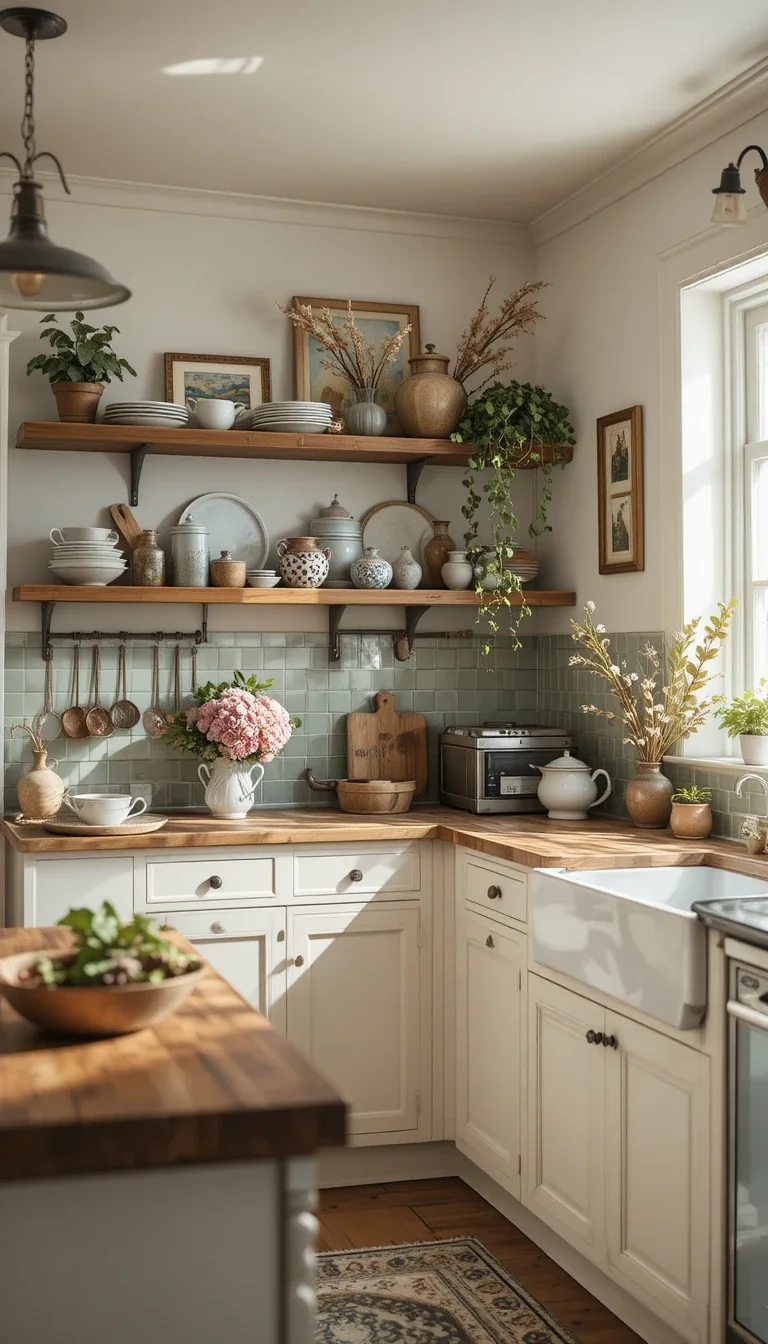
Whether you’re obsessing over a moody vintage home aesthetic or hunting for the perfect vintage bedroom inspo that feels curated rather than costume-y, this guide has you covered. These 13 styles span decades, continents, and design philosophies but they share one thing. They all make a home feel like it has a soul.
That’s what vintage home decor does that no flat-pack furniture ever will. It carries history. It carries character. And when you get it right, it carries a room completely.
What Makes a Home Truly “Vintage” in 2026
Before we dive in, let’s clear something up. Vintage doesn’t mean old. It doesn’t mean dusty, cluttered, or stuck in another decade. The best vintage aesthetic homes in 2026 feel deliberately timeless. They pull the best from the past and make it feel completely fresh today.
Vintage and antique-inspired interiors have surged in popularity over the past couple of years. Homeowners are pushing back against the cold minimalism of the last decade and reaching for something warmer, more personal, and more real.
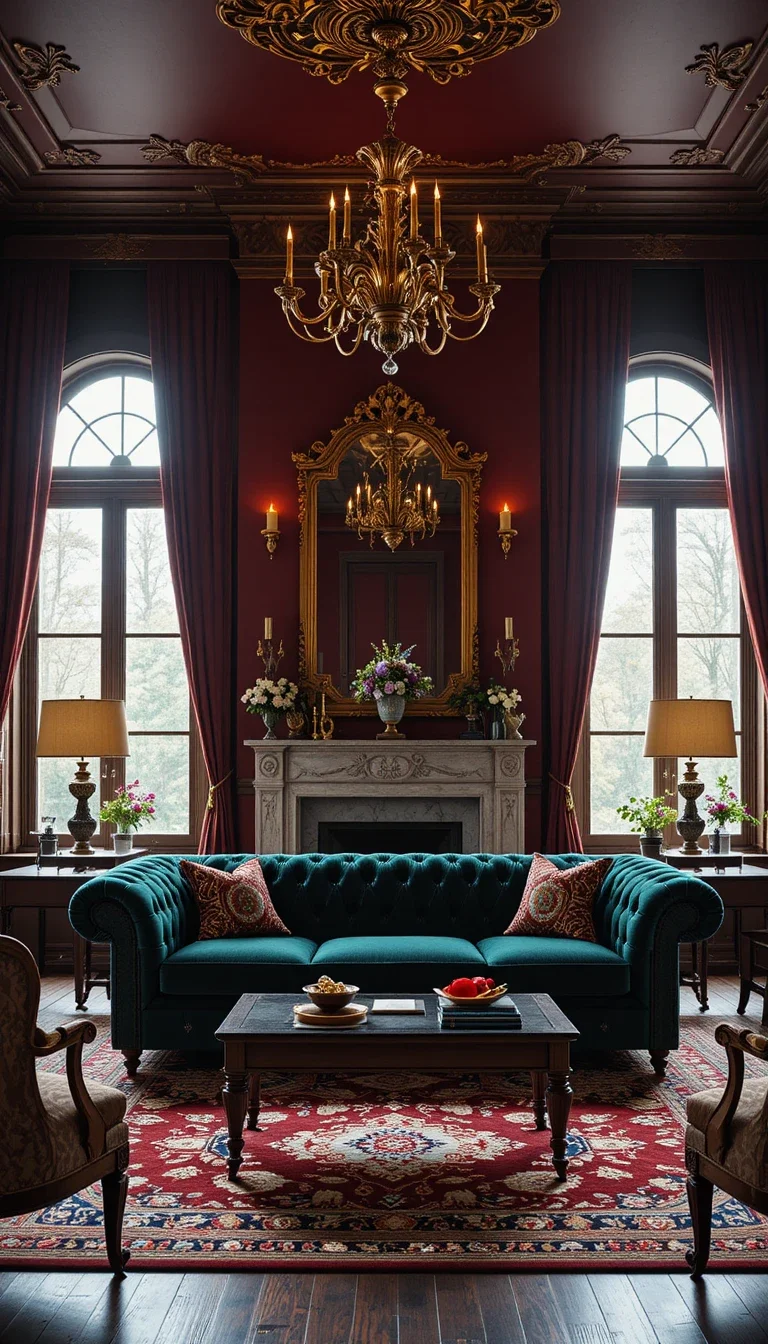
Victorian Opulence
Of all the vintage home styles, Victorian is the most unapologetically dramatic. Deep jewel tones, burgundy, forest green, sapphire, cover walls and upholstery. Ornate gilded mirrors hang above marble mantlepieces. Heavy velvet drapes pool on dark hardwood floors. It’s maximalism before maximalism had a name. And done well, it’s absolutely breathtaking.
The key to pulling off Victorian style in 2026 is restraint within excess. Choose one or two hero pieces, a tufted Chesterfield sofa, an ornate chandelier, a carved wooden mantle, and let everything else support them rather than compete.
Signature pieces to look for:
- Tufted Chesterfield sofas in velvet or leather
- Ornate gilded or carved wood mirrors
- Persian or Oriental area rugs in deep jewel tones
- Marble-topped side tables and commodes
- Heavy brass candlesticks and candelabras
Art Deco Glamour
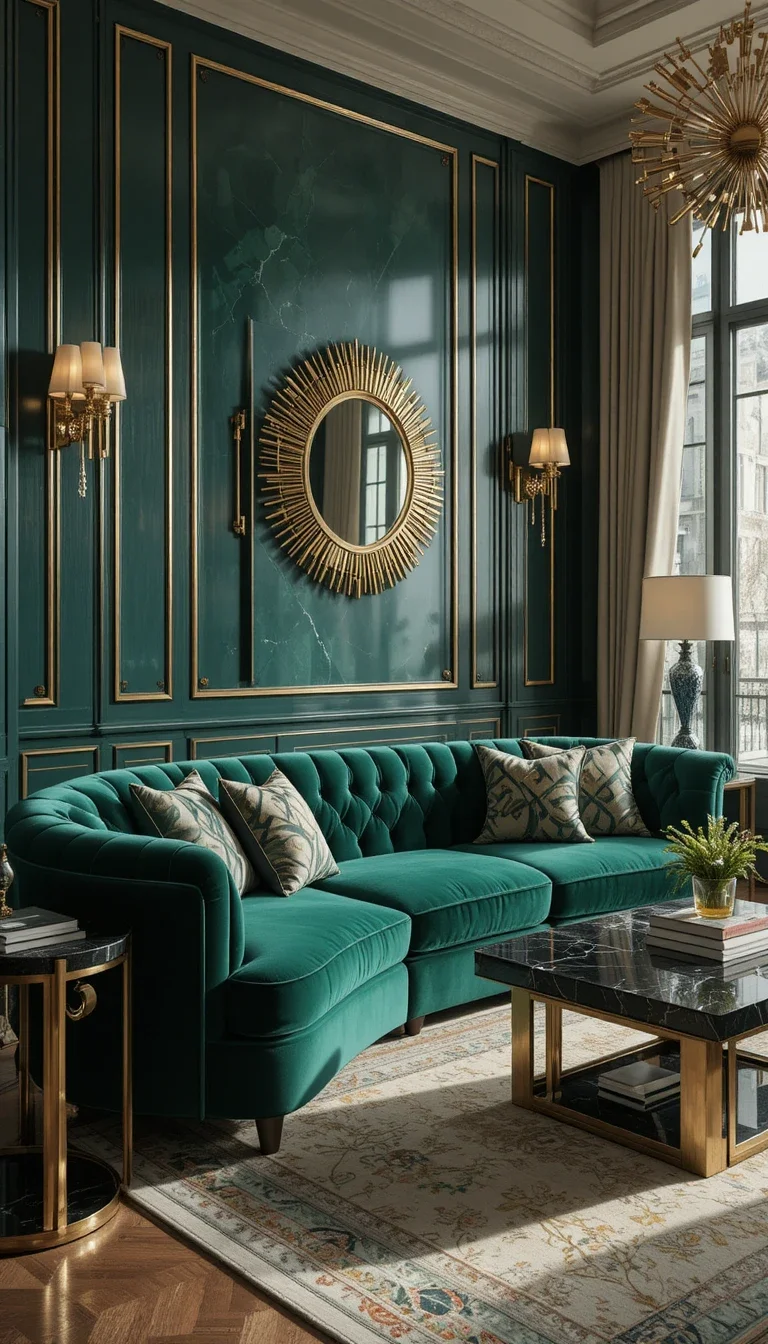
Art Deco vintage home decor is built on geometry, contrast, and unapologetic glamour. Black and gold. Emerald and chrome. Mirrored surfaces catching the light from every angle.
What makes Art Deco work in 2026 is how naturally it pairs with modern architecture. Clean lines, high ceilings, and open-plan living rooms become the perfect backdrop for geometric rugs, lacquered furniture, and bold metallic accents.
The Art Deco formula: Strong geometric pattern + luxurious material + metallic accent = instant era.
Styling tip: A large sunburst mirror above a fireplace or console table is the single fastest way to signal Art Deco in any room. Pair with a velvet sofa in emerald, sapphire, or deep burgundy for the full effect.
Mid-Century Modern
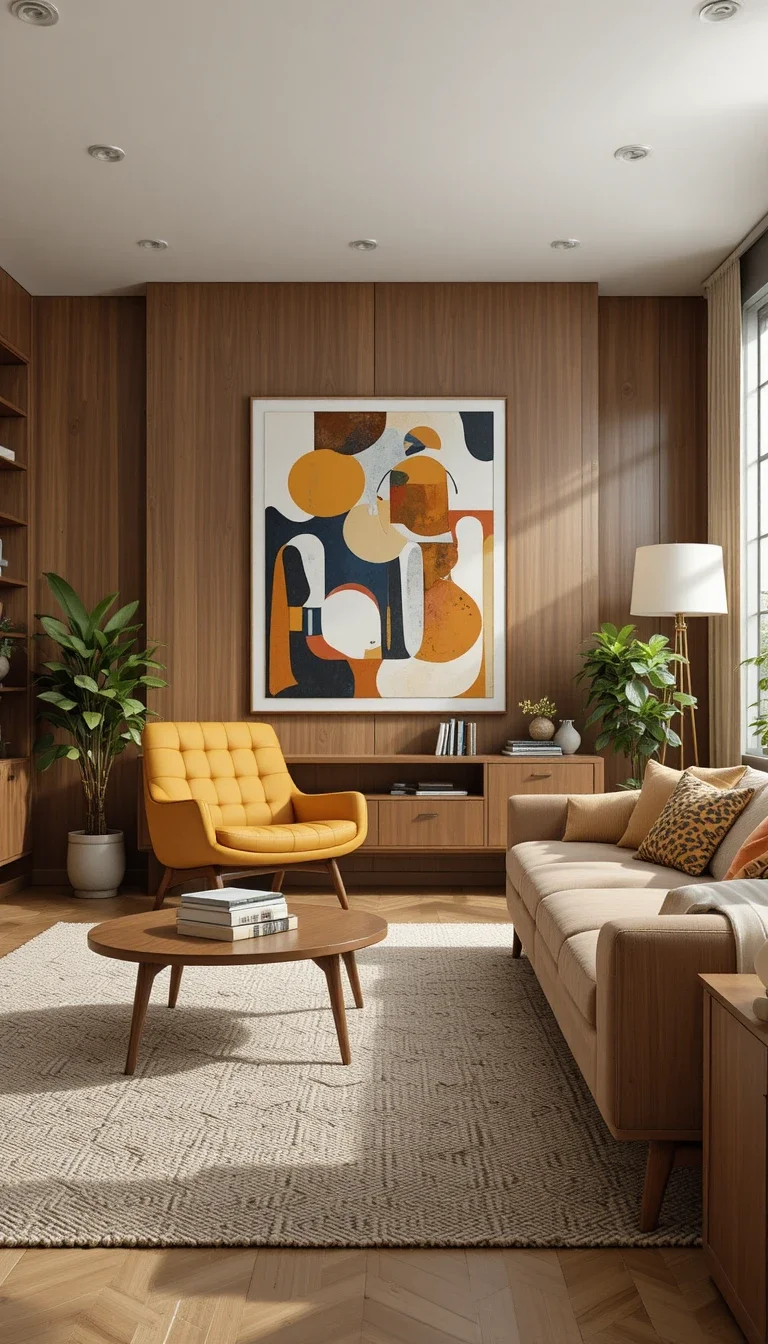
If there’s one vintage home style that has never once gone out of fashion since it emerged in the 1950s, it’s Mid-Century Modern. Clean organic lines. Functional beauty. Warm walnut wood tones against mustard, teal, and burnt orange.
MCM works because it sits at the perfect intersection of vintage and contemporary. Nothing about it feels dated. Everything about it feels considered.
For a vintage home aesthetic that skews MCM in 2026, focus on three things: low-profile furniture with tapered legs, warm wood tones (walnut, teak, rosewood), and a curated mix of geometric and organic shapes.
Non-negotiable MCM pieces:
- Eames lounge chair and ottoman (or a quality reproduction)
- Walnut credenza or sideboard with hairpin or tapered legs
- Sunburst or starburst wall clock
- Tulip or Noguchi coffee table
- Large-scale abstract art in warm, earthy tones
Cottagecore Romance
Cottagecore took Pinterest by storm a few years ago and it has not slowed down. This vintage aesthetic pulls from English and European pastoral living of the 18th and 19th centuries: think thatched cottages, wild gardens, and handmade everything.
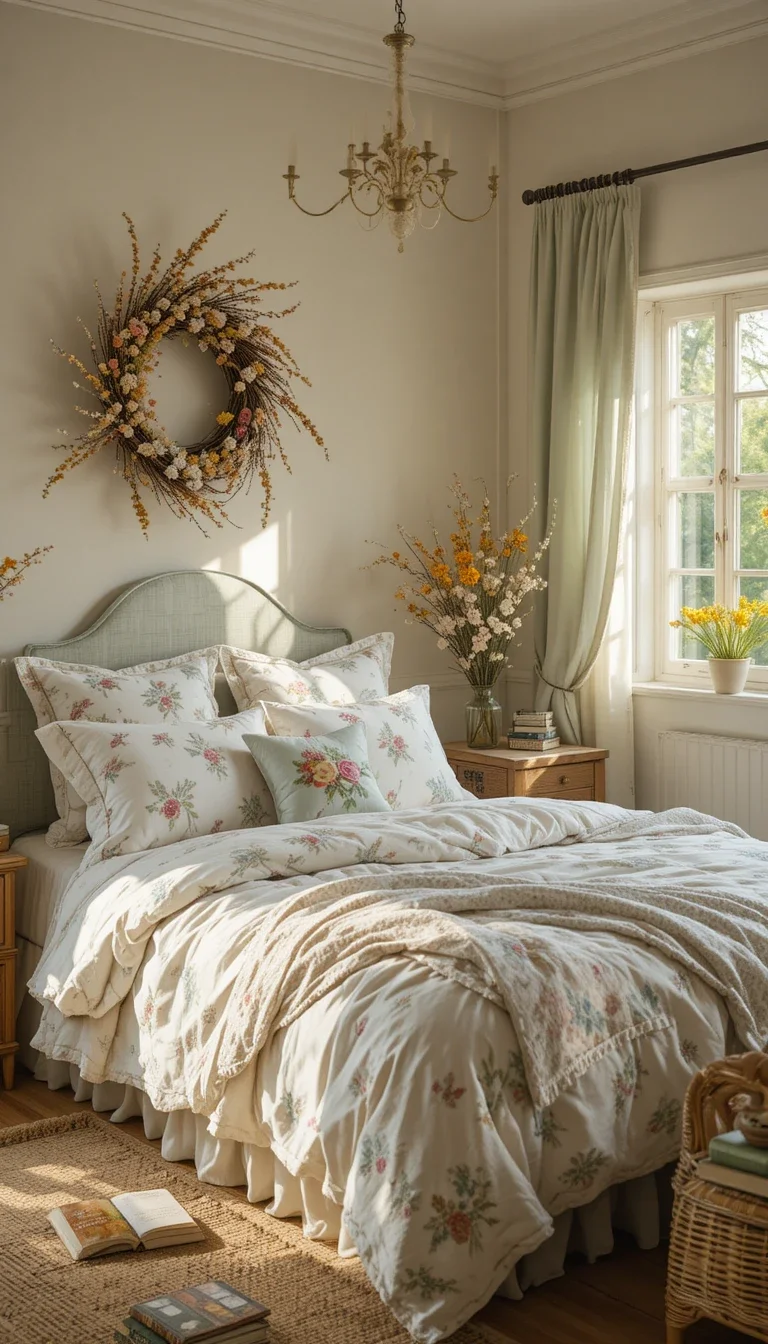
In a vintage bedroom, cottagecore means floral linen bedding in soft sage and cream. Dried flower wreaths above the headboard. White lace curtains filtering afternoon light. Wicker furniture, clay pots, and a stack of well-loved books on the nightstand.
It’s the aesthetic of slow living. Of intention. Of choosing beauty over efficiency. And in 2026, that resonates deeply. The cottagecore color palette: Sage green, dusty rose, cream, terracotta, and soft lavender. Nature’s own palette, nothing jarring, nothing neon.
Layering is everything here. A cottagecore room that works has texture on texture: linen over cotton, wool throw over linen duvet, wicker beside wood beside ceramic. Strip away the layers and you lose the magic entirely.
Hollywood Regency
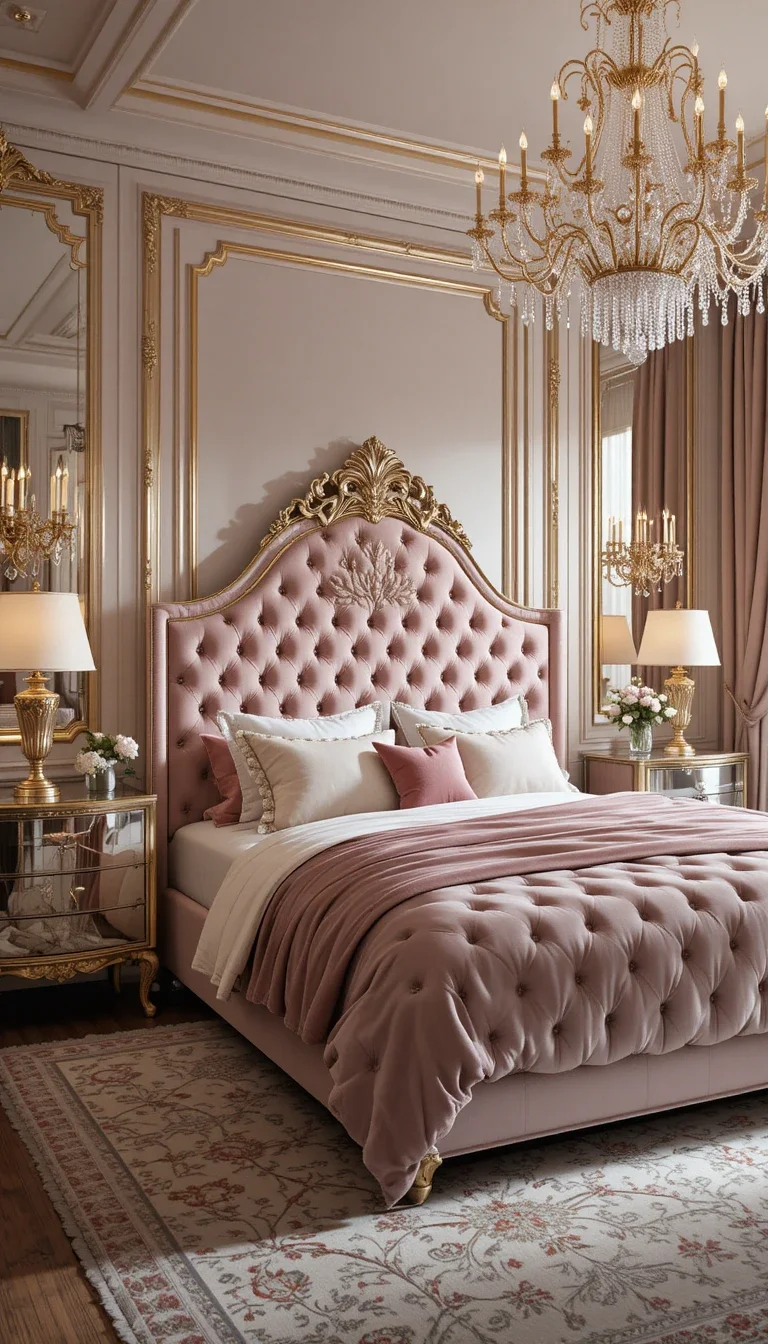
Hollywood Regency vintage home decor channels the maximalist glamour of 1930s and 40s film star homes. Mirrored furniture. Velvet in blush, white, and gold. Crystal chandeliers casting prismatic light across lacquered surfaces. It’s theatrical. It’s intentional. And in 2026, it’s back with serious energy.
The vintage home aesthetic of Hollywood Regency works best in bedrooms and living rooms where drama is welcome. A mirrored vanity table, a tufted blush velvet headboard, and a cascading crystal chandelier together create a bedroom that feels like a film set in the best possible way.
The secret to modern Hollywood Regency: Balance the glam with restraint. One mirrored piece, not five. One crystal light fixture, not three. Let each glamorous element breathe or the whole room tips into parody.
French Country Warmth
Stone farmhouses with terracotta roofs. French Country vintage home style captures all of that warmth and translates it into interiors that feel endlessly welcoming.
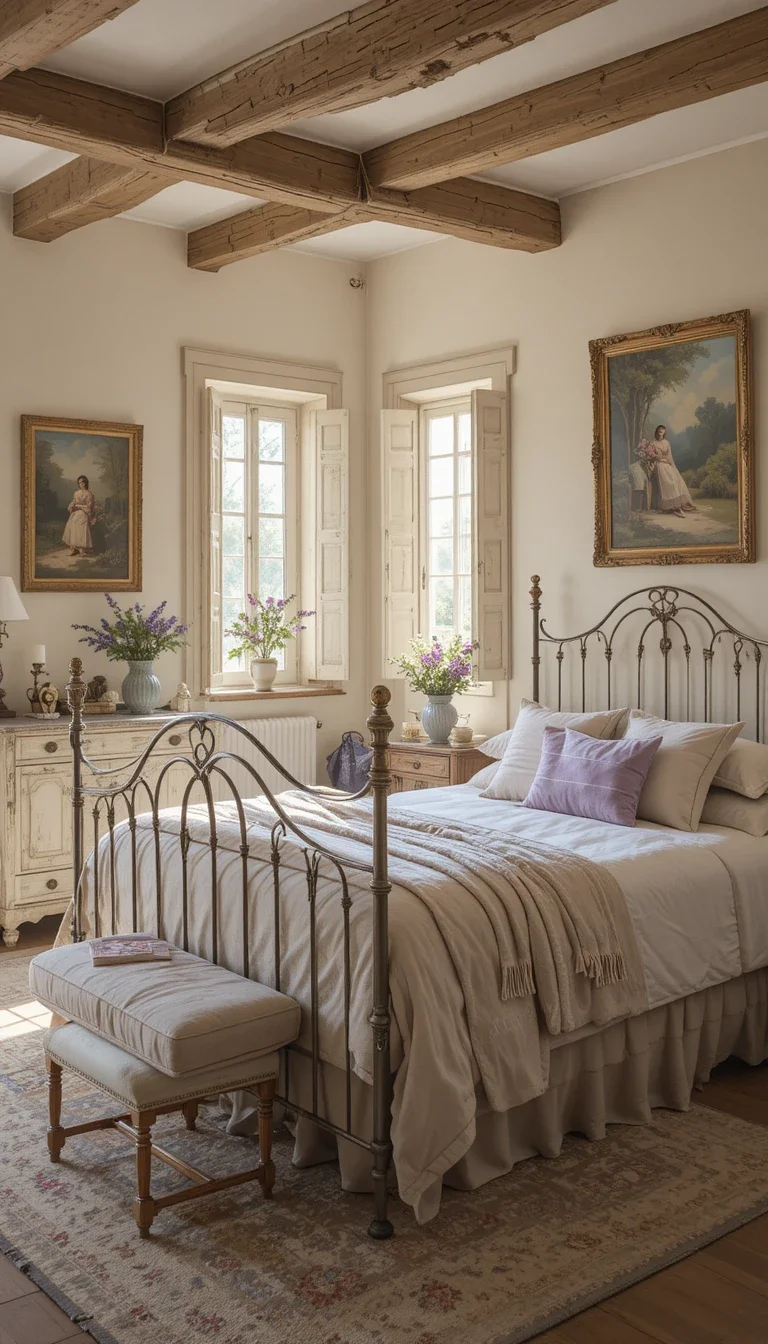
Distressed white and cream painted furniture. Toile de Jouy fabric on upholstery and curtains. Terracotta tile floors. Dried lavender bundles hanging in the kitchen. Vintage oil paintings in gilded frames leaning against stone walls.
It’s a vintage aesthetic that feels simultaneously rustic and refined, and that tension is exactly what makes it so enduringly beautiful.
French Country in a vintage bedroom: Wrought iron bed frame in white or aged cream. Linen bedding in soft white with a lavender or floral duvet. A distressed armoire instead of a built-in wardrobe. Shuttered windows filtering warm light. Simple. Perfect.
Industrial Vintage
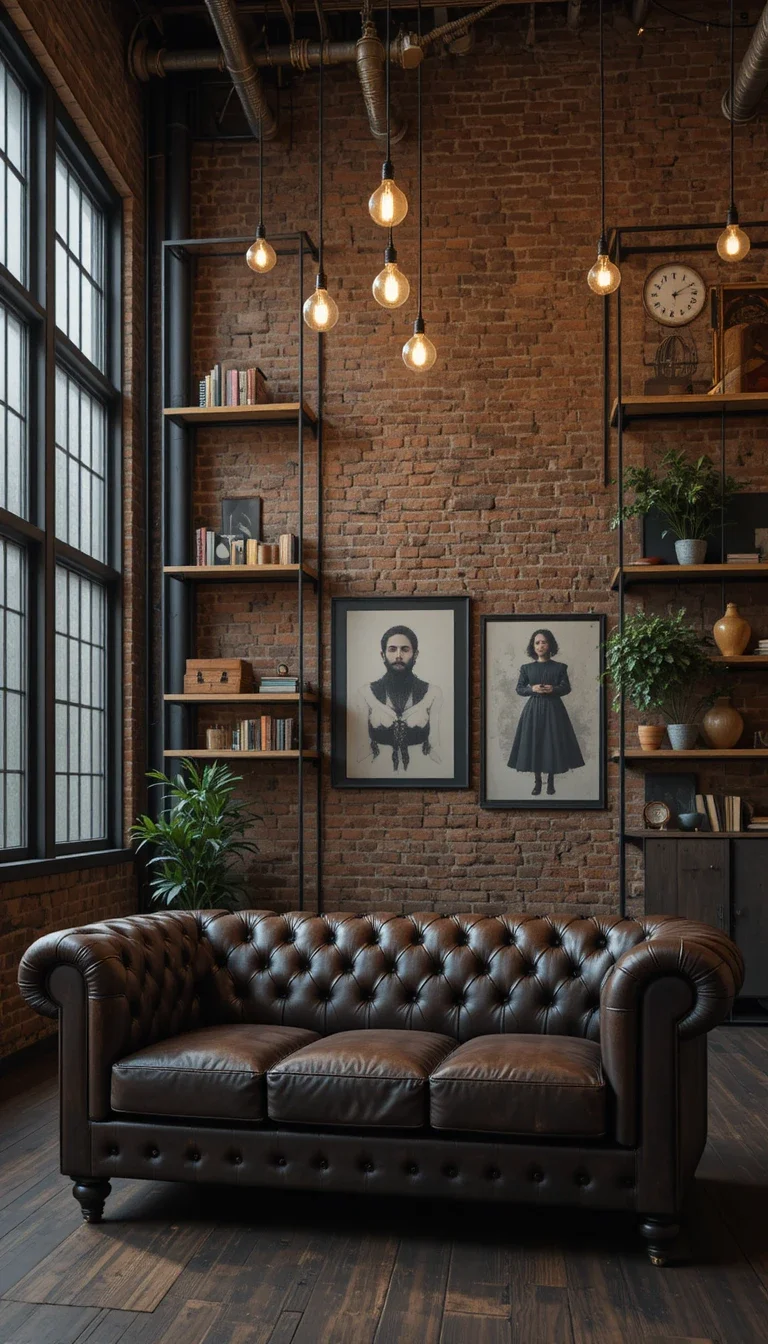
Industrial vintage home style takes its cues from early 20th century factories, warehouses, and workshops. Raw brick. Exposed steel beams. Reclaimed wood. Edison bulb lighting casting a warm amber glow across everything.
It’s the most masculine of the vintage styles on this list, but pairing it with warmer textiles (leather, wool, linen) and organic materials (raw wood, aged copper) pulls it away from cold and toward something genuinely inviting.
In 2026, the freshest take on industrial vintage mixes raw warehouse elements with unexpected softness. A worn leather Chesterfield against an exposed brick wall. A raw steel shelving unit styled with ceramics and trailing plants. The contrast is the whole point.
Essential industrial vintage elements:
- Exposed brick or concrete walls (or wallpaper that mimics them convincingly)
- Edison filament bulbs in cage pendants or factory-style sconces
- Reclaimed wood shelving with black iron brackets
- Vintage factory stools or industrial metal side tables
- Worn leather seating: Chesterfield sofas, club chairs
Grandmillennial Style
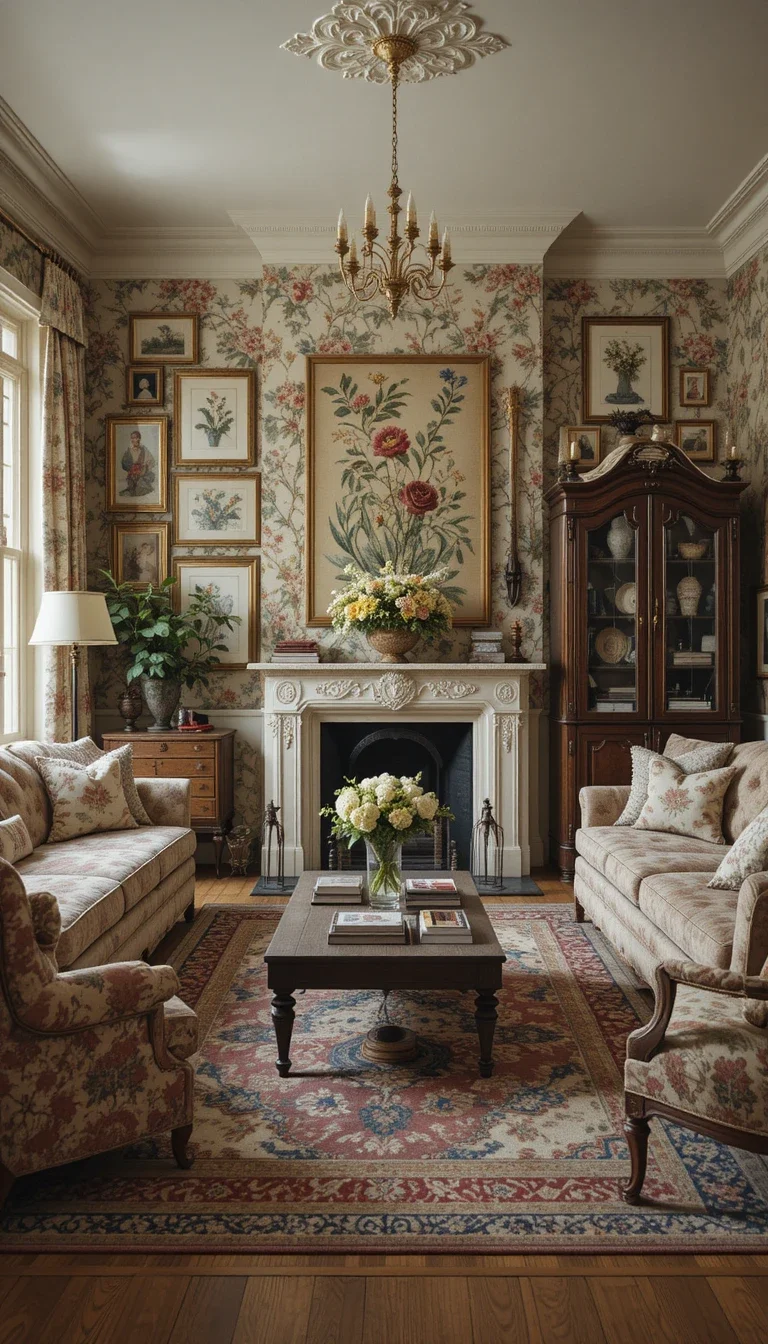
Grandmillennial is the vintage home aesthetic that young people are obsessing over. and it’s glorious. It takes everything your grandmother’s living room had (chintz upholstery, floral wallpaper, ruffled trim, layered patterns, framed botanical prints) and wears it completely unironically.
It’s maximalist in the best way. Layered. Personal. Deeply anti-minimalist. And it photographs beautifully, which is exactly why it dominates Pinterest boards and Instagram saves in 2026.
The key to grandmillennial style is commitment. Half-measures look confused. A single chintz cushion on an otherwise modern sofa just looks mismatched. But commit to the layered patterns, the botanical prints, the ruffled edges and the whole thing becomes cohesive and genuinely stunning.
Grandmillennial signature moves:
- Bold floral or chintz wallpaper (one statement wall or the whole room)
- Ruffled trim on cushions, lampshades, and bed skirts
- Gallery walls of framed botanical or bird prints
- Layered rugs with competing but complementary patterns
- Mismatched china displayed openly on shelves or in glass-fronted cabinets
Japandi Vintage Fusion
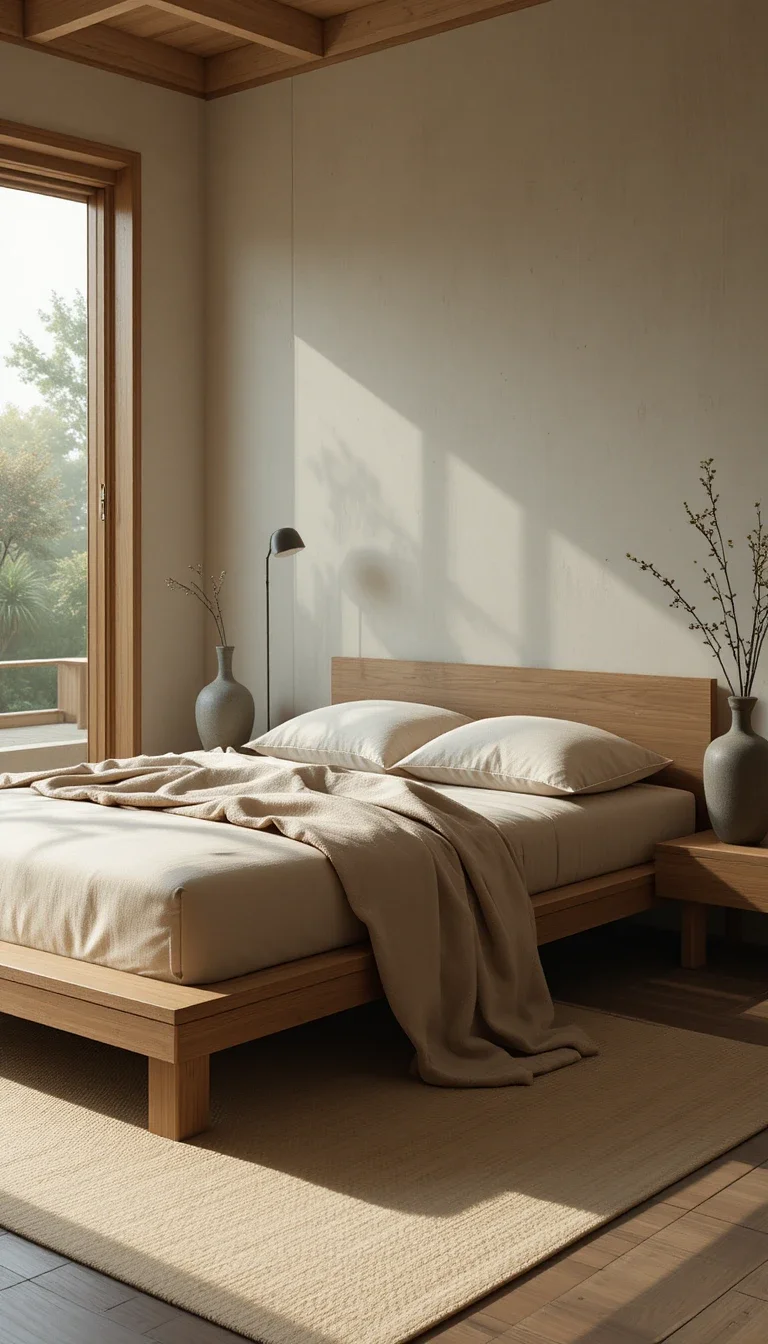
Japandi the fusion of Japanese minimalism and Scandinavian warmth has a deeply vintage soul when you lean into its wabi-sabi principles. Wabi-sabi, the Japanese philosophy of finding beauty in imperfection and impermanence, is the most thoughtful vintage aesthetic philosophy available.
Aged ceramics with uneven glazes. Furniture that shows wear honestly. Linen that softens and wrinkles rather than being ironed into submission. Natural materials that grey and patina over time rather than being replaced.
In a vintage bedroom, Japandi vintage looks like a low platform bed in aged oak, linen bedding in undyed natural tones, a single wabi-sabi ceramic vase with a dried branch, and nothing else. The restraint is the statement.
The wabi-sabi vintage shopping approach: Seek imperfection deliberately. A ceramic bowl with an uneven rim. A linen throw with visible natural texture. A wooden tray with a small crack that has been repaired with gold (kintsugi). These “flaws” are features they carry time and that is exactly what vintage means.
70s Retro Revival
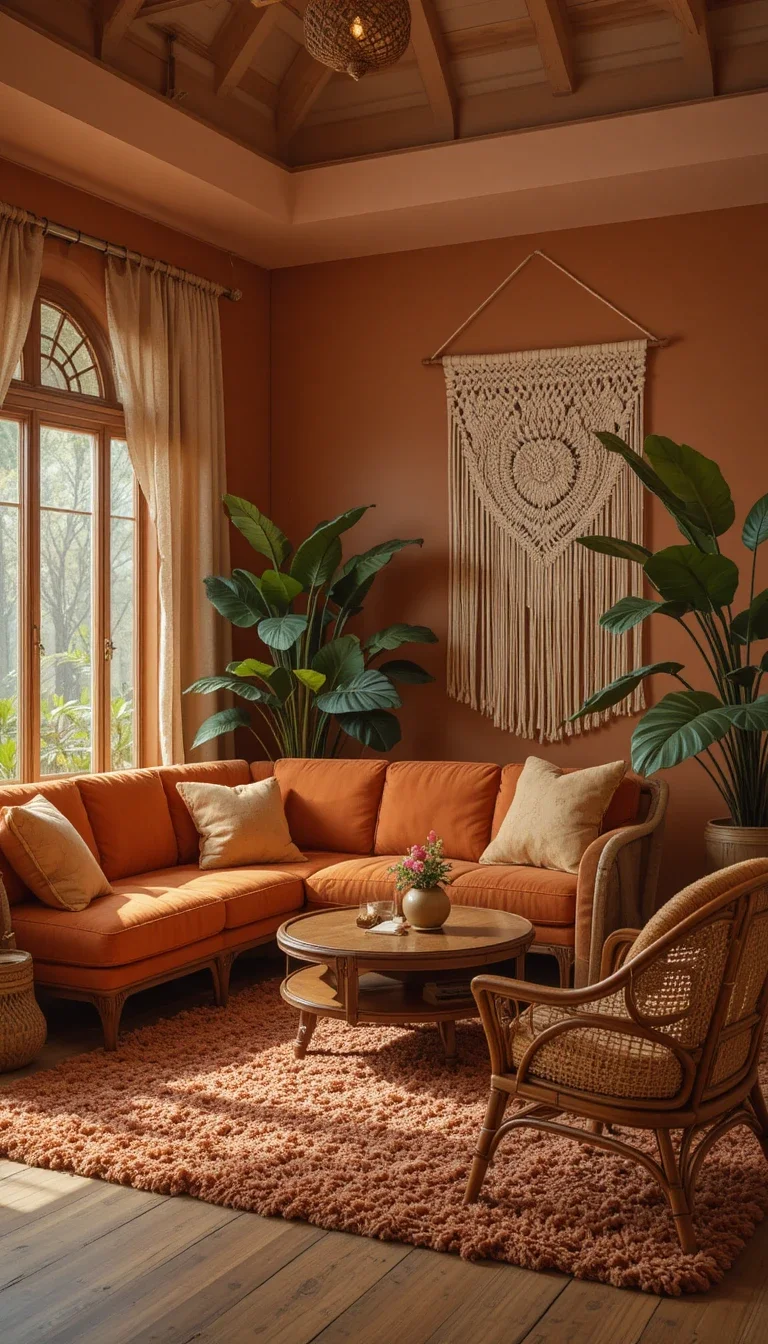
The 1970s are having a full cultural moment in 2026 in fashion, in music, and absolutely in vintage home styles. Burnt orange. Avocado green. Warm terracotta. Curved furniture with plush upholstery. Macrame. Rattan. Shag rugs. Enormous tropical houseplants.
It sounds like a lot. And it is but it works because every element shares a warmth of tone that ties the whole room together.
The 70s retro vintage home aesthetic is also one of the most budget-friendly on this list. Thrift stores and estate sales are flooded with genuine 70s pieces. A $15 macrame wall hanging, a $40 rattan chair, a burnt orange throw pillow suddenly you have a room that looks like a deliberate design statement.
Key 70s vintage pieces to hunt for:
- Curved or kidney-shaped sofas in velvet (burnt orange, avocado, mustard)
- Macrame wall hangings in natural jute
- Rattan or wicker armchairs and side tables
- Shag or high-pile area rugs
- Lava lamps, ceramic mushroom lamps, globe pendant lights
- Large tropical plants monstera, bird of paradise, rubber plant
Rustic Farmhouse Vintage
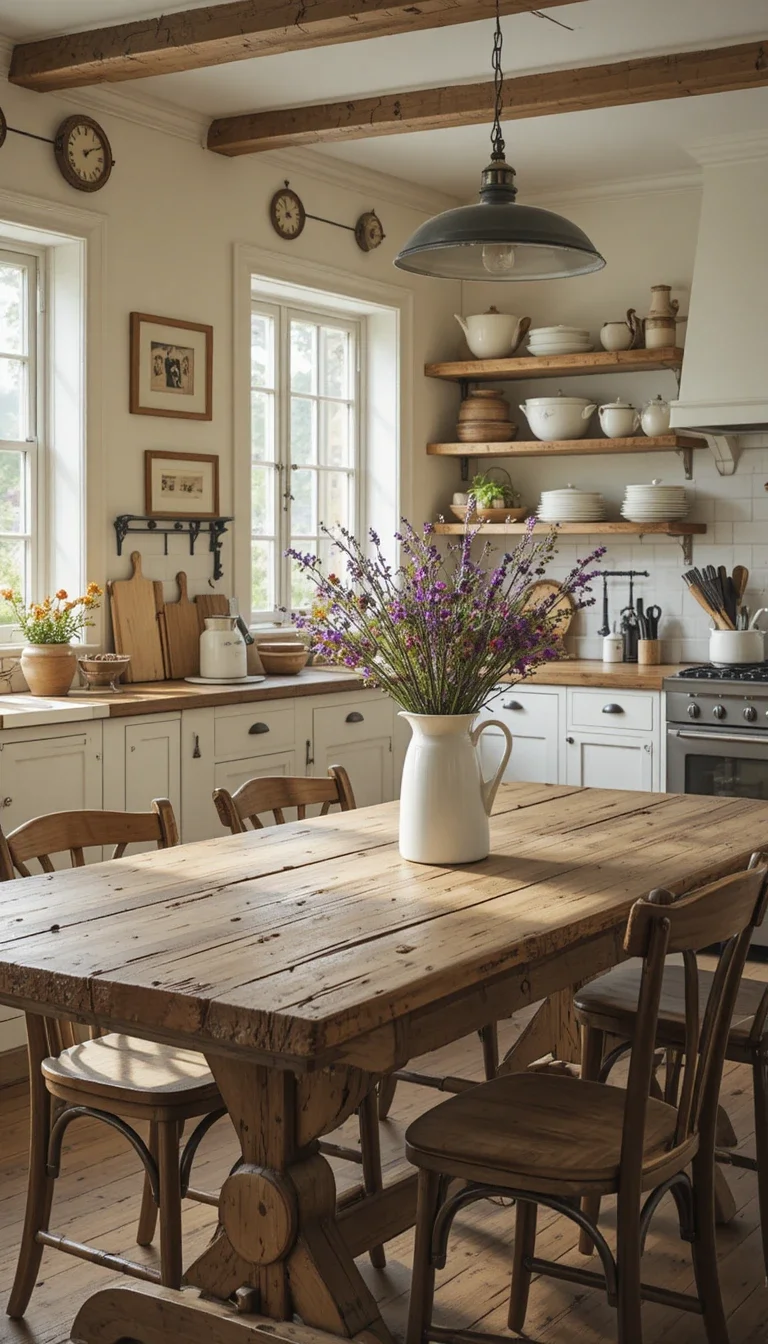
Farmhouse vintage grounds itself in American rural history the practicality and handmade beauty of 19th century homesteads. Shiplap walls. Open wooden shelving. Antique farm tables. Mason jars repurposed as vases. Vintage enamel cookware displayed as decor.
It’s vintage home decor that celebrates function as much as beauty and that’s deeply appealing in a world drowning in purely decorative objects.
The farmhouse vintage aesthetic also translates beautifully into every room. A vintage bedroom in farmhouse style means an iron bed frame, a quilt passed down through generations (or one that looks like it was), white linen bedding, and a reclaimed wood nightstand with a vintage pitcher holding wildflowers.
Authentic farmhouse vintage sources: Magnolia Market by Joanna Gaines remains one of the most consistent sources for well-designed farmhouse vintage pieces. For genuine antiques, regional farm auctions and rural antique malls consistently outperform city antique stores on both price and authenticity.
Baroque Maximalism
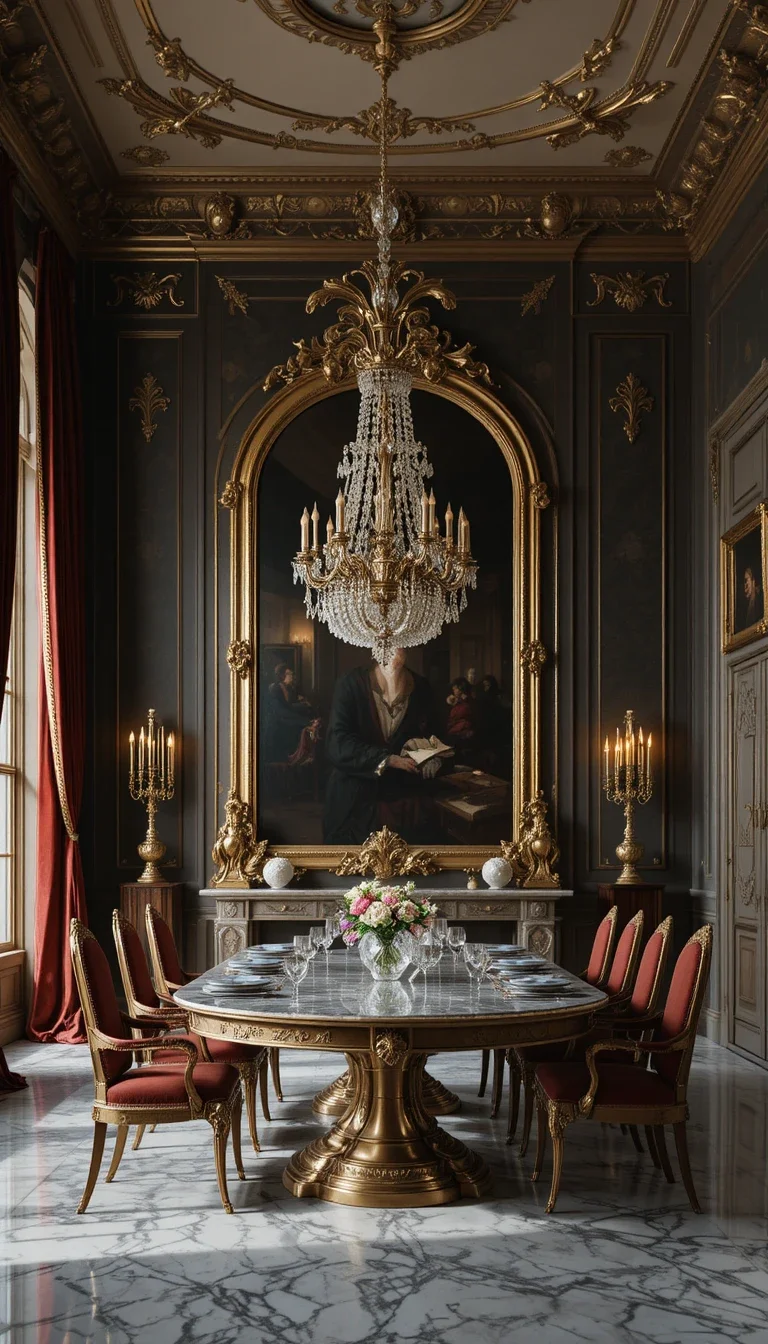
Baroque is Victorian’s more dramatic, more European older sibling. Where Victorian is rich, Baroque is extraordinary. Gilded ceiling moldings. Floor-to-ceiling velvet curtains in deep jewel tones. Oil painting gallery walls framed in heavy gold. Marble everywhere. Candelabras. Tapestries. It’s the most ambitious vintage home style on this list and the most visually stunning when executed with confidence.
In 2026, Baroque maximalism is being embraced by designers who have grown exhausted with minimalism’s emotional coldness. House Beautiful editor-in-chief Sara Moonves noted in a recent interview that “the pendulum has fully swung. Clint’s want rooms that feel emotionally rich, and Baroque delivers that like nothing else.”
The 2026 Baroque approach: You don’t need a palace. One dramatically styled room a dining room with gilded mirror, velvet drapes, and a chandelier makes the statement without overwhelming a whole home.
Eclectic Vintage Mix
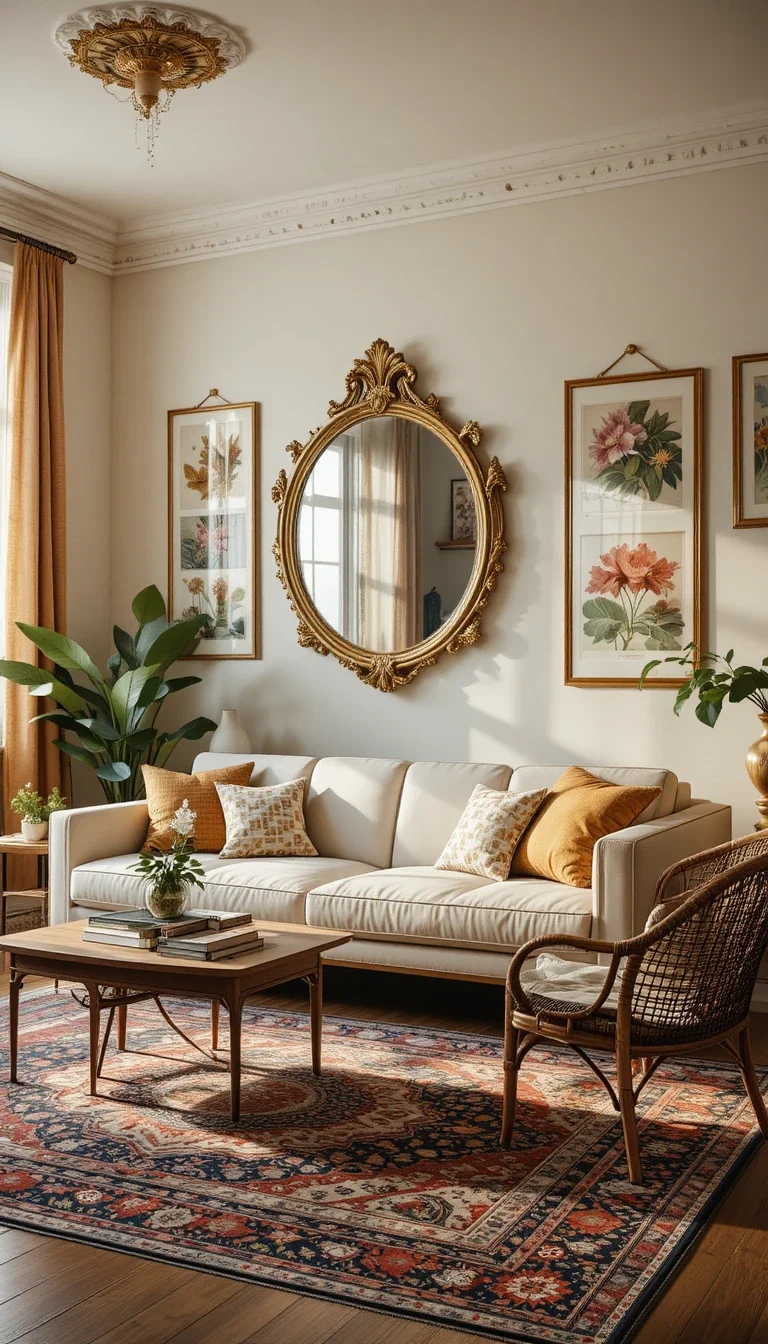
The most personal vintage home aesthetic isn’t any single era. It’s all of them, layered thoughtfully together. Eclectic vintage mixing is genuinely the hardest style to execute and genuinely the most rewarding when it works.
A mid-century sofa beside a Victorian mirror. A 70s macrame above an Art Deco sideboard. A Grand millennial botanical print gallery wall in a room with industrial brick. When it works, it looks like a home that has been thoughtfully collected over decades because the best eclectic vintage homes have been.
How to Build Your Vintage Home Aesthetic in 2026
Choosing a vintage home style is the beginning, not the end. Here’s how experienced designers actually build these rooms from scratch.
Start with one hero piece. Every great vintage room begins with one extraordinary object an antique mirror, a vintage sofa, an inherited piece of furniture. Let that object set the tone, the era, and the color palette. Everything else follows.
Shop in layers over time. The worst vintage rooms are the ones that were assembled in a single weekend shopping trip. The best ones show evidence of time a piece found at an estate sale three years ago beside something discovered at a flea market last month. Patience is a design tool.
Mix price points deliberately. A genuine Victorian chandelier above a reproduction Chesterfield from a high-street retailer. An authentic 70s rattan chair beside cushions made from new fabric in a vintage print. No one can tell and no one should. What matters is the overall composition, not the provenance of each piece.
Let imperfection stay. The scratch on the antique table. The slight unevenness of the hand-thrown ceramic vase. The faded patch on the Persian rug where sunlight has fallen for decades. These are not flaws to hide. They are the evidence of time that gives vintage home decor its irreplaceable character.
FAQs
What is the difference between vintage and antique home decor?
Antique refers specifically to items over 100 years old, while vintage generally describes pieces from 20 to 100 years ago so a 1970s lamp is vintage but not antique, while a Victorian mirror from 1880 qualifies as both vintage and antique depending on context.
How do I incorporate vintage home styles without making my space look dated or cluttered?
Anchor your vintage pieces within a clean, edited overall composition choose two or three signature vintage elements per room, keep the surrounding palette neutral, and resist the urge to fill every surface, since breathing room is what separates a curated vintage aesthetic from a cluttered one.
Which vintage home style works best for a small bedroom or apartment?
Mid-Century Modern and Japandi vintage are the most space-friendly vintage styles because their low-profile furniture and clean lines keep small rooms feeling open save the maximalist Victorian and Baroque approaches for larger spaces where their drama has room to breathe properly.
Final Thoughts
Vintage home styles in 2026 are not about recreating the past. They’re about choosing the best the past has to offer and weaving it into a home that feels completely alive today. Whether your heart belongs to the dramatic opulence of Victorian rooms, the clean optimism of Mid-Century Modern, the pastoral softness of Cottagecore, or the layered personality of Eclectic Vintage mixing the right vintage aesthetic is the one that makes you feel most at home the moment you walk through the door.
That feeling is the whole point of vintage home decor. Not perfection. Not replication. Just a space that carries time, character, and the quiet confidence of knowing exactly who it belongs to.
