
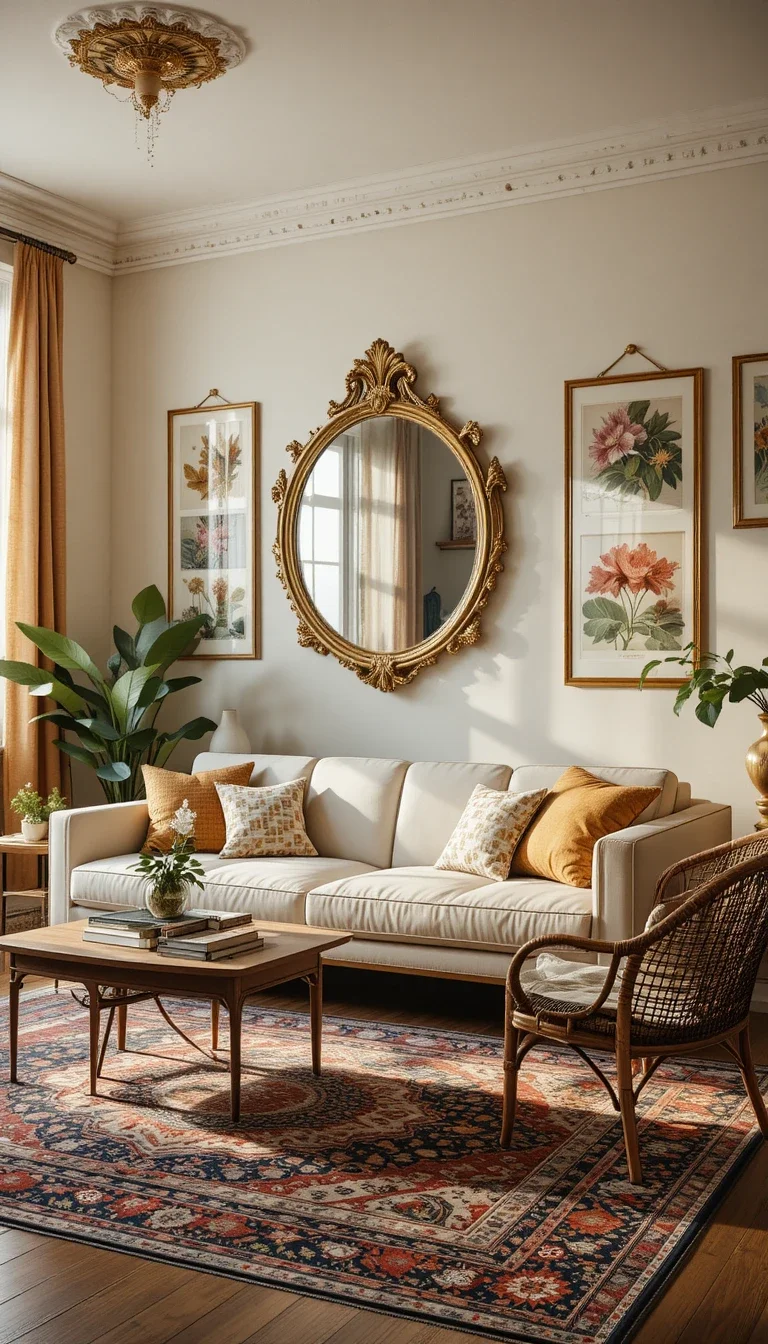
14 Economy Home Decor Ideas for 2026
If you want a home that looks stylish without draining your wallet, economy home decor is the smartest way forward. You don’t need expensive furniture or designer pieces to create a space that feels warm, modern, and personal. What you actually need is a clear plan, a bit of creativity, and the willingness to reuse what you already have.
Start with a real room reset instead of buying anything
Most people make the same mistake. They start shopping before they understand their space. That leads to wasted money and cluttered rooms. Before spending anything, walk through your home and reset each area. Move furniture. Remove unused items. Look at empty corners differently.
For example, shifting a sofa from one wall to another can open up space you didn’t even know existed. I’ve seen rooms feel brand new without a single purchase. This step builds clarity. You stop guessing and start designing with intention.
Simple takeaway
Work with what you already own before adding anything new.
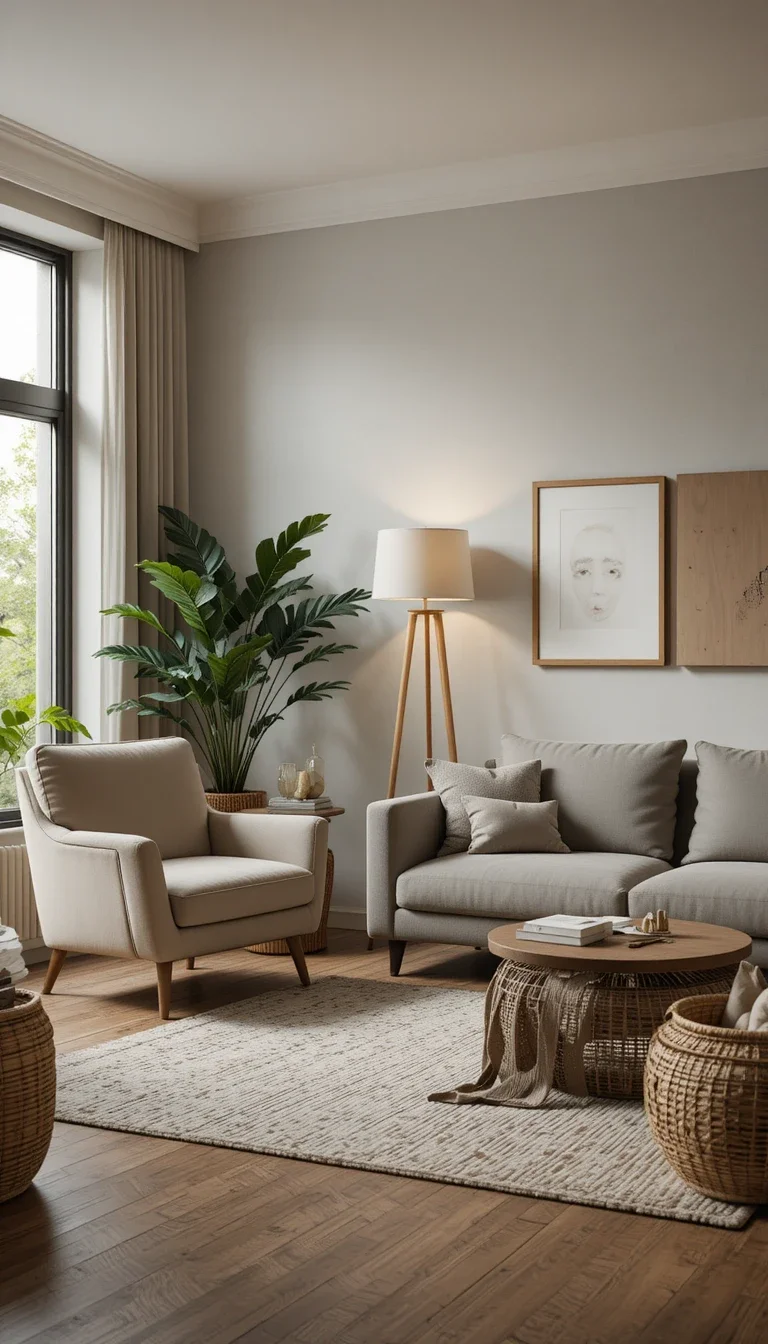
Let lighting do the heavy lifting
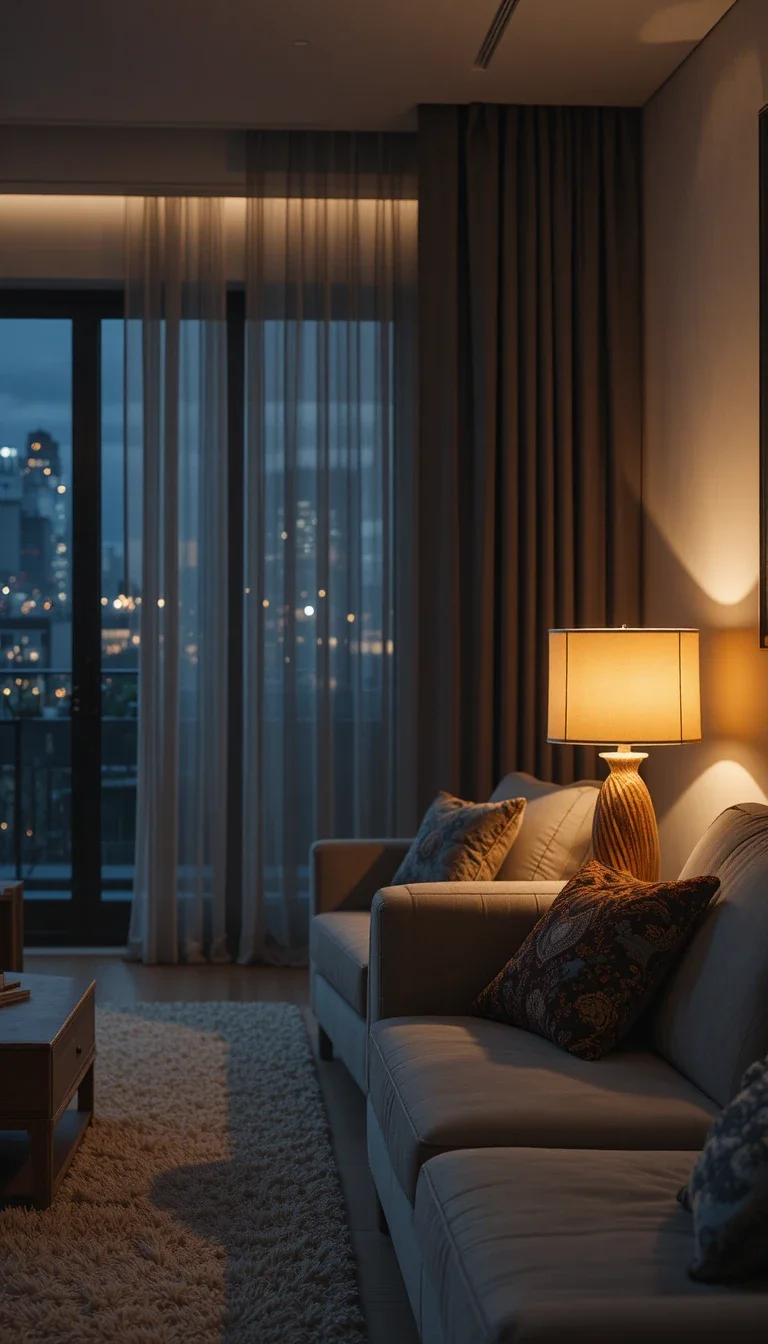
Lighting is the fastest way to change mood without changing structure. Yet most people ignore it and go straight to buying decor pieces. Switching from harsh white bulbs to warm lighting can instantly make a room feel cozy and premium. Add a table lamp in a dull corner and the entire vibe shifts.
Here’s a simple scenario
A plain living room with basic furniture feels flat during the day. At night, one warm lamp and soft LED strip lighting make it feel like a styled apartment. The difference is not money. It is placement and tone.
Tip to avoid confusion
Brightness controls visibility. Warmth controls mood. You need both, but they are not the same thing.
Turn everyday items into wall decor
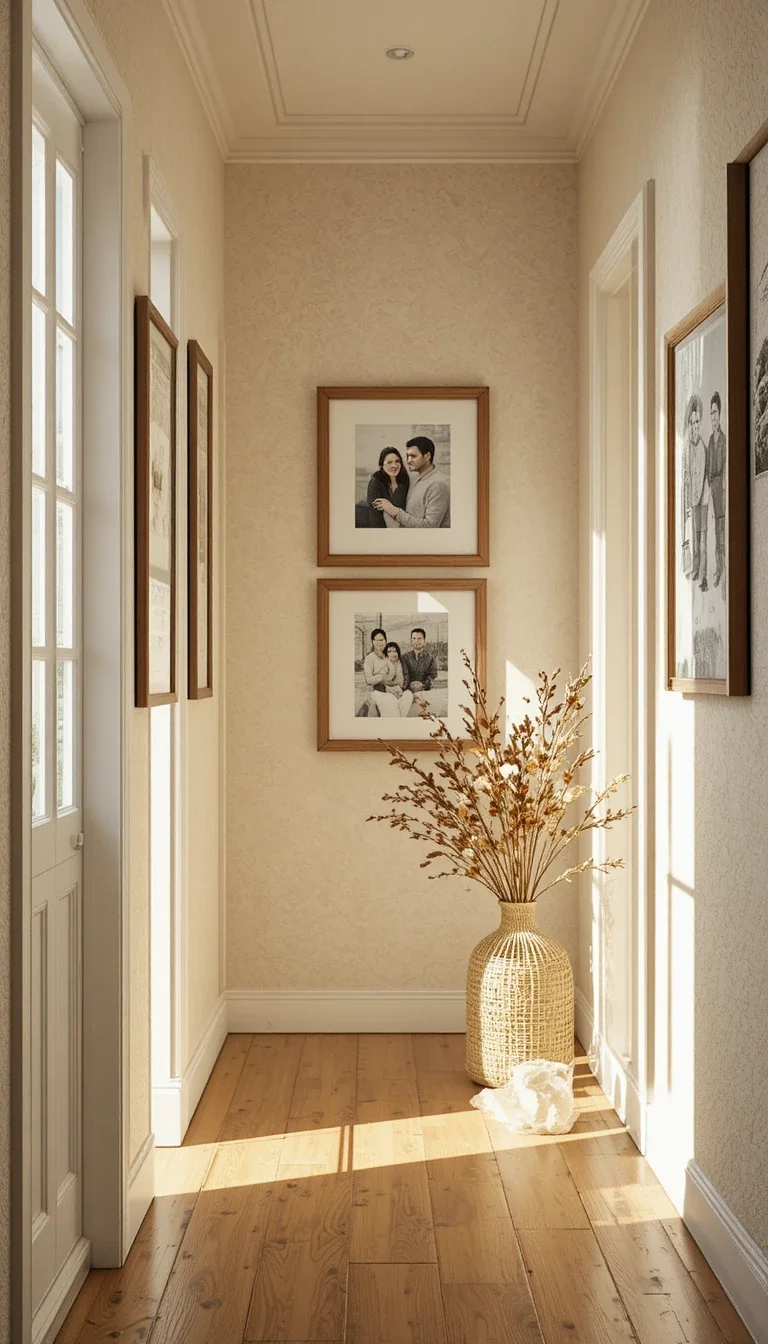
Wall decor does not have to come from expensive stores. In fact, some of the most interesting homes use personal and DIY pieces. You can frame fabric, create abstract art on cardboard, or use printed photography. Even dried leaves in a simple frame can look surprisingly elegant.
For example, a blank hallway can turn into a storytelling space with just printed photos and cheap frames arranged neatly. The key is consistency. When everything follows a theme, even simple items look intentional.
Synonym ideas
Creative wall styling, DIY wall decor, budget art design.
Thrift stores as hidden design goldmines
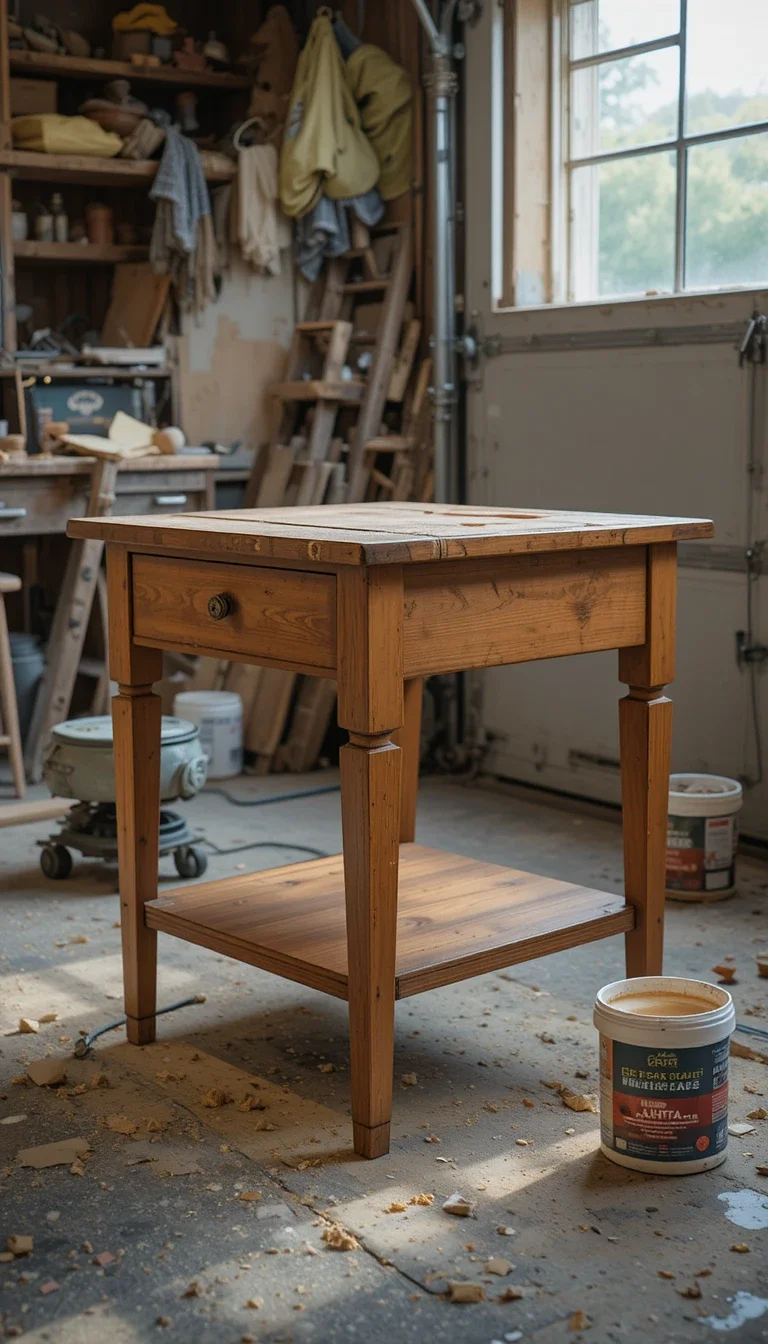
Thrift shopping is not about buying old things. It is about spotting potential. A scratched wooden table is not useless. It is unfinished. A dull lamp is not outdated. It is waiting for a reset. For example, a small thrifted table bought for a low price can look like a designer piece after sanding and repainting. People often fail here because they judge items too quickly. Look at structure first, not appearance.
Mistake to avoid
Don’t confuse worn out look with poor quality. Many strong pieces just need attention.
Repurpose furniture before replacing it
One of the strongest economy home decor ideas is simple. Don’t replace. Transform. Old furniture often has better quality than cheap modern alternatives. You just need to update its look. A wooden stool can become a side table. A crate can become storage. A worn shelf can look modern with paint and new handles.
Example scenario
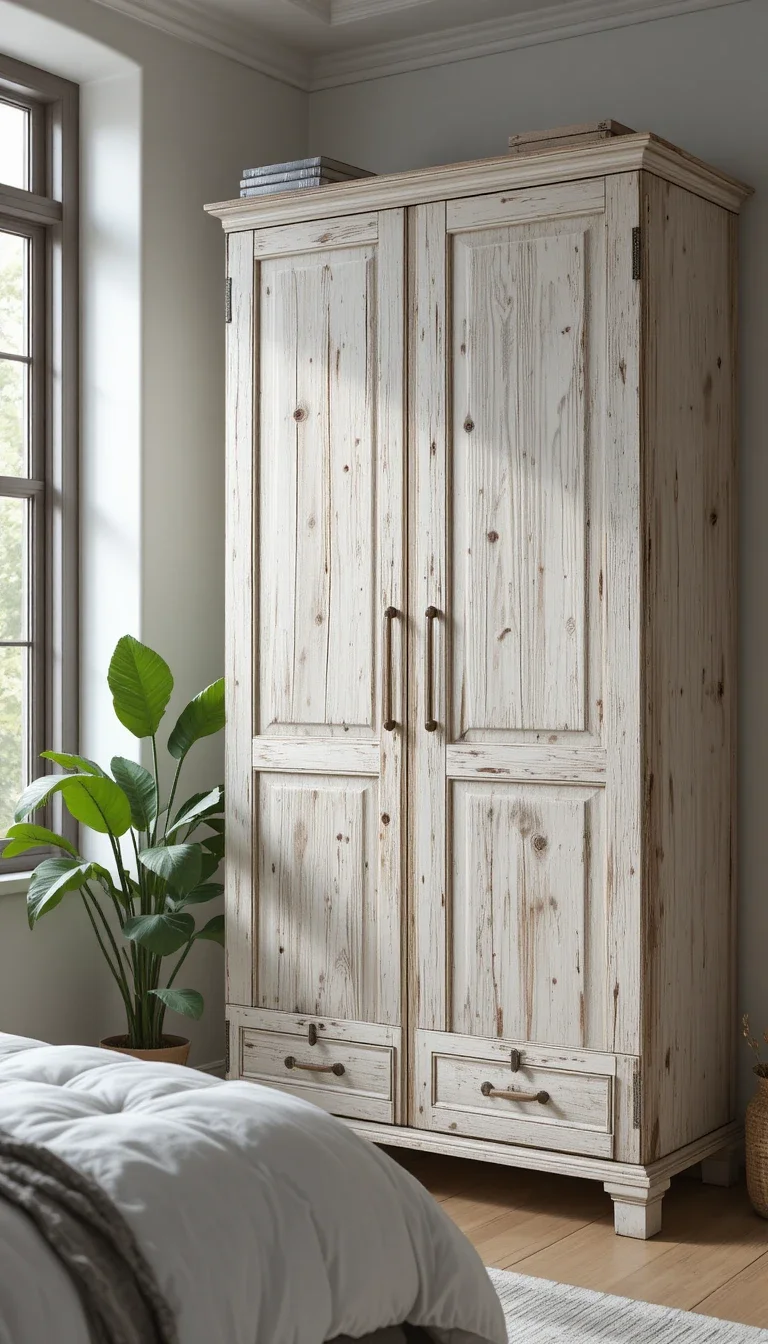
A dark brown cabinet becomes a clean white storage unit that fits a modern bedroom after a simple paint job. This approach saves money and builds personal style at the same time.
Add plants to bring natural balance
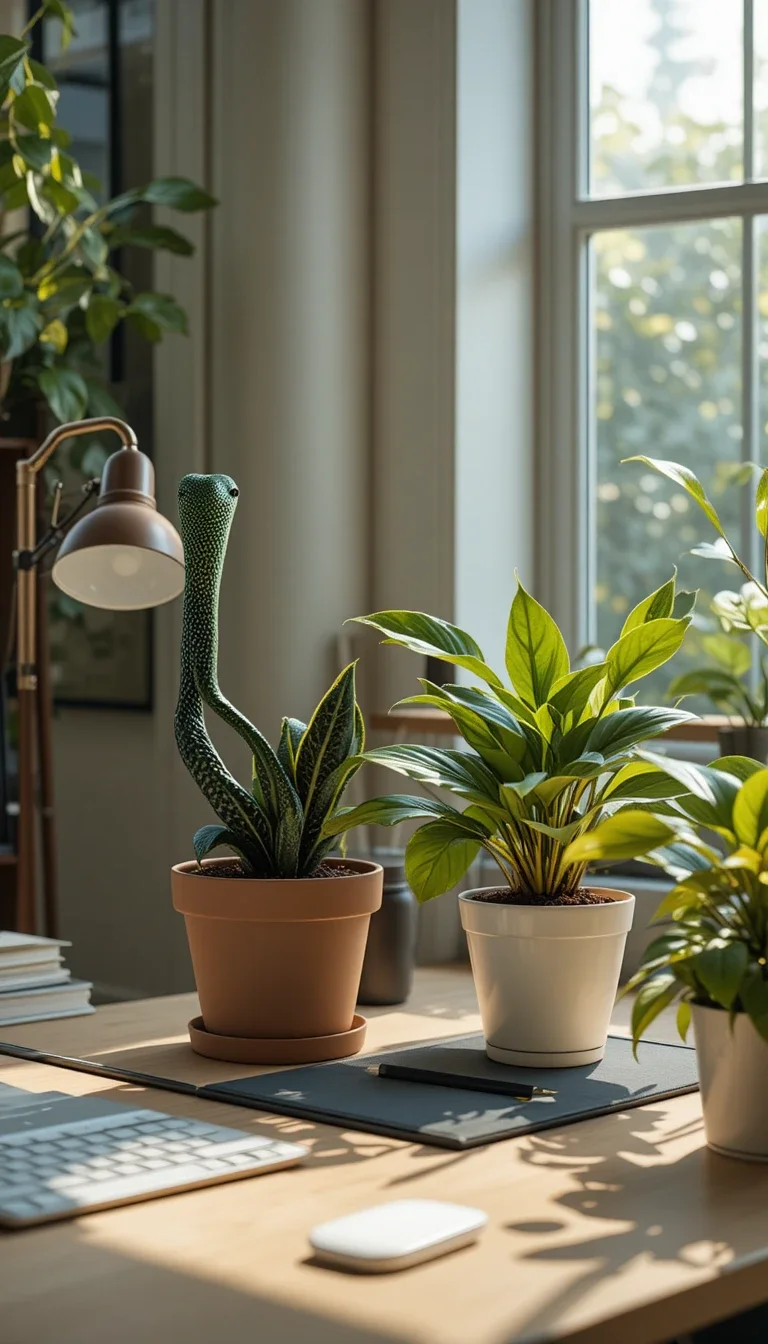
Plants do something expensive decor cannot. They bring life into a space. Even a small plant in a corner changes the energy of a room. It adds color, texture, and freshness without effort. Start simple. Snake plants, pothos, or small indoor greenery work well even for beginners. For example, a dull desk area becomes more inviting when a small plant sits beside a lamp.
Related terms
Indoor greenery, natural decor style, plant based interior design.
Use mirrors to fix small space problems
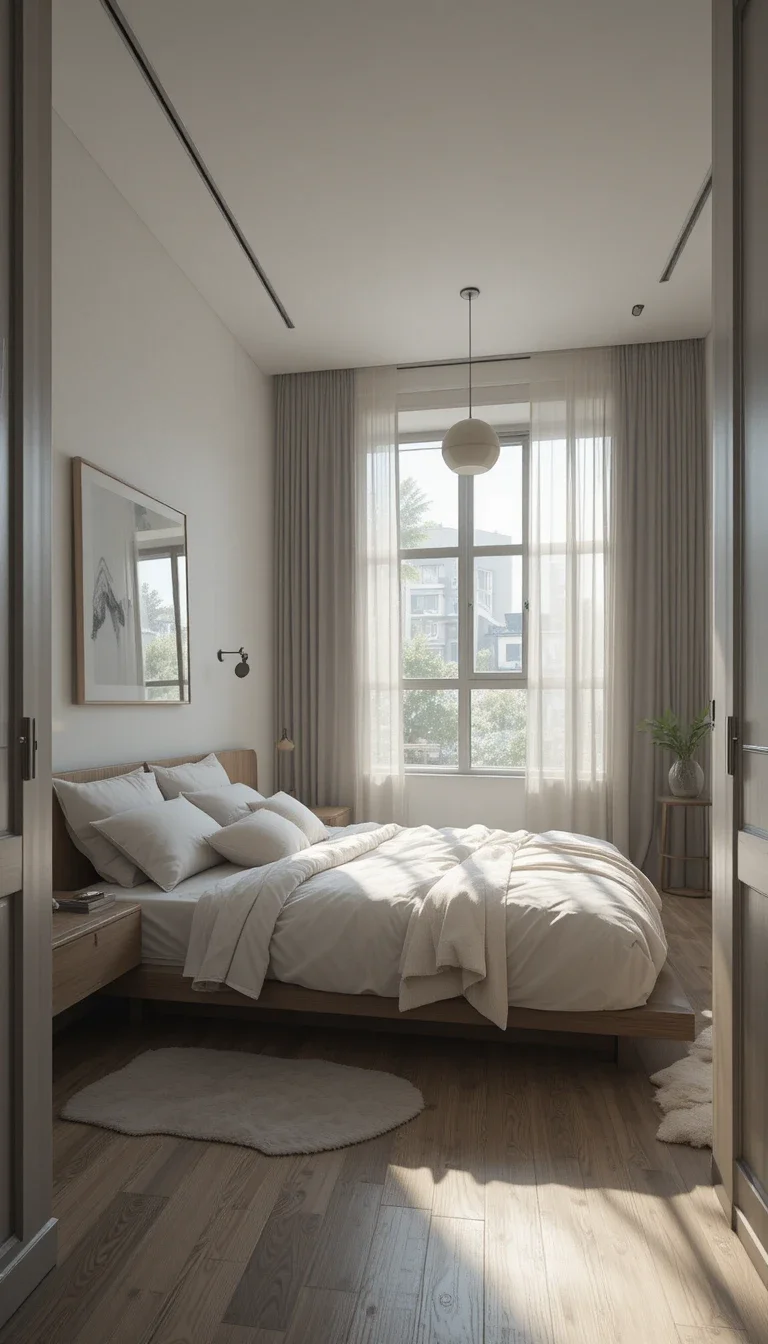
Mirrors are not just decorative pieces. They are visual tools. Placed correctly, they reflect light and create the feeling of a larger room. For example, placing a mirror opposite a window doubles natural brightness and makes a small room feel open. But here’s where people go wrong. They think size matters most. It doesn’t. Placement matters more than anything else.
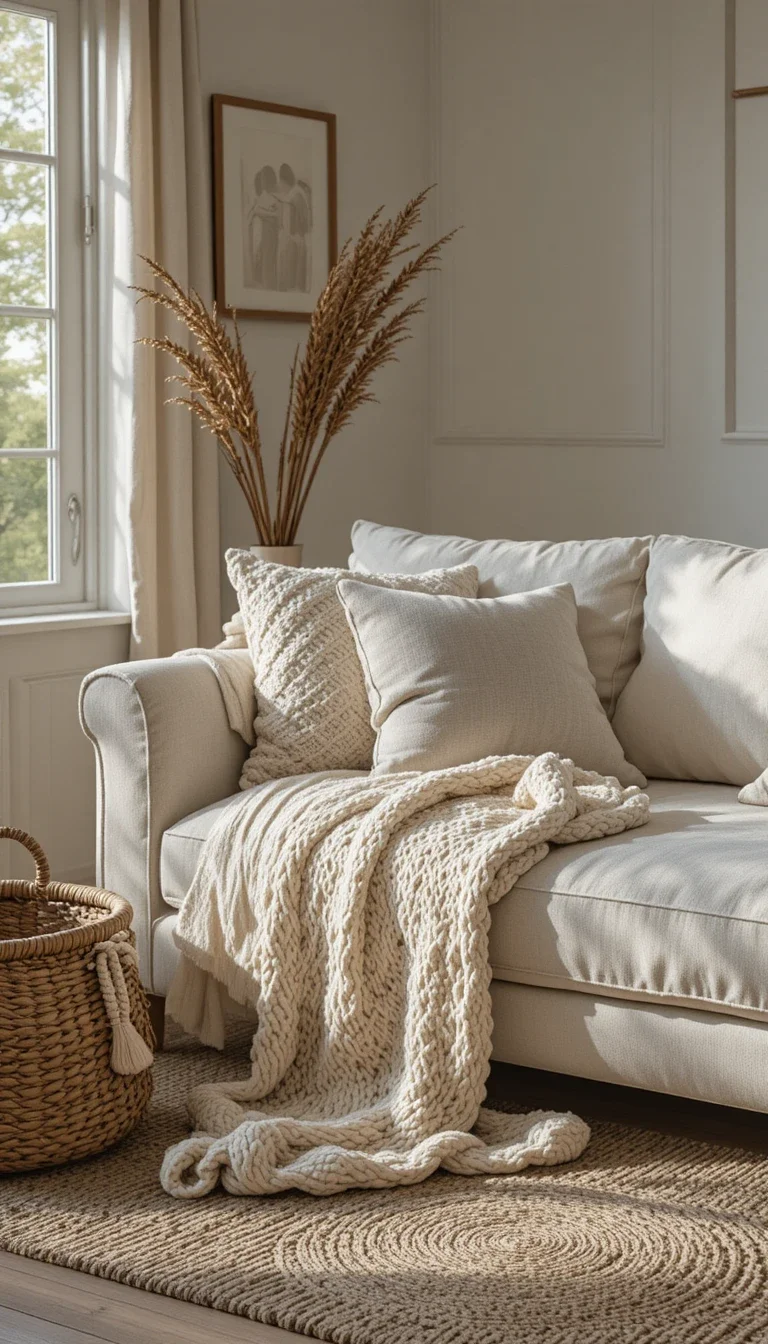
Mix textures to avoid flat looking rooms
A room without texture feels lifeless even if it has good furniture. Mix soft, rough, smooth, and woven materials to create depth. This does not require extra money. It requires attention to detail. For example, a plain sofa becomes visually rich when paired with knitted throws and textured cushions.
Simple rule
If everything looks the same, the room feels unfinished.
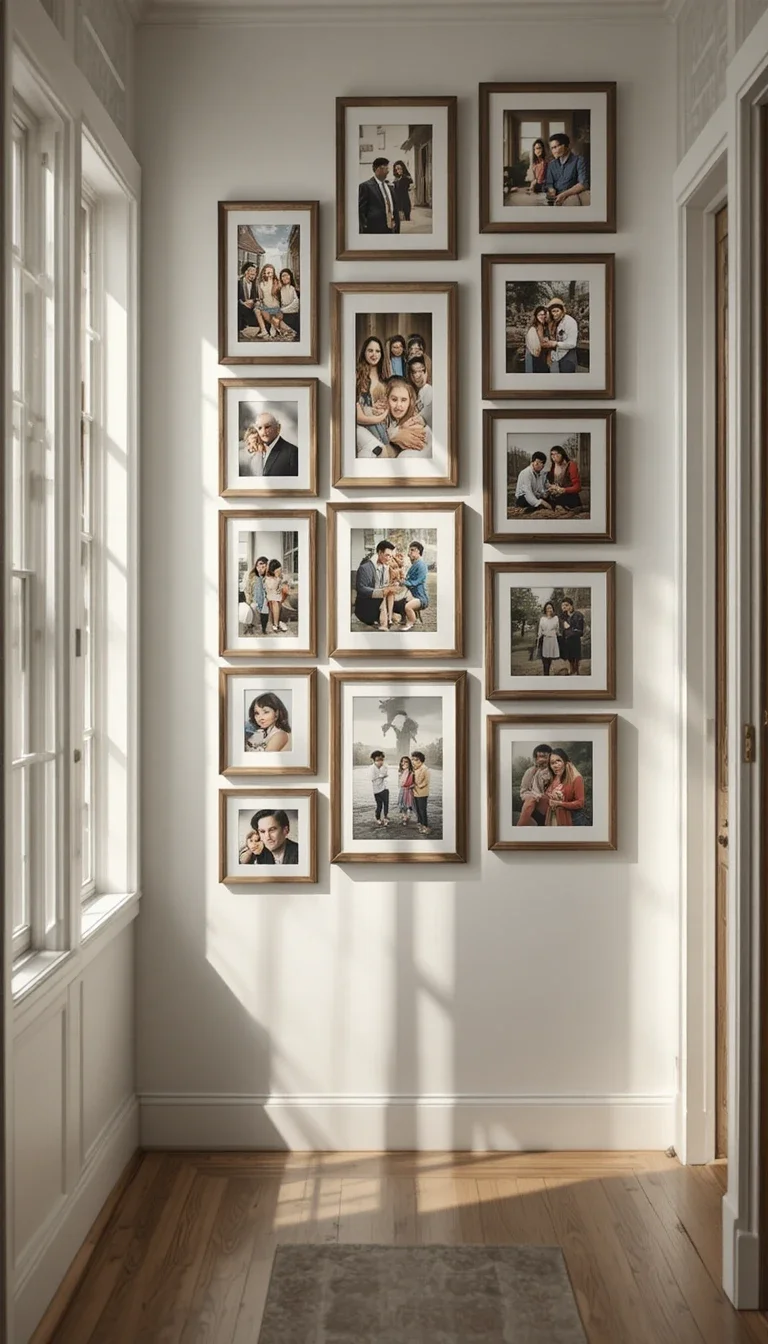
Build a gallery wall with personal meaning
A gallery wall should feel personal, not expensive. Combine photos, simple prints, and small decor pieces. The goal is storytelling, not perfection. For example, a narrow wall in a hallway can become a memory lane with family photos arranged evenly. Avoid random spacing. Uneven gaps make even good pieces look messy.
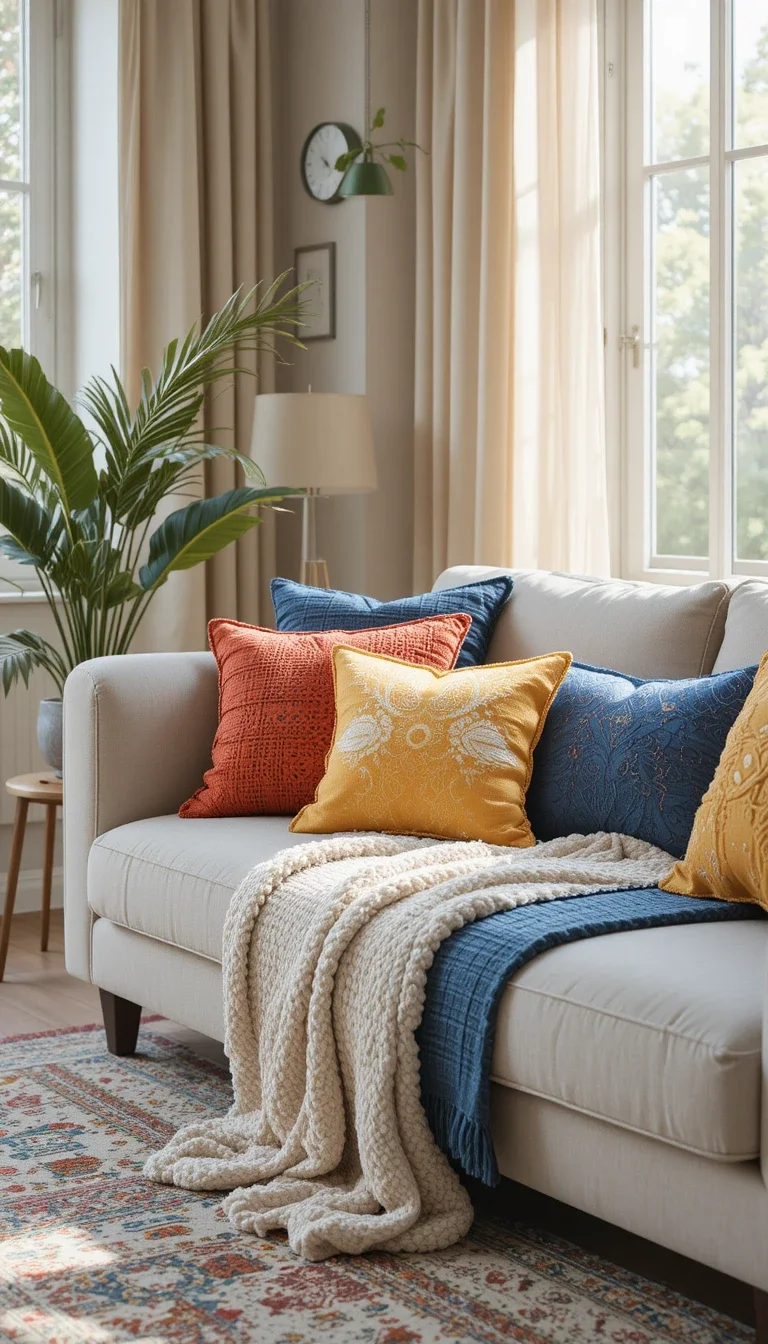
Use textiles to refresh a room instantly
Textiles are one of the cheapest ways to refresh a space. Cushion covers, curtains, and rugs can change the mood of a room without major spending. For example, a neutral sofa looks completely different when paired with bold cushion covers and a soft throw. People often overthink fabric quality. In reality, arrangement and color balance matter more.
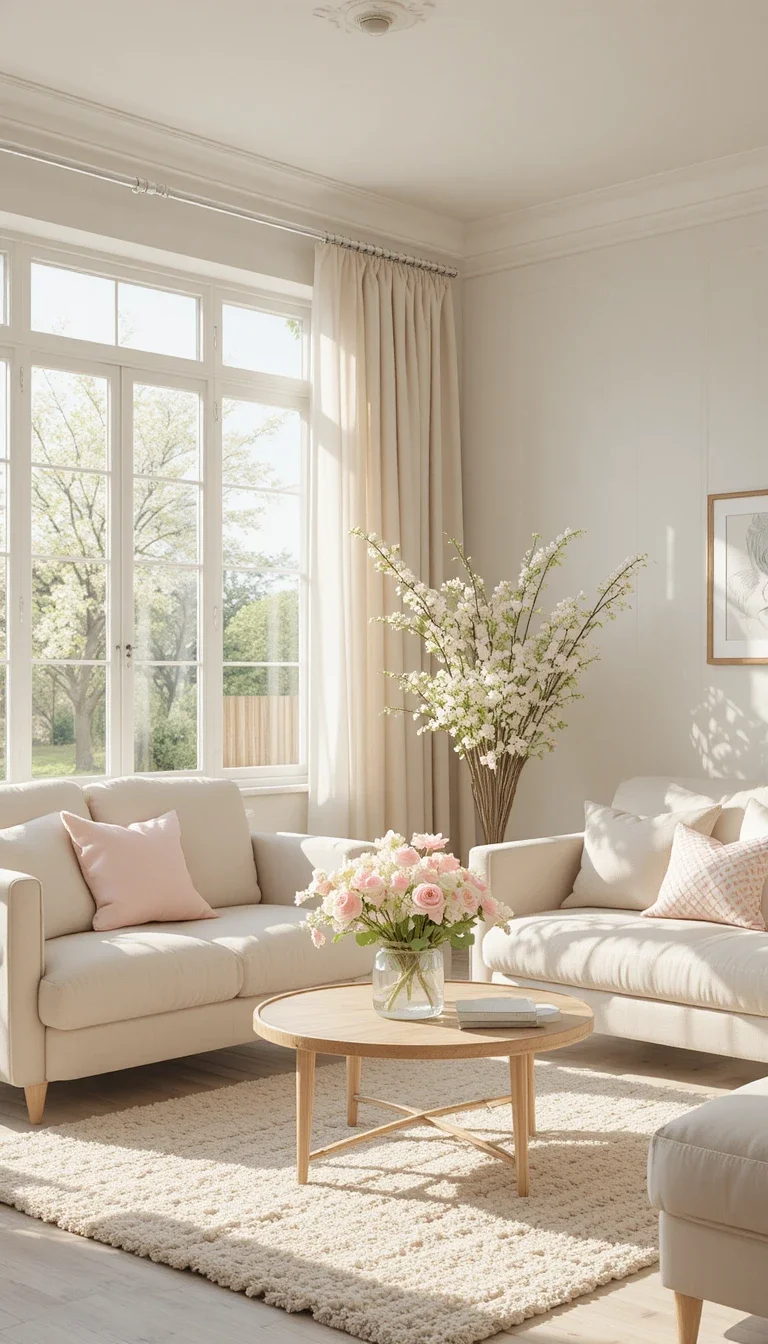
Follow seasonal decor rotation instead of permanent changes
You don’t need to redesign your home every few months. Small seasonal updates are enough. Example idea
Light colors in summer. Warm tones in winter. Fresh accents in spring.
| Season | Simple decor shift |
|---|---|
| Spring | Light fabrics and flowers |
| Summer | Bright minimal setup |
| Autumn | Warm tones and cozy textures |
| Winter | Soft lighting and heavy fabrics |
This keeps your home fresh without overspending.
Choose multifunctional furniture for smarter space use
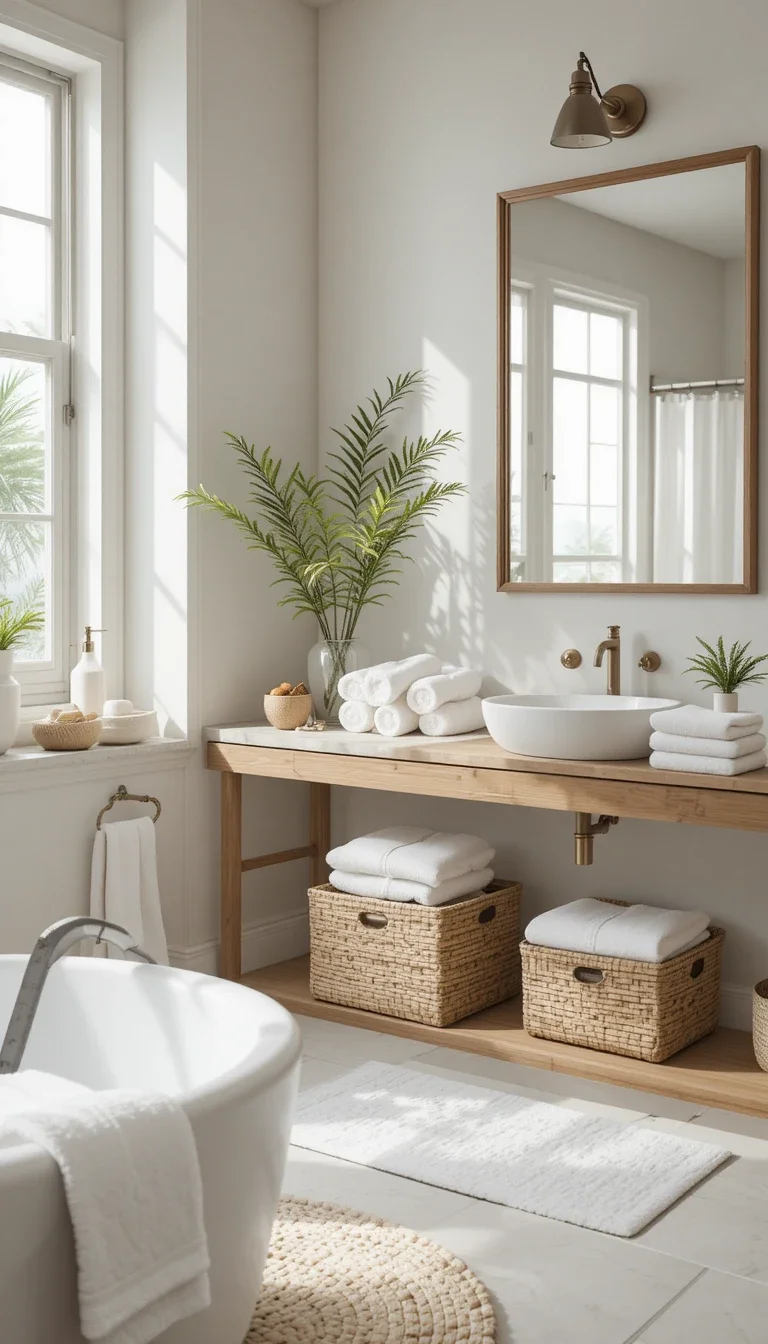
Furniture should solve more than one problem when you are working with a budget.A storage bench gives you seating and storage at the same time. A folding table saves space and adds flexibility.
Example
A small apartment feels organized simply because one piece of furniture replaces two or three separate items.This is where smart design beats expensive design.
Upgrade kitchen details instead of full renovation
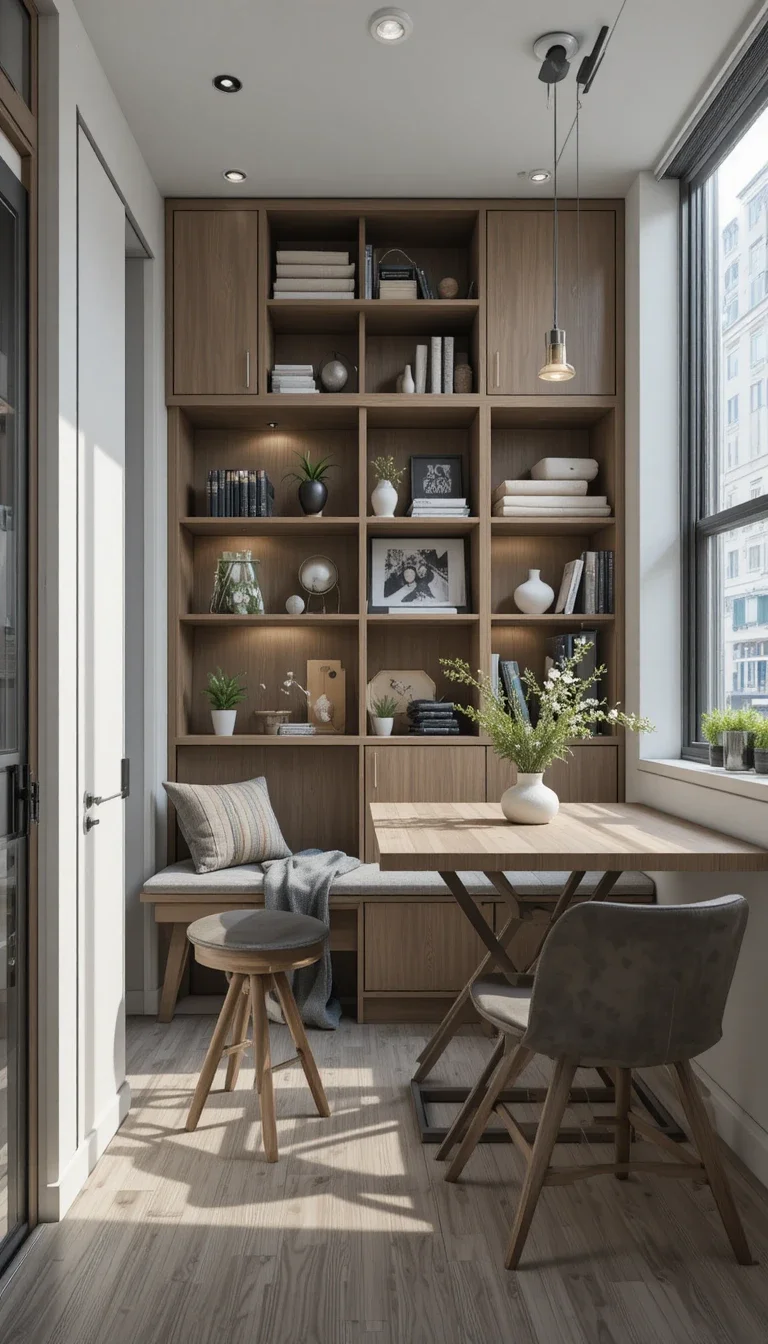
Kitchens often feel outdated, but full renovation is not always needed. Small changes create big impact. New jars, better organization, updated lighting, and cleaner shelves can transform the space. For example, switching from random storage to matching jars instantly makes a kitchen look organized. Focus on visible areas first. Hidden spaces don’t affect perception as much.
Improve bathroom look with minimal effort
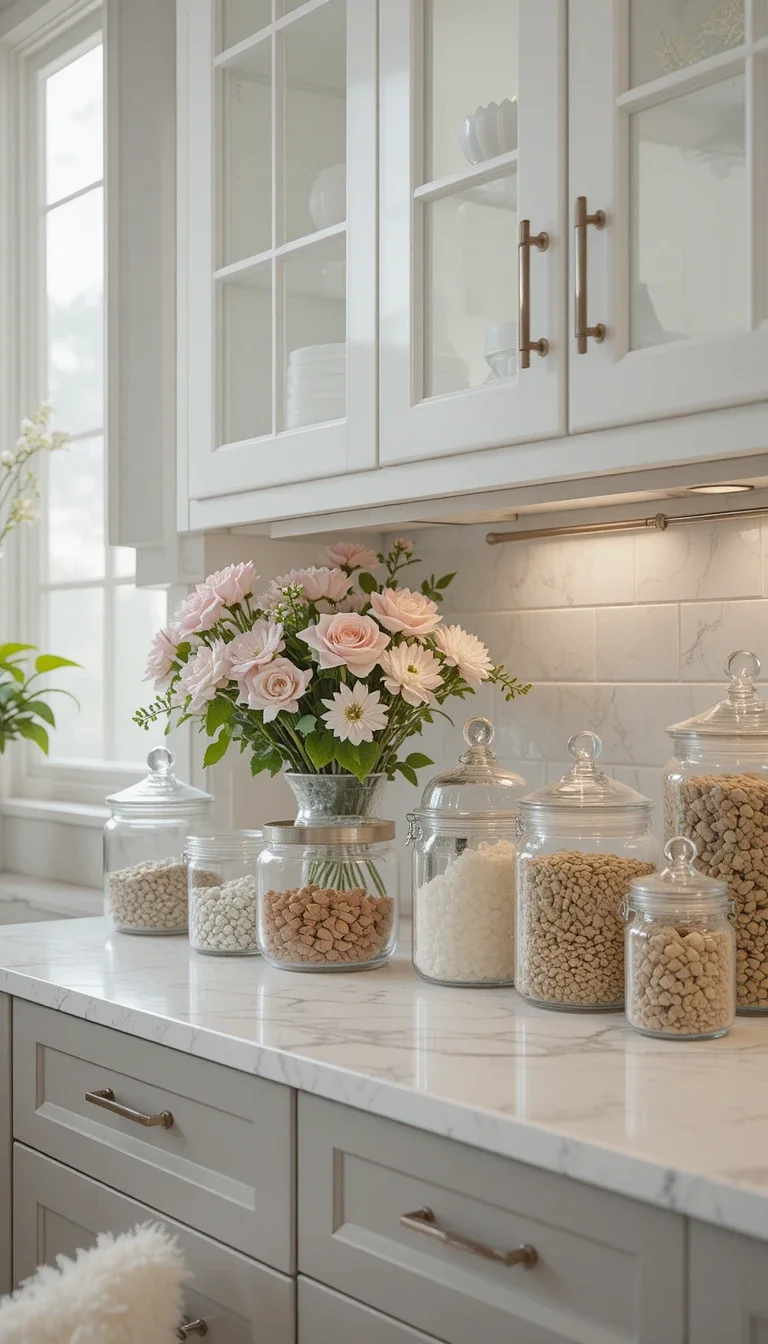
Bathrooms are often ignored in home design plans. That is a mistake. Small upgrades work well here. New towels, a clean mirror frame, and simple storage baskets can make a big difference.
Example
A basic bathroom feels more like a spa when everything follows a simple color theme. People assume bathrooms are expensive to improve. They are not. They just need coordination.
Build a simple home office that actually works
A productive workspace does not need expensive furniture. A clean desk, proper lighting, and basic storage are enough. For example, a corner desk becomes a focused work area when clutter is removed and lighting is added. Avoid overload. Too many items reduce focus and increase stress.
Smart shopping habits that save real money
Budget decorating is not just about ideas. It is about timing and discipline. Buy during sales, compare prices, and avoid impulse purchases.
| Strategy | Result |
|---|---|
| Thrift buying | Unique low cost items |
| Seasonal sales | Maximum discounts |
| Planning list | No impulse spending |
A planned purchase always beats random shopping.
Common confusion in decorating decisions
People often confuse “cheap” with “low quality.” That is not true. A simple item can look premium if styled correctly. A expensive item can look messy if placed poorly.
Realistic home transformation example
Here is a simple real world style example.
A small apartment started with:
- Basic lighting
- Old furniture
- Empty walls
After applying economy home decor ideas:
- Warm lamps replaced harsh lighting
- One thrift table became centerpiece
- DIY wall art added personality
- Plants added freshness
Total budget stayed low, but visual improvement was high.
Final thoughts
When you use economy home decor ideas, you stop chasing expensive trends and start building a home that actually fits your life. Small changes matter more than big purchases. start slow. Improve one corner at a time. Let your space grow with you. That is how real homes are built, not overnight, but step by step with intention and clarity.