

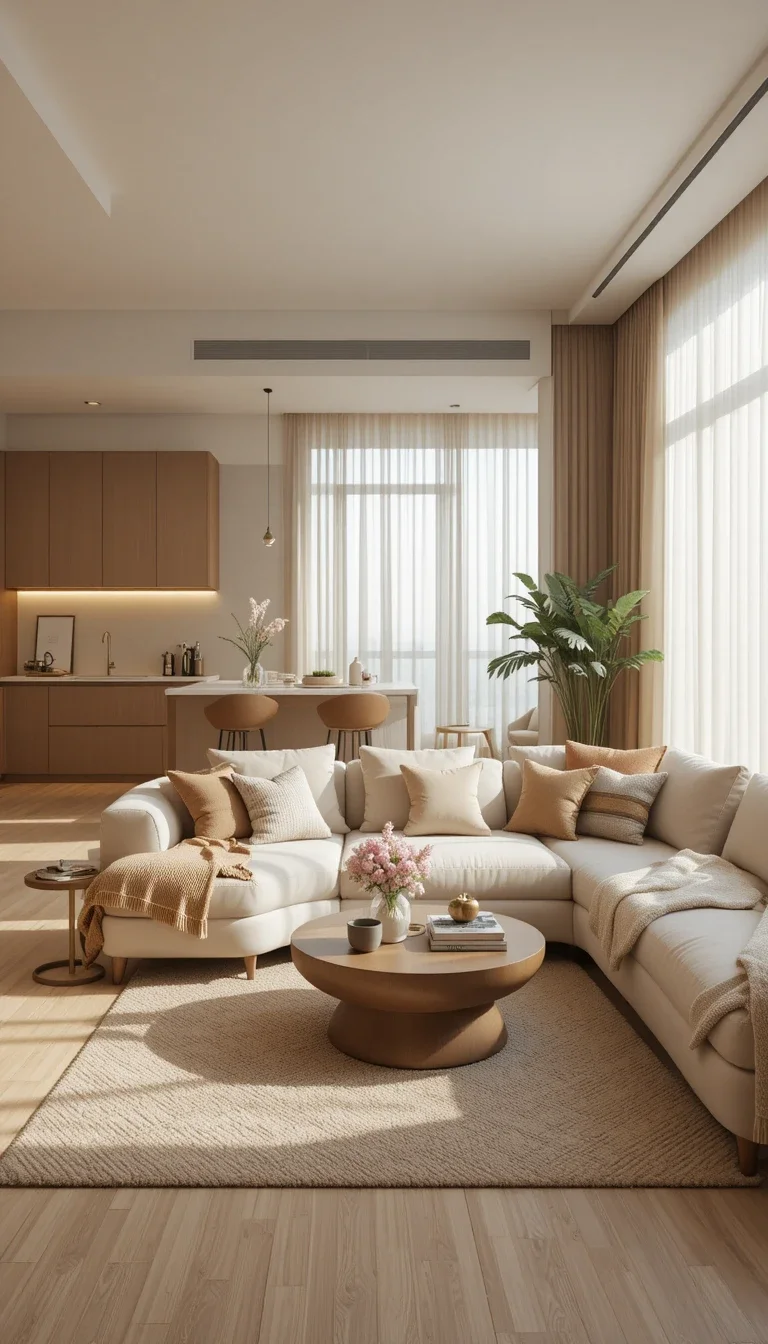
Open layouts can feel cold and cavernous if you are not careful, but they do not have to. A cozy open living room usually comes down to a few smart moves: a large rug, warm layered lighting, and a handful of soft textures. Get those right, and even a small open space feels warm instead of empty.
The tricky part with open layouts is that nothing separates the zones, so the room can feel like one big, echoey box. The 24 ideas below fix that. They make a small open living room feel snug, stylish, and put-together. Start with whatever your room is missing most.
Cozy Neutral Colour Palettes
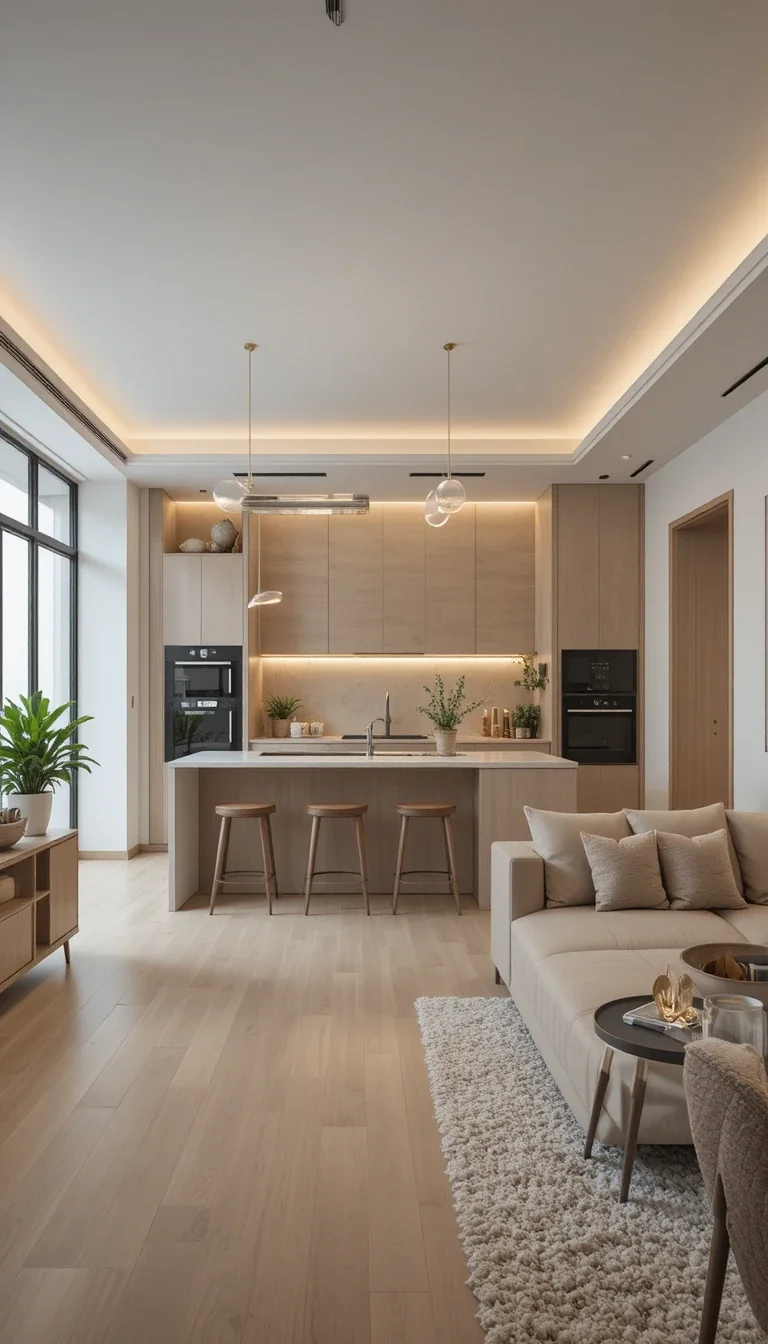
Warm neutral colors are the easiest way to make an open room feel calm. Shades like cream, beige, taupe, and warm white bounce light around, so a smaller space feels softer and less closed in.
The trick is to carry one palette through both the living room and kitchen. That single move keeps an open layout feeling connected instead of chopped up, and it works with almost any style, from Scandinavian to modern farmhouse.
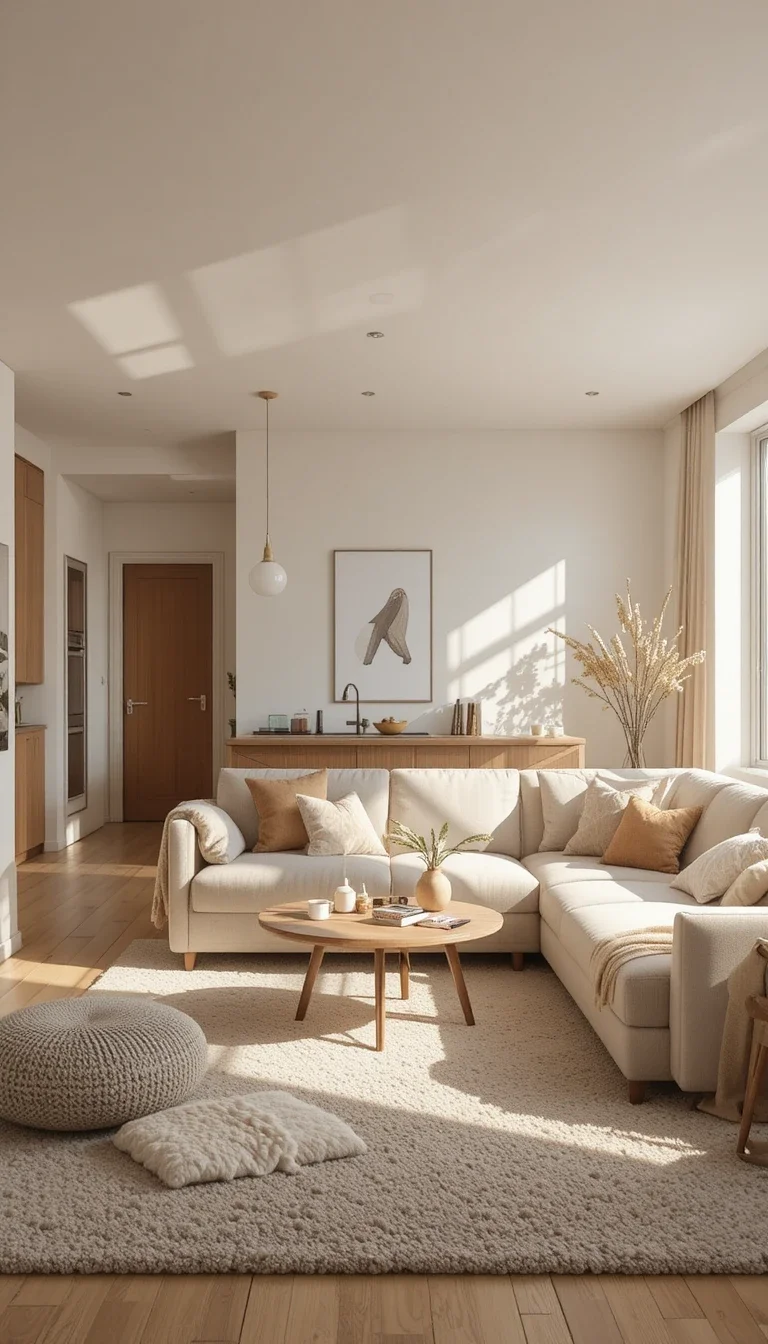
Soft Layered Lighting
Lighting decides how cozy a room feels, full stop. One harsh ceiling light flattens even a beautiful space. Build your light in layers instead: floor lamps, table lamps, warm LED strips, and a soft pendant or two. Different sources at different heights create depth and warmth. This matters most in the evening, when overhead white light makes a room feel like an office and warm lamps make it feel like home.
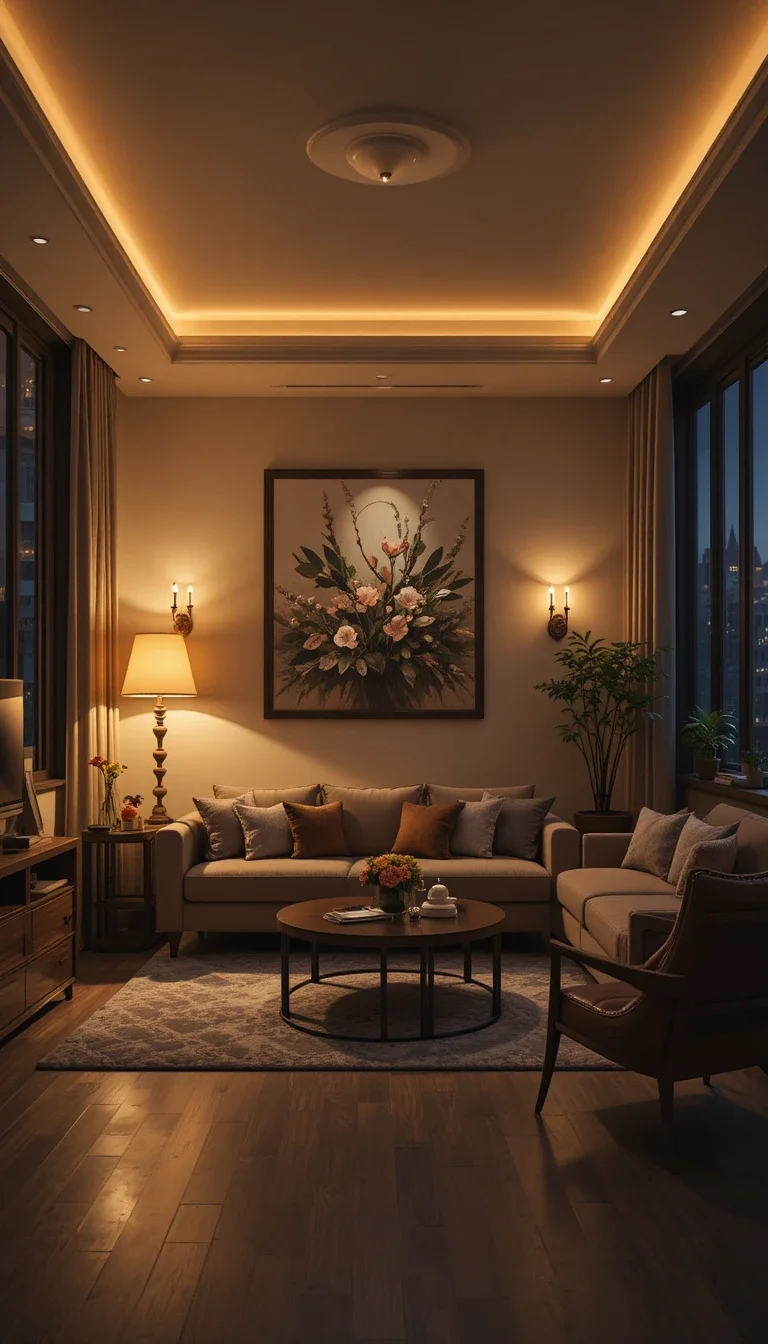
Large Area Rugs
Here is a mistake small-room owners make all the time. They pick a rug that is too small, and the whole seating area ends up looking disconnected and awkward. A large rug fixes it instantly. It anchors the furniture and marks out the living zone inside an open layout. Soft-textured rugs also soak up sound, which makes a compact space feel calmer and quieter.
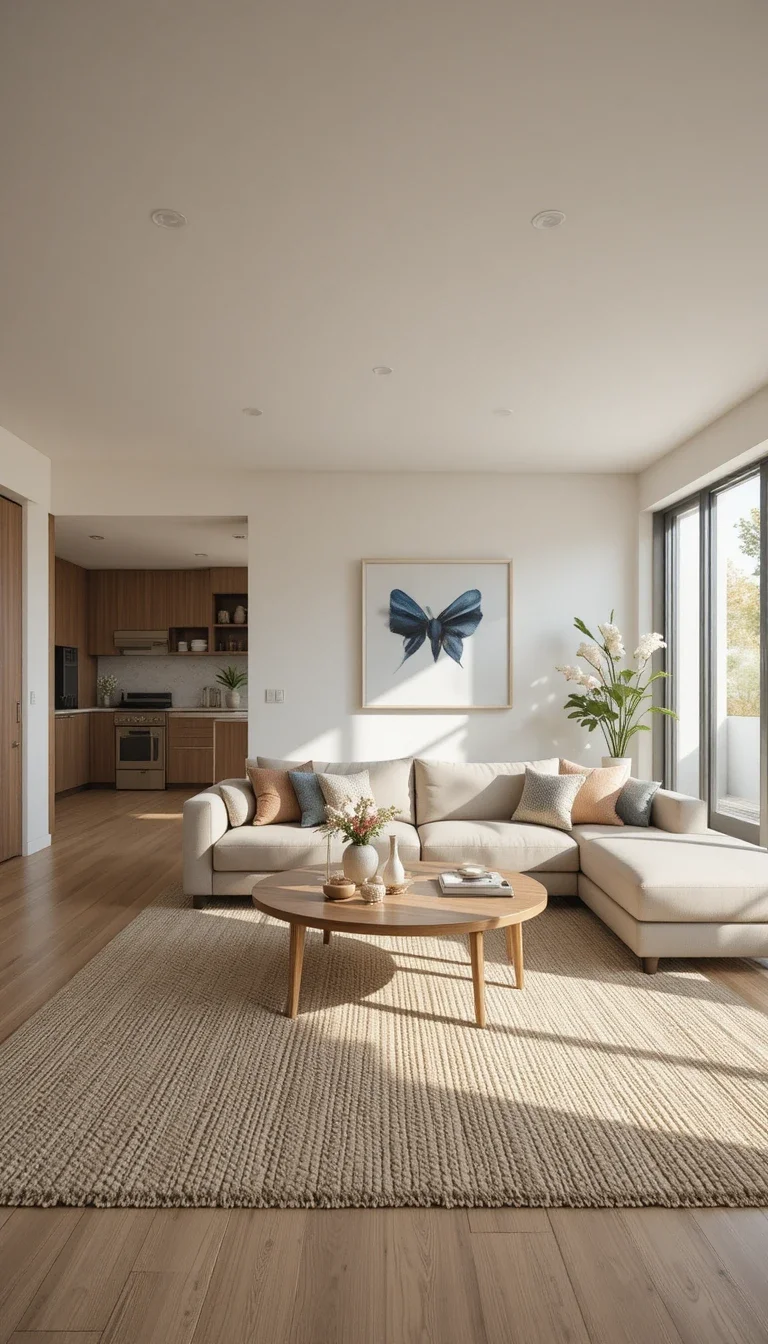
Warm Wood Accents
Modern rooms turn cold fast when every surface is sleek and shiny. Wood brings the warmth back. An oak coffee table, walnut shelves, or even small wood decor makes a room feel more natural right away. In 2026, light oak and medium walnut are the favourites, since they warm a room up without making it feel dark or heavy.
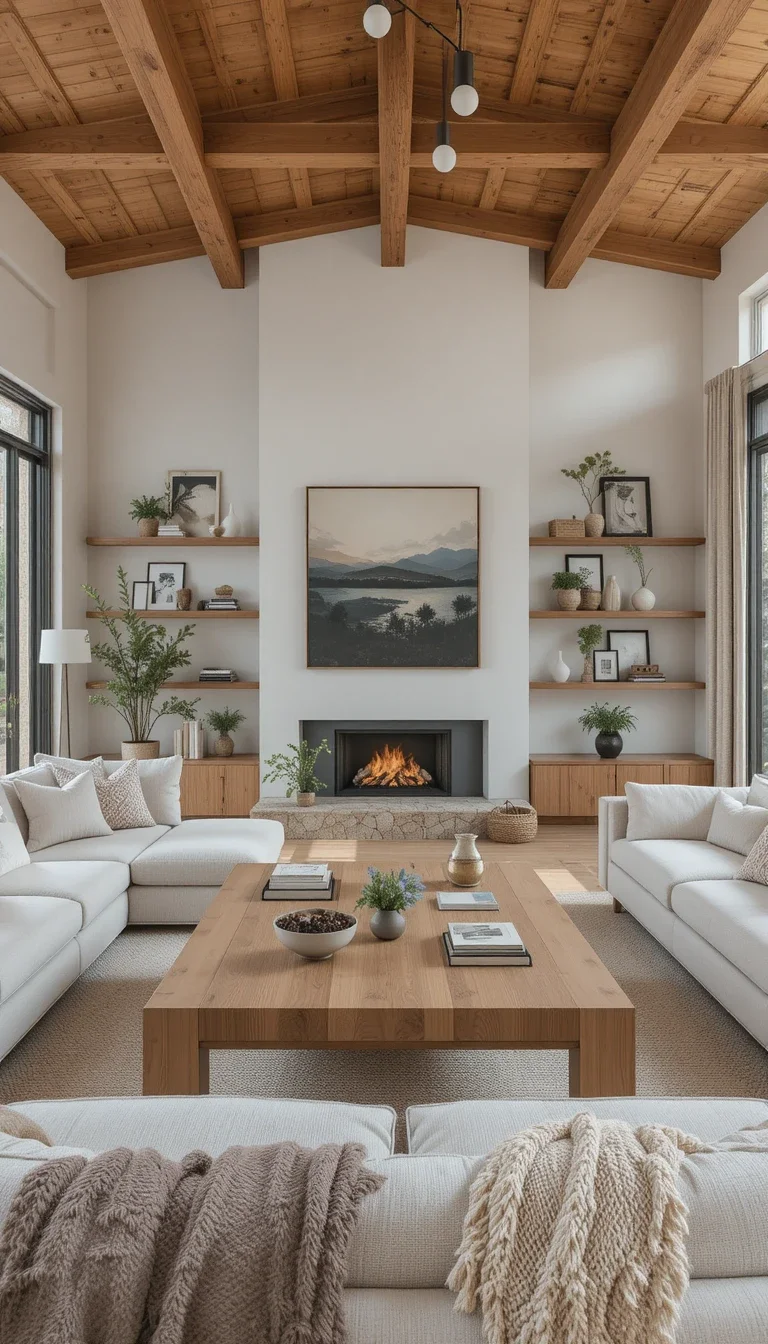
Curved Furniture Shapes
Sharp, boxy furniture can make a small room feel rigid and crowded. Curves do the opposite. A rounded sofa, an oval coffee table, or a soft-edge chair helps the eye move smoothly around the room. In a compact open space, that gentle flow makes everything feel more relaxed and less formal.
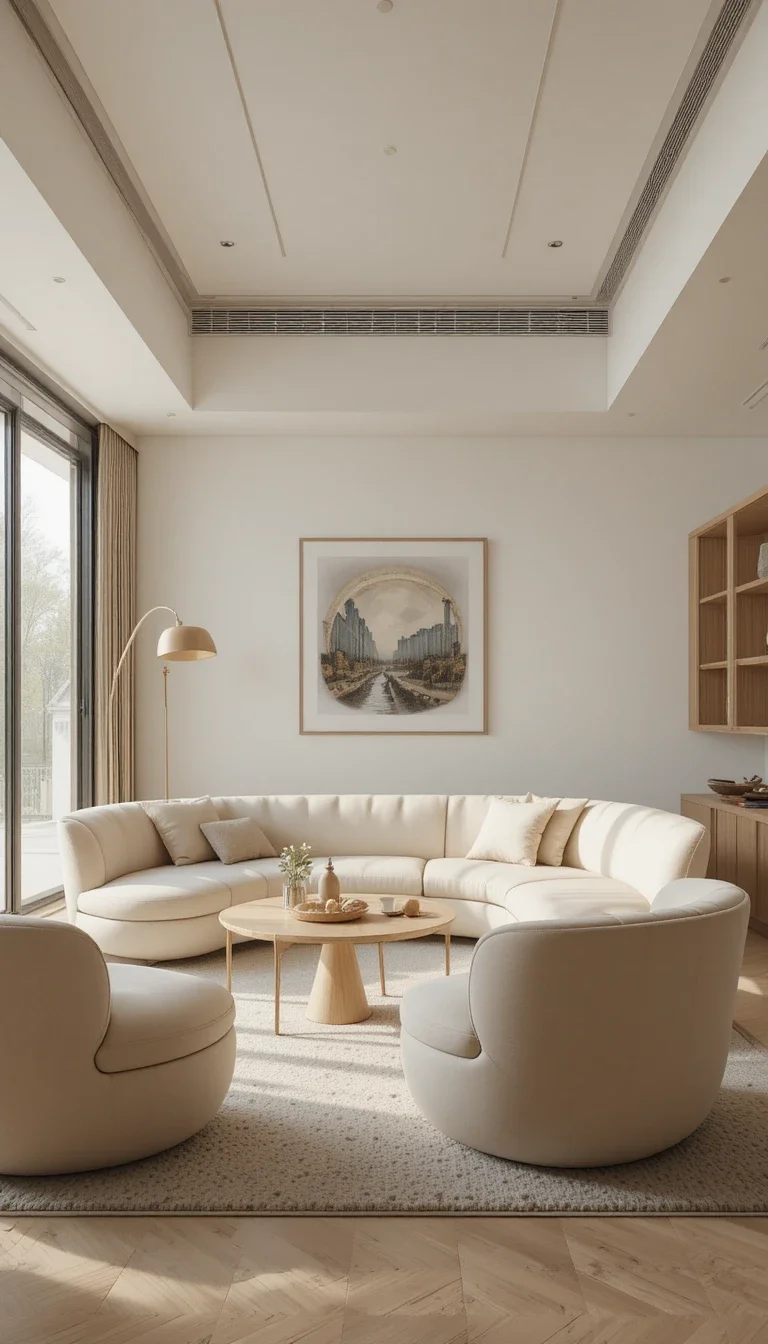
Minimal Clutter Styling
Clutter kills coziness faster than almost anything. A lot of people think cozy means more stuff, but the opposite is usually true. A cozy room feels intentional. Keep the pieces that add warmth, function, or personality, and clear out the rest. Cleaner surfaces make a small open living room feel both larger and calmer at the same time.
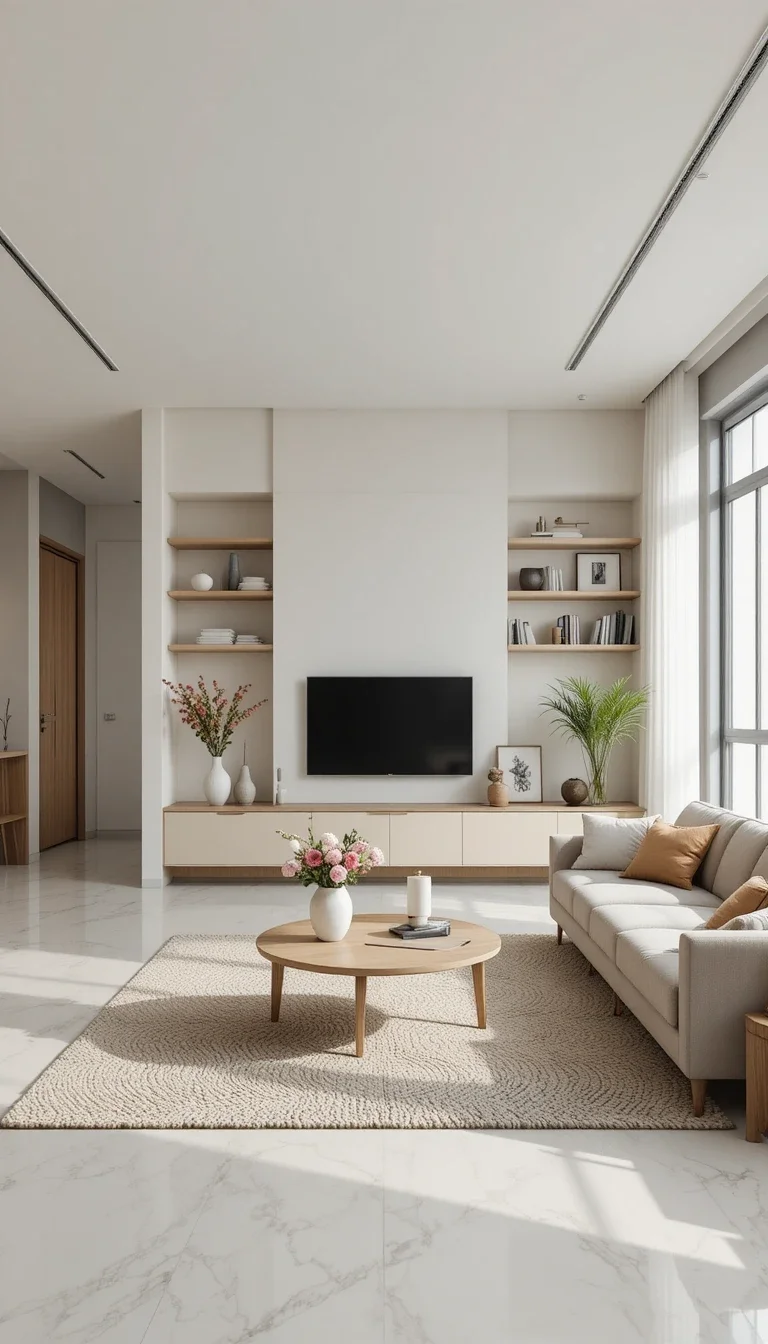
Floating Shelves Instead of Heavy Cabinets
Big storage cabinets can swallow a compact room and make the walls feel heavy. Floating shelves give you storage while keeping the walls light and open. Because they seem to disappear into the wall, they free up visual space that a bulky cabinet would eat. Keep them curated, not crammed, and they read as styled rather than stuffed.
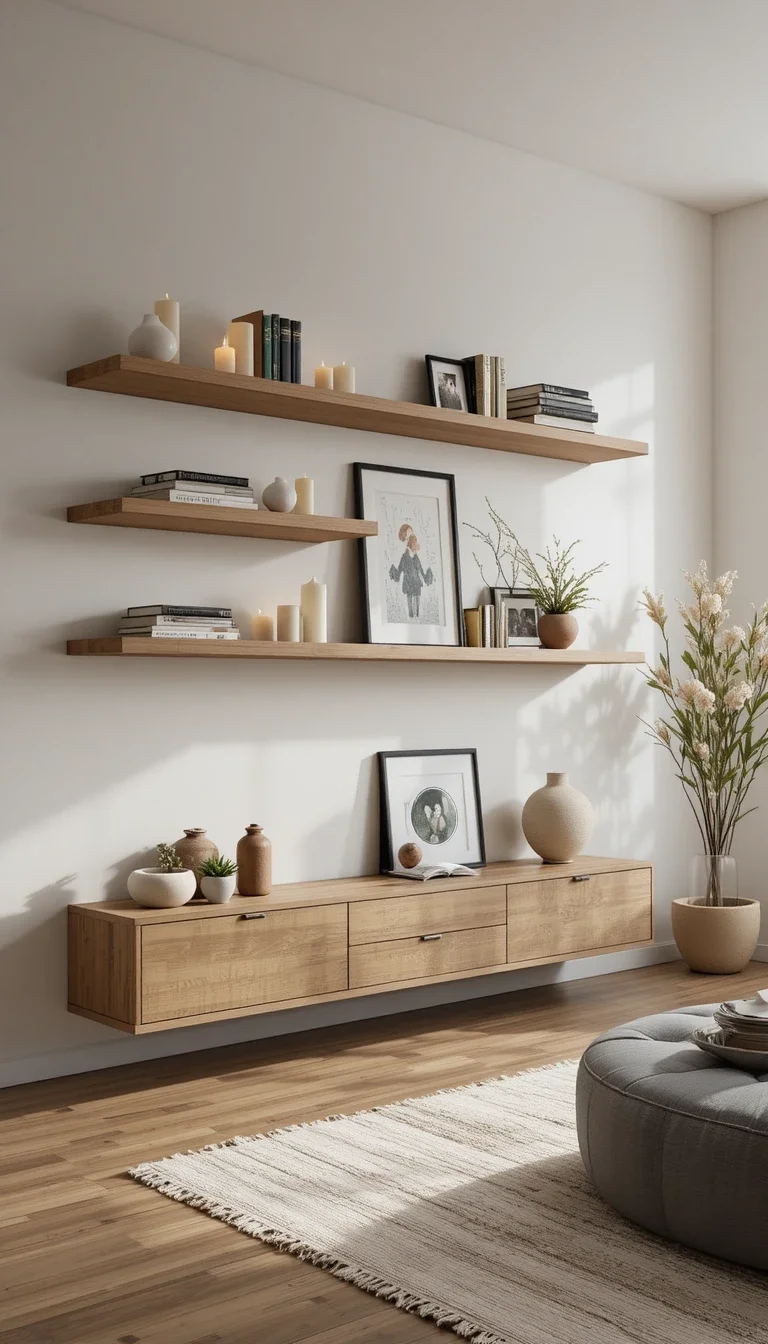
Sheer Curtains for Natural Light
Natural light is one of your best tools for making a small room feel bigger, so do not block it. Heavy blackout curtains darken a compact living room during the day. Sheer panels soften the sunlight without shutting it out, which keeps the room bright and airy while still adding a little privacy and softness.
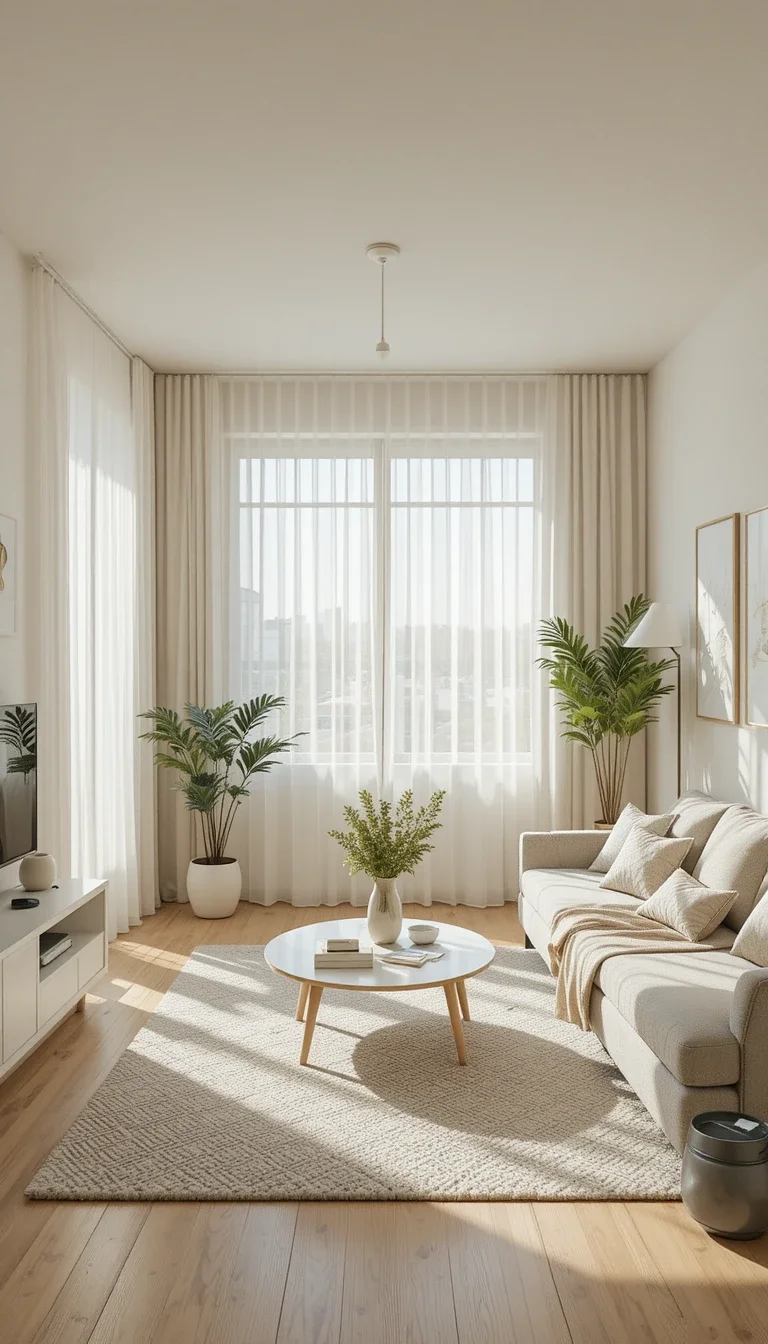
Multi-Functional Furniture
Small homes work best when each piece pulls double duty. Instead of filling the room with separate items, choose furniture that does more than one job: a storage ottoman, nesting tables, a sofa bed, or a bench with hidden storage inside. You get everything you need while keeping the floor clear and the room open.
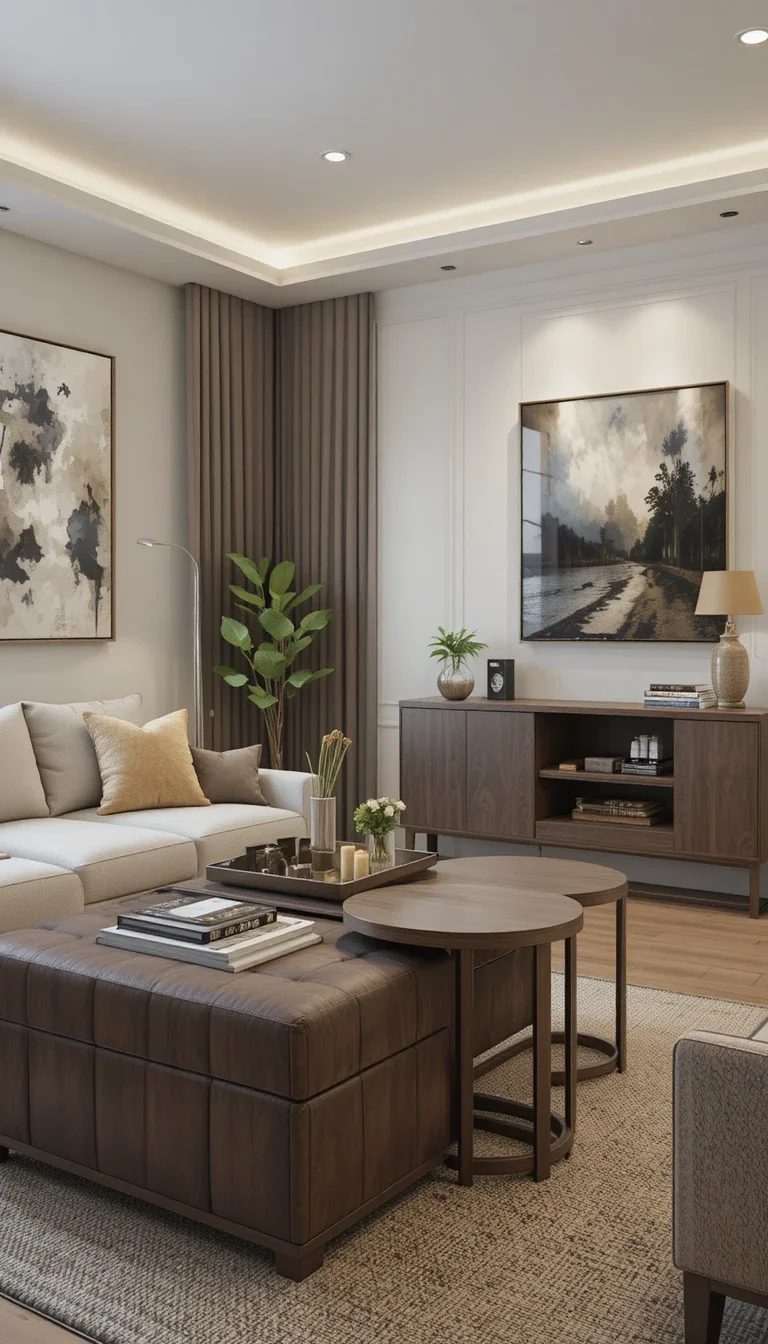
Open Shelving With Curated Decor
Open shelving is all about restraint. Random items scattered across a shelf just add visual noise. Style it with a few chosen pieces instead: a couple of neutral books, a small plant, a candle, one ceramic vase. This adds warmth and personality without overwhelming a small room. The empty space between objects is what makes the whole shelf look intentional.
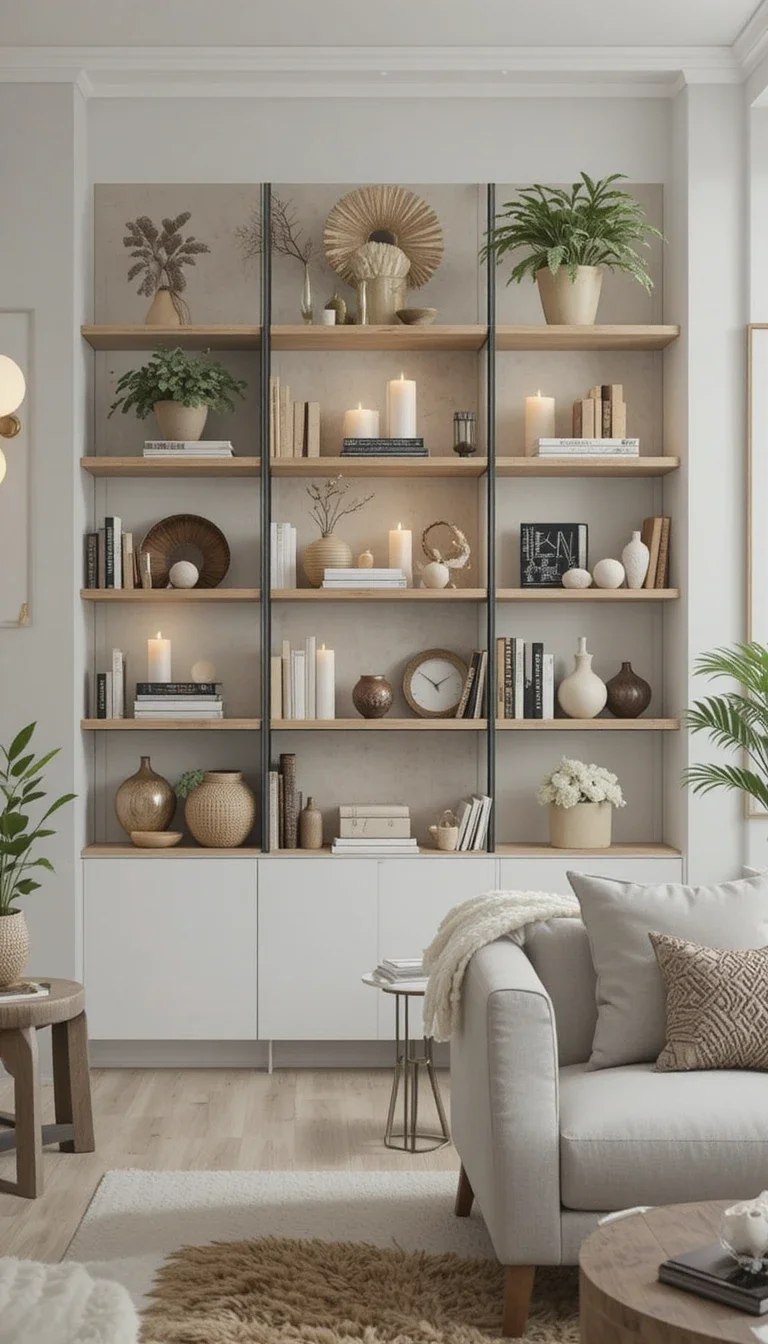
Light Wood Flooring
Flooring affects how big a room feels more than most people realize. Light wood floors reflect more natural light and give the whole space a softer base. In an open layout, running the same flooring from the kitchen into the living room also improves flow. Light oak stays one of the most popular choices for a reason.
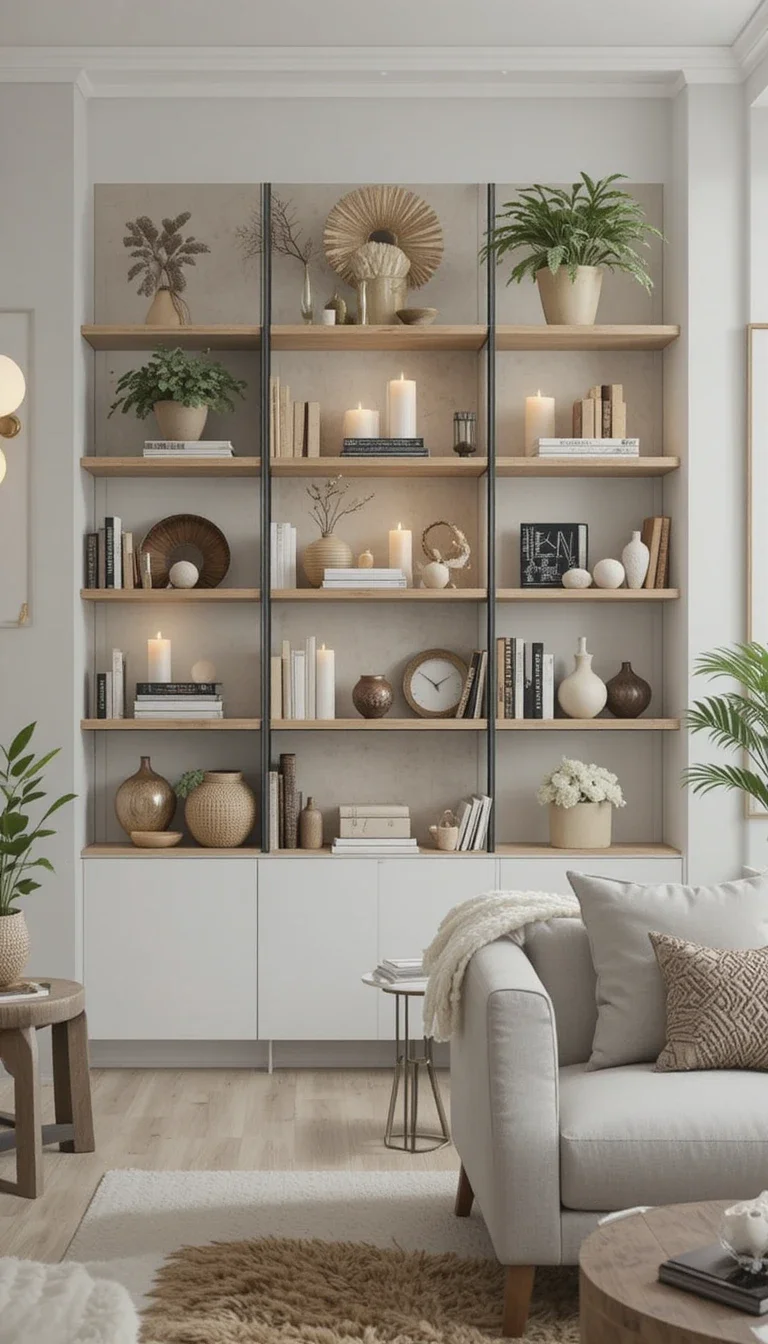
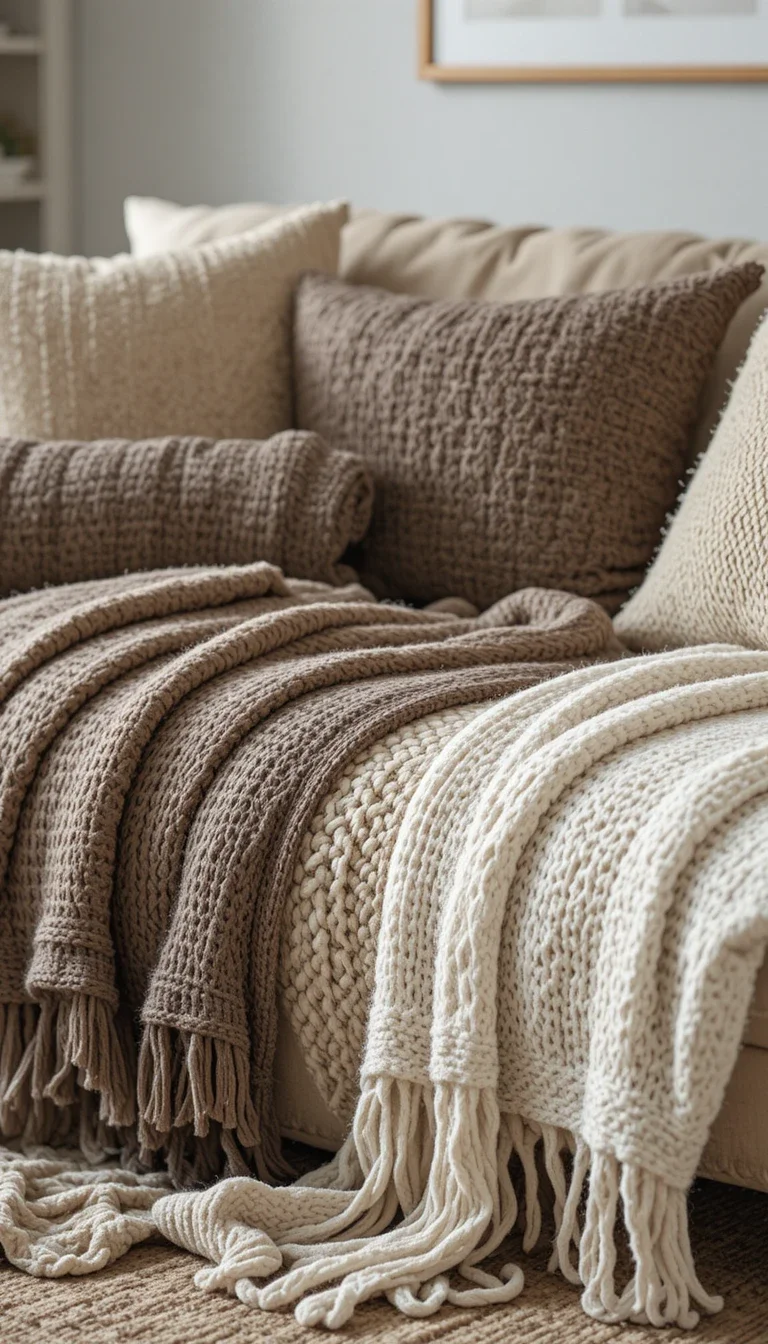
Soft Textured Throw Blankets
Nothing says cozy quite like a soft blanket draped over the sofa. Layer a couple in linen, boucle, or chunky knit, and the room instantly feels more relaxed and lived-in. These fabrics add warmth through texture rather than bold colour, which keeps a neutral room from ever looking flat
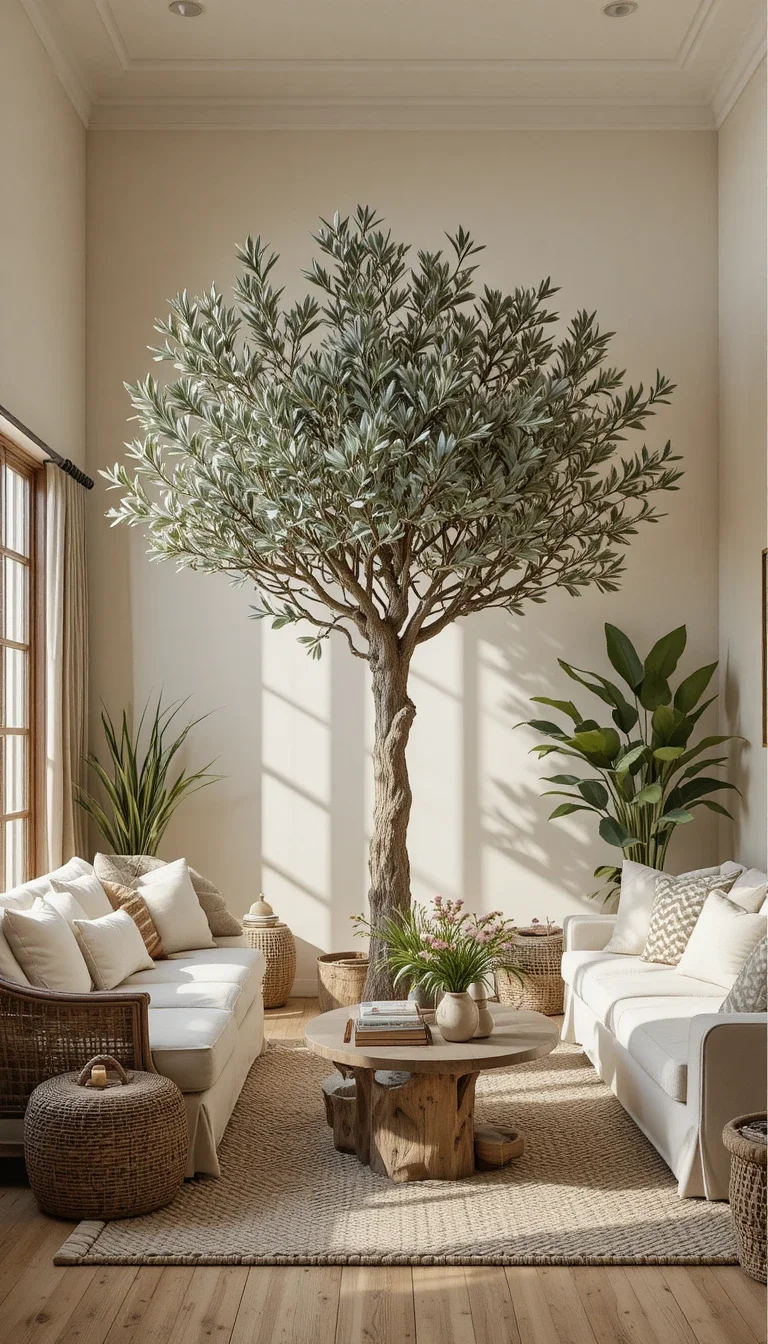
Indoor Plants for Freshness
Plants make a room feel alive. Even a few small ones soften a modern space and lift the whole mood. They add natural colour, texture, and freshness, and larger plants are perfect for filling those awkward empty corners that open layouts always seem to have. One tall plant in a dead corner can change the feel of the entire room.
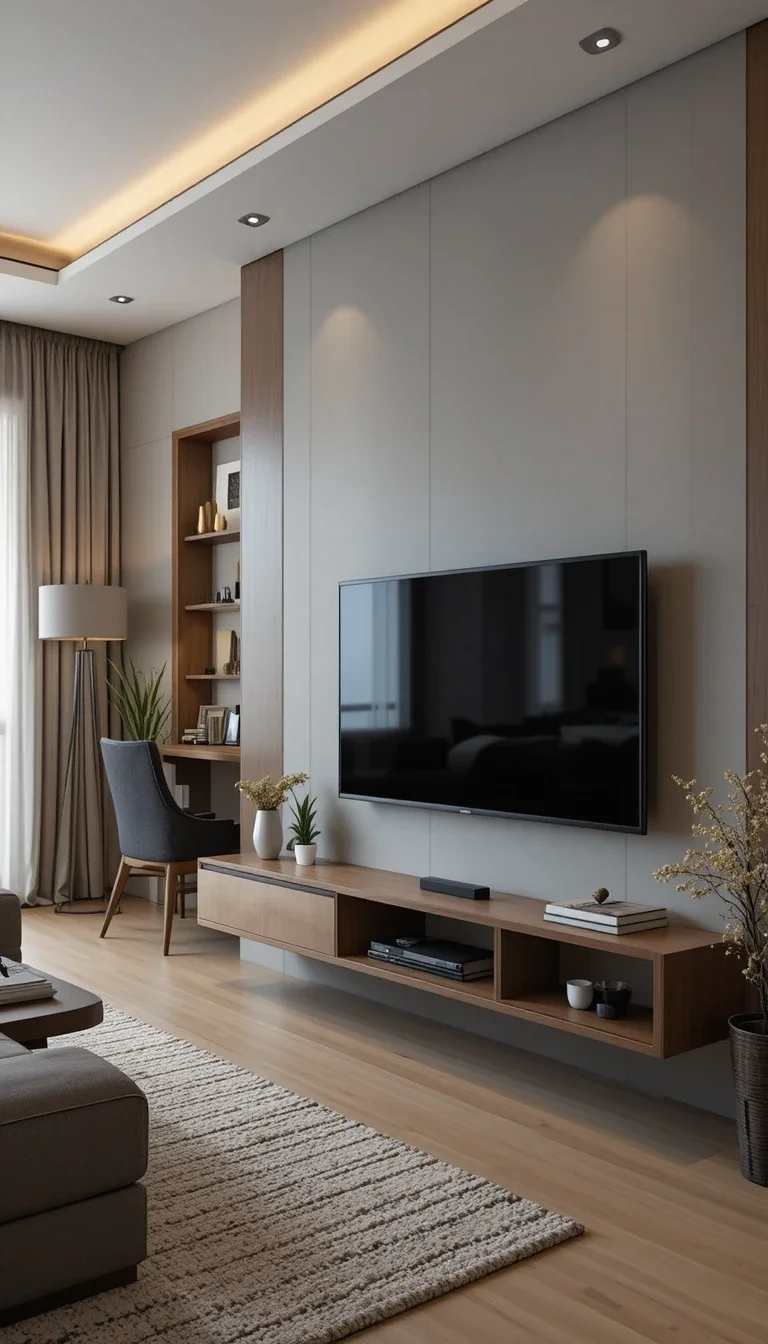
Wall-Mounted TVs to Save Space
Bulky TV stands eat up valuable floor space in a small home. Mounting the TV on the wall clears that space and gives the room a cleaner, more streamlined look. It is a simple swap, but it instantly makes a compact living room feel more modern and open.
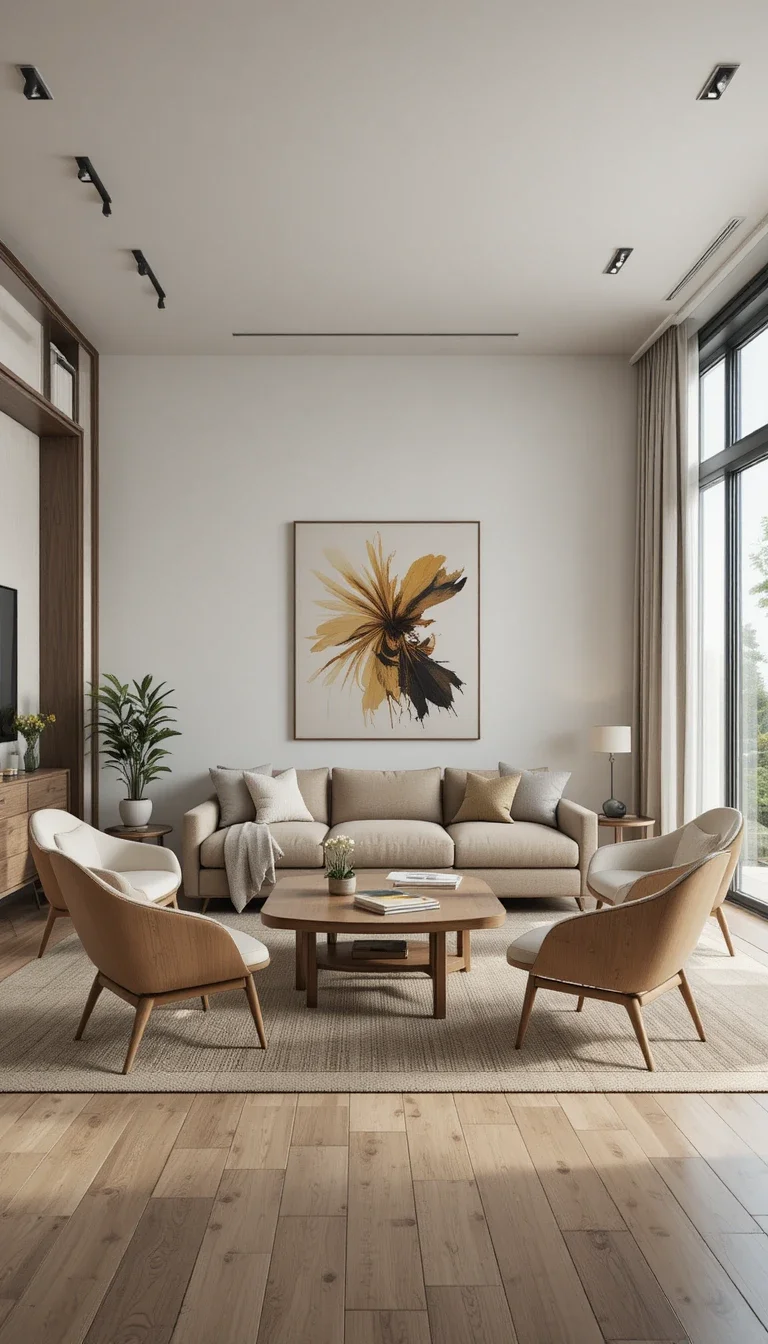
Slim Furniture Designs
Oversized furniture is the fastest way to make a small room feel crowded and hard to move through. Slim-profile sofas, narrow coffee tables, and lightweight chairs keep the room comfortable without the bulk. Look for pieces with visible legs too, since a little open space under the furniture makes the whole room feel airier.
Cozy Reading Corners
Even a tiny home has room for one spot made purely for relaxing. A cozy reading corner needs very little: a soft armchair, a warm lamp, a small side table, and a textured blanket. Tuck it into an unused corner, and you get a personal comfort zone without needing a whole extra room.
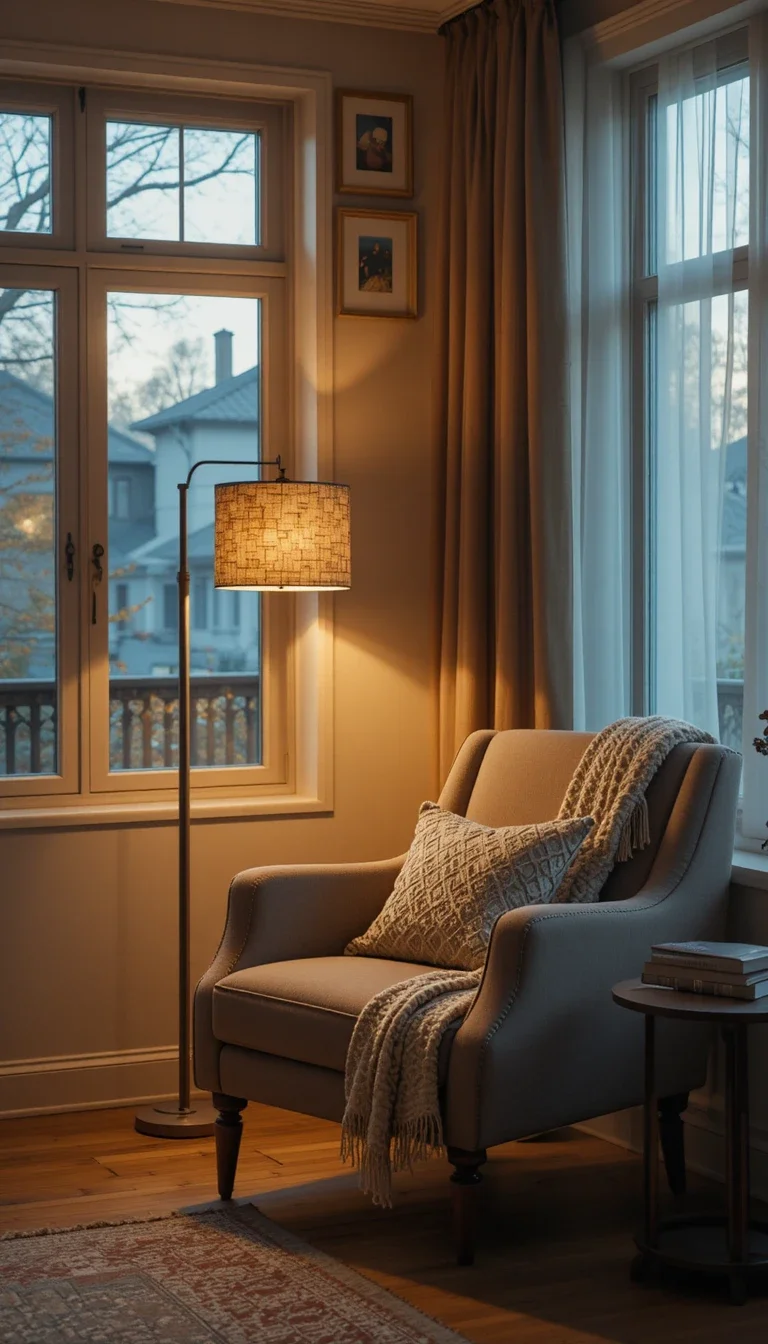
Mixed Textures for Depth
A neutral room gets far more interesting the moment you mix textures. Combine linen, wool, boucle, woven materials, and wood across the space, and the room gains depth and warmth on its own. Texture is exactly what keeps a minimalist or neutral room from feeling cold or unfinished.
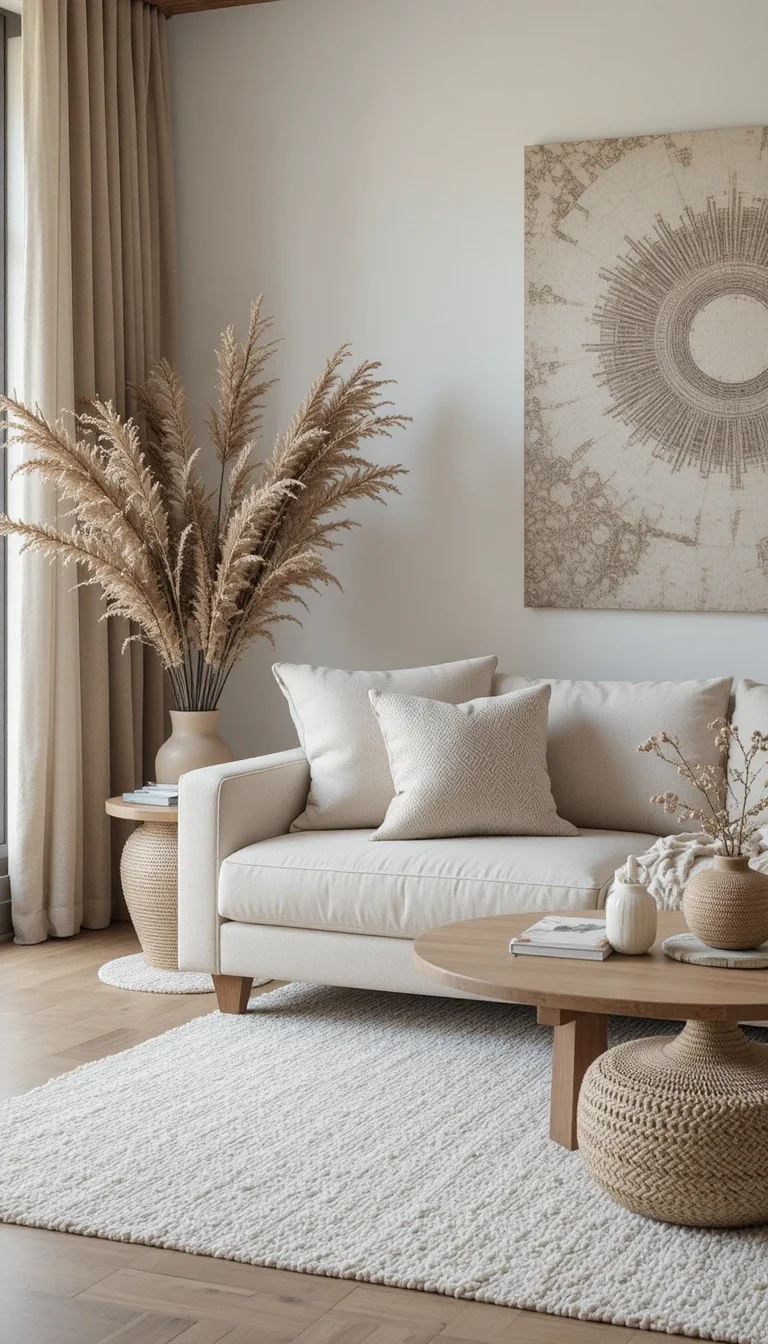
Open Layout With Clear Walkways
Poor furniture placement makes an open room feel cramped fast, even when there is plenty of floor. Keep clear paths between the kitchen, the seating, and the doorways. When people can move through the space without weaving around furniture, the whole room feels bigger and more comfortable. Leave a clear lane of at least 90 cm through the main routes.
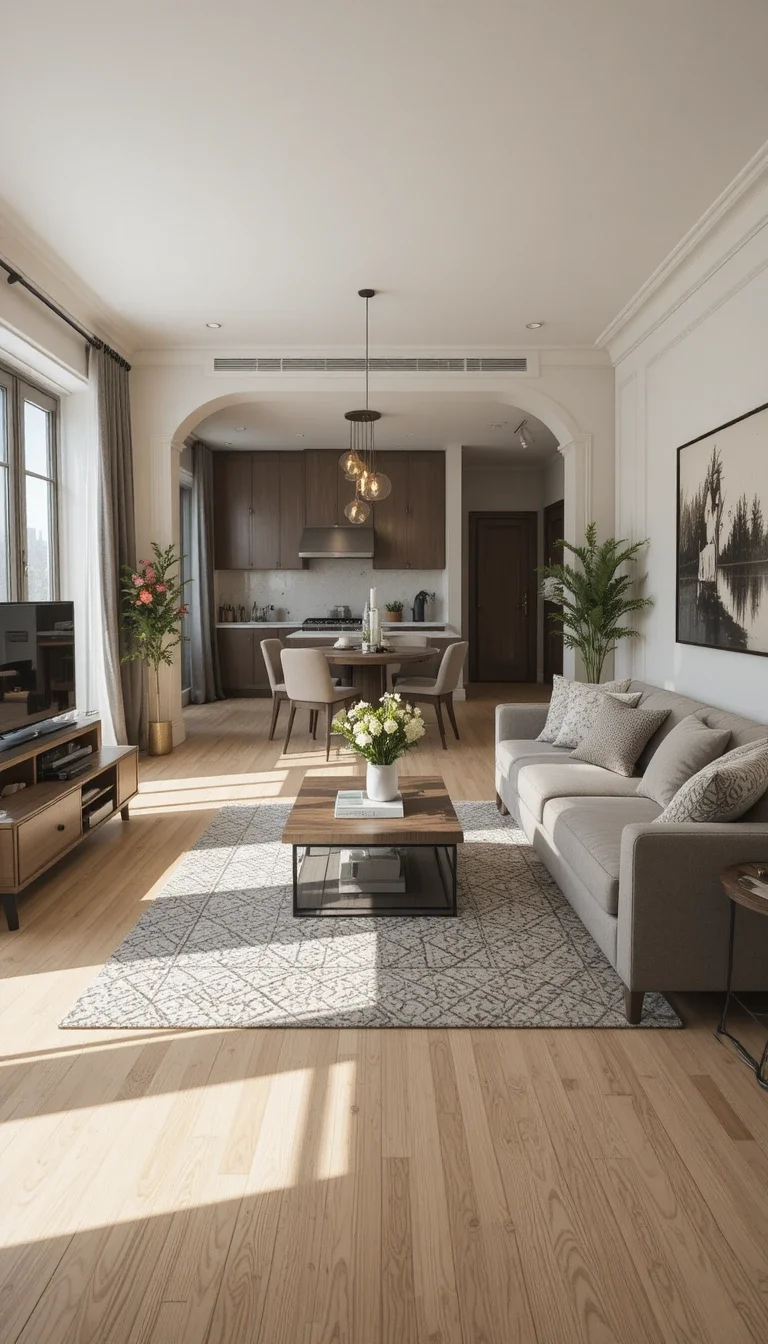
Soft Earth-Tone Decor
Earth tones are everywhere in cozy interiors in 2026, because they feel warm without shouting. Terracotta, olive green, clay, sand, and rust add richness while keeping the room calm. They pair especially well with neutral furniture and wood, so they layer in easily without clashing with what you already own.
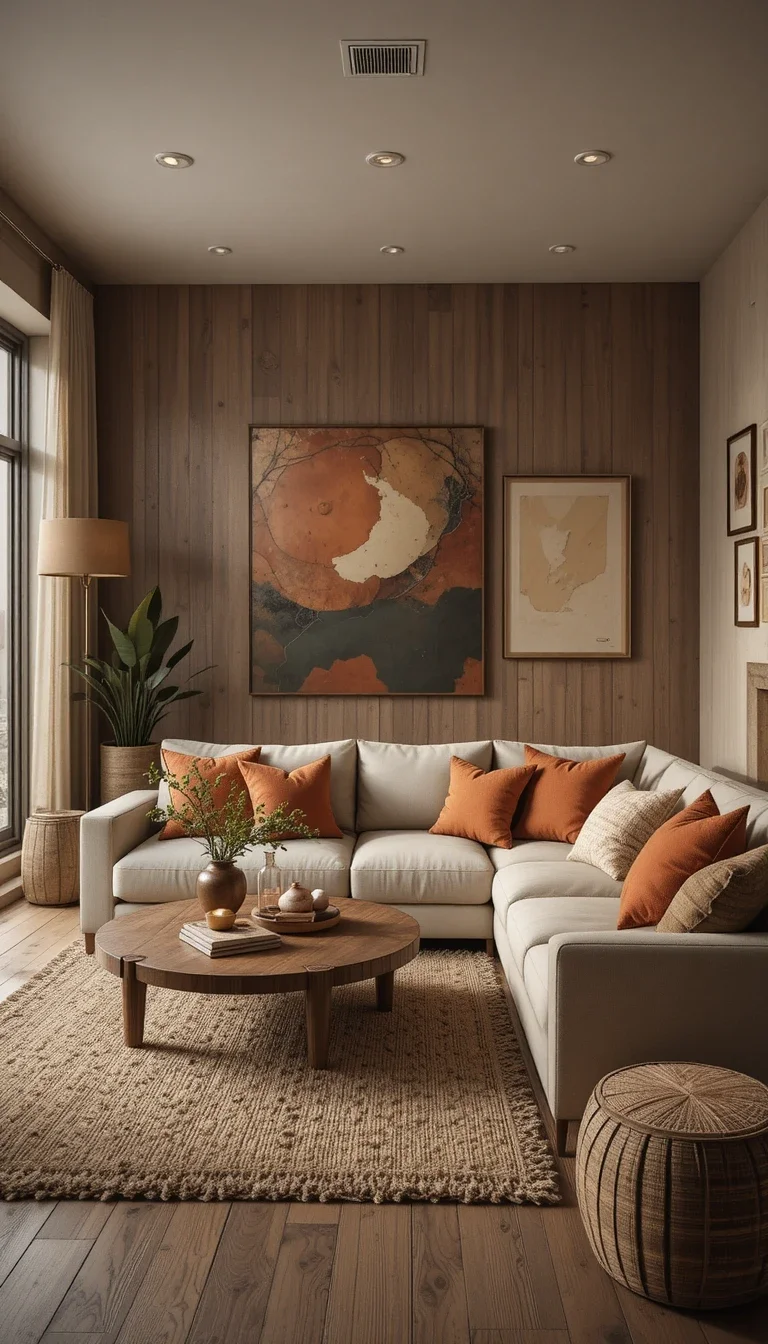
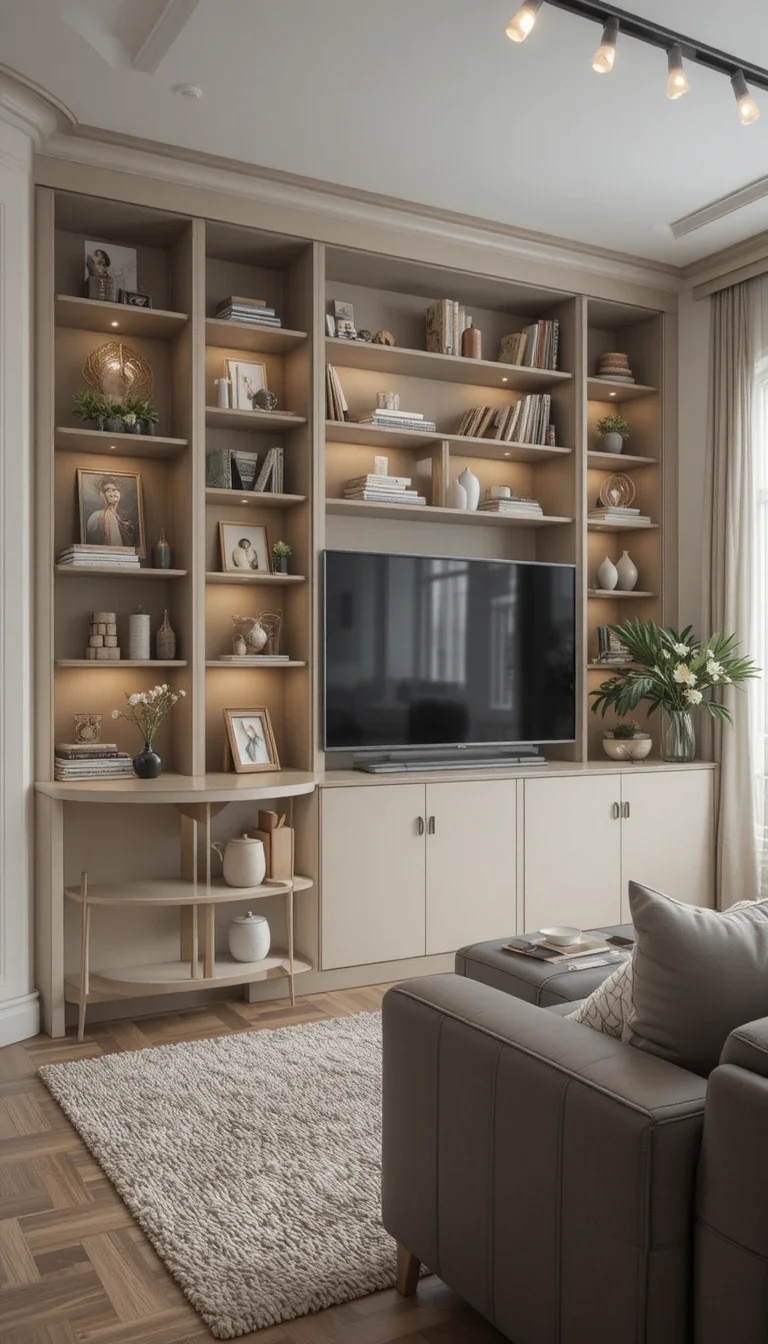
Built-In Storage Solutions
In a small home, clutter shows up faster, so smart storage matters even more. Built-in shelving and hidden cabinets keep things tidy without adding bulky, standalone furniture. The goal is a room that feels organized but still warm, not so bare that it feels empty. Built-ins tucked into a wall give you that balance.
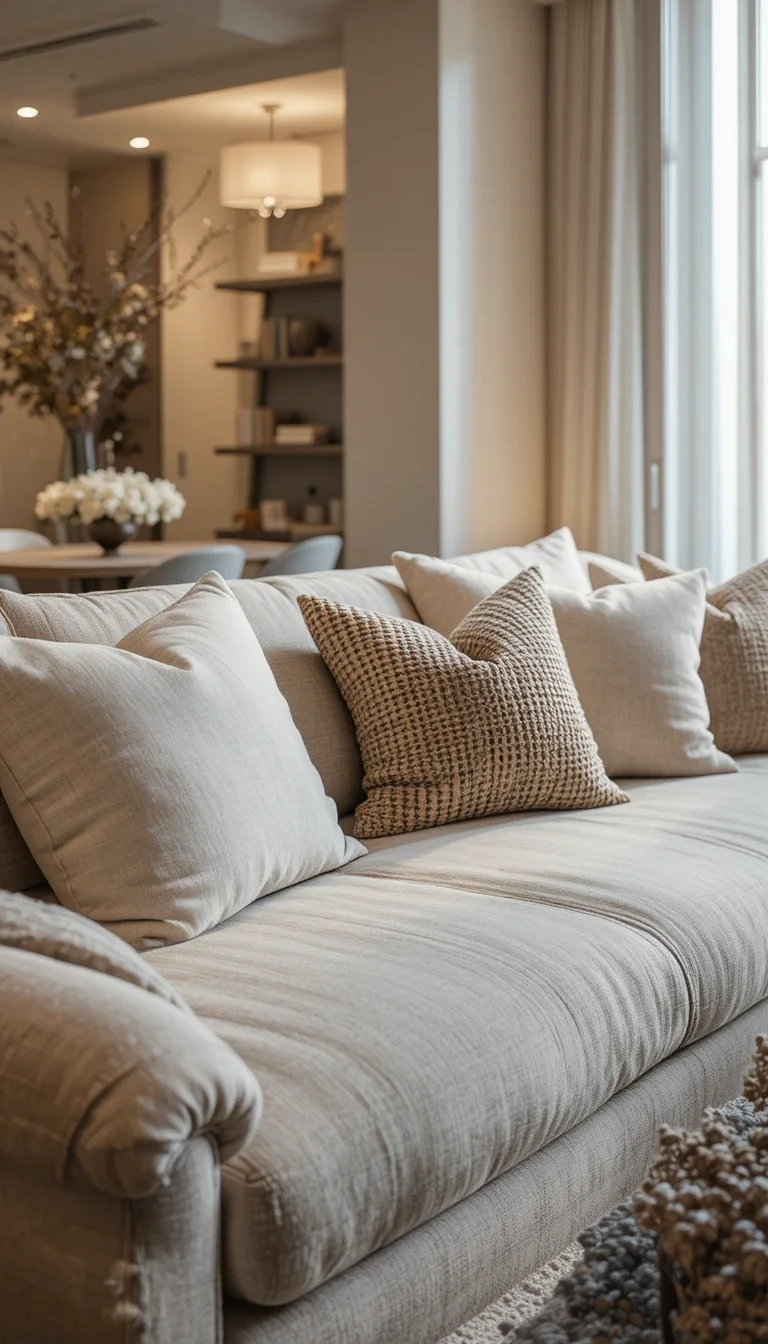
Oversized Cushions and Pillows
Big, soft pillows make a sofa look instantly more inviting. Layer a few different sizes and textures, and the seating feels warmer and more lived-in. Stick to neutral, textured fabrics so they add softness without turning the sofa into a jumble of colours.
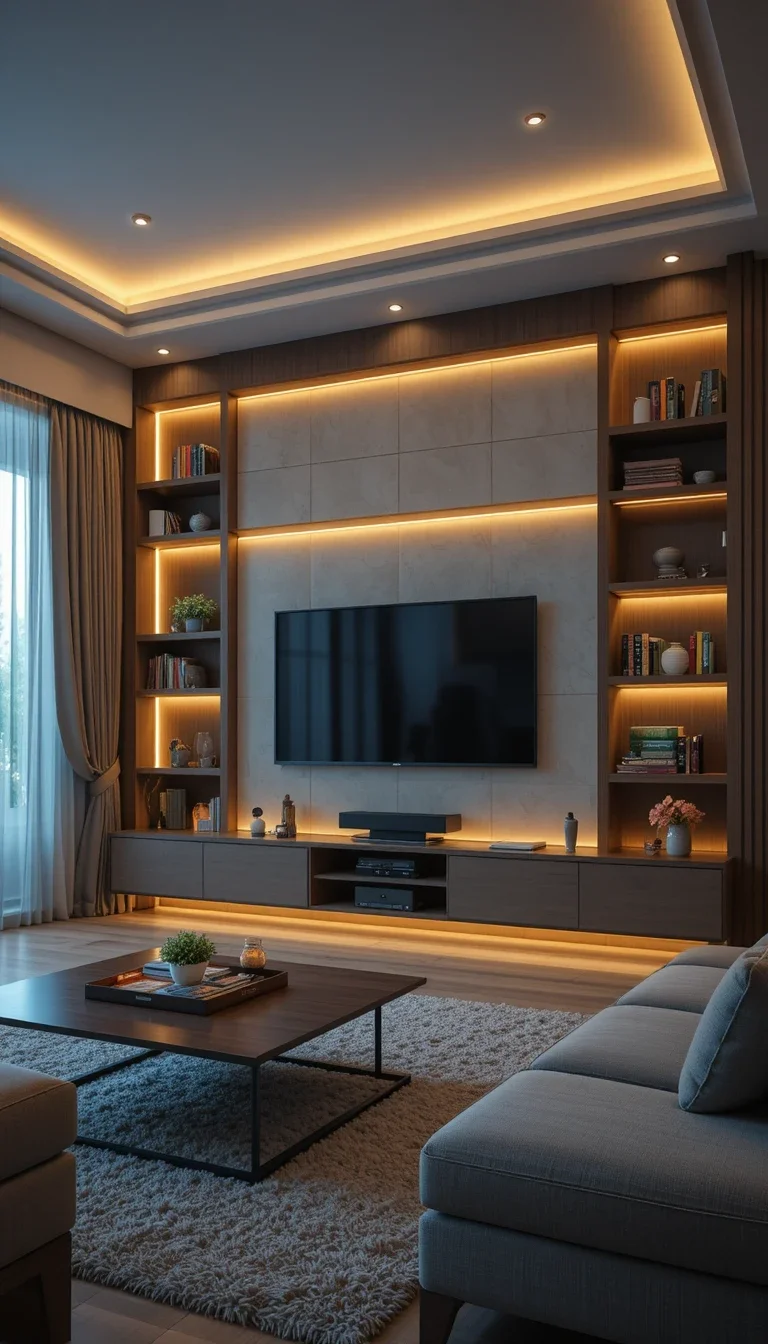
Warm Ambient LED Lighting
Warm LED lighting creates a glow that daylight alone cannot give a room. Tuck soft indirect strips behind shelves, under cabinets, or around a media wall, and the room feels calmer in the evenings. In a modern home, lighting is not just useful anymore. It sets the whole mood of the space.
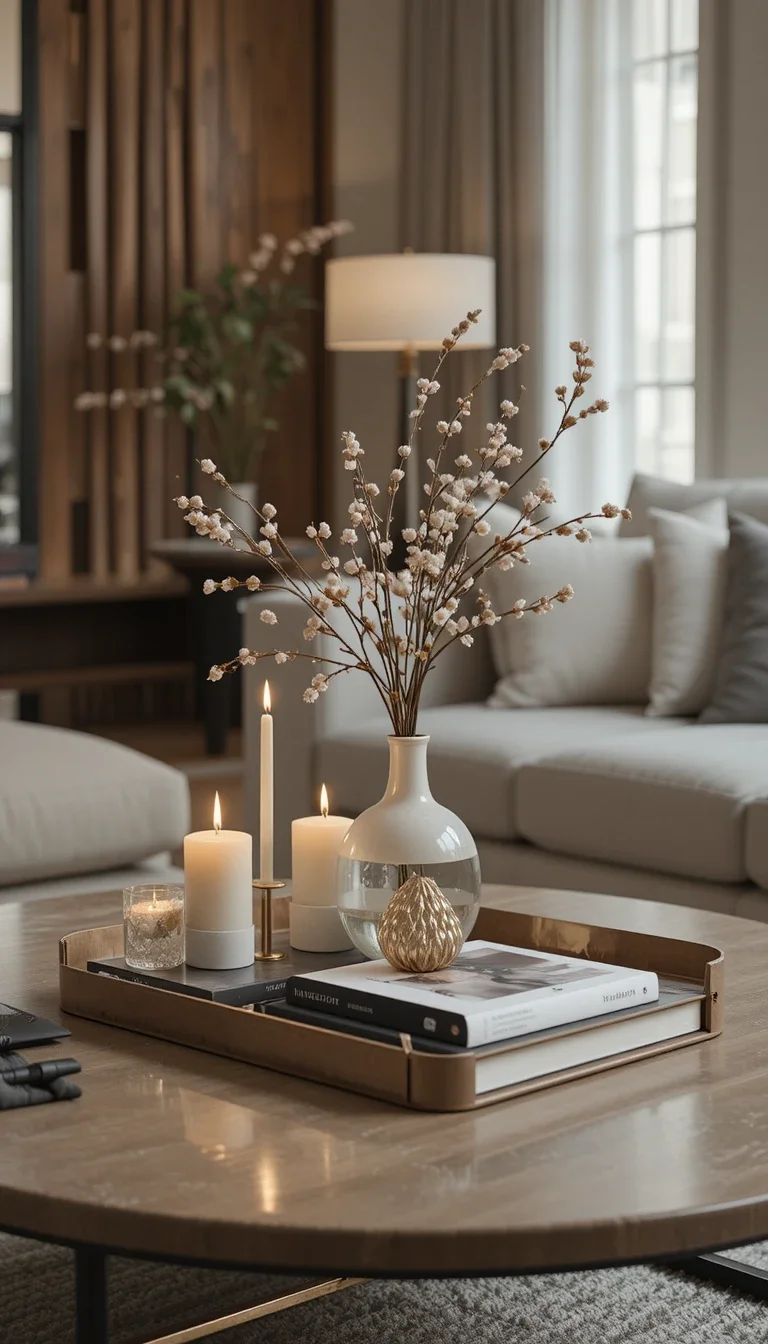
Simple Coffee Table Styling
Coffee tables look best when you keep it simple. A small tray, a stack of books, a candle, or one ceramic vase almost always looks more elegant than a table crowded with decor. In a small room, that restraint also keeps the space from feeling visually busy.
Blending the Living Room With the Kitchen
An open home feels bigger when the kitchen and living room clearly belong together. Match the flooring, keep the colour palettes close, and coordinate the lighting between the two zones. That shared look creates a smooth flow and stops a small open home from feeling fragmented or disconnected.
Frequently Asked Questions
How do I make a small open living room feel cozy?
Focus on warmth and definition. Add a large rug to anchor the seating, use warm layered lighting instead of one ceiling light, and bring in soft textures like throws and cushions. Keeping clutter low and the palette warm makes the biggest difference.
How do I separate zones in an open living room without walls?
Use a rug to mark the living area, a sofa or console to create a natural divider, and lighting to give each zone its own mood. Even a change in flooring or a large plant can quietly signal where one area ends and another begins.
What colors make a small living room feel bigger?
Warm neutrals like cream, beige, taupe, and warm white reflect light and make a space feel more open. Light wood tones help too. Keep the palette consistent across the open layout so the room reads as one connected space.
How do I stop an open living room from feeling cold?
Layer in warmth: wood accents, soft textiles, plants, warm lighting, and earthy tones. Cold open rooms usually have too much hard, sleek surface and not enough texture. Adding a few natural, soft elements fixes it fast.
What furniture is best for a small open living room?
Slim, multi-functional pieces work best. Choose slim-profile sofas, nesting tables, and storage ottomans, and look for furniture with visible legs to keep the floor feeling open. Curved shapes also help a compact room feel less crowded.
Final Thoughts
A cozy, small open living room is not about filling every corner. It is about warmth, comfort, and smart layout, all without crowding the space. The most common mistake is copying oversized luxury interiors inside a compact home. Small spaces need better balance, cleaner layouts, and smarter furniture instead. Focus on warm colours, layered lighting, natural materials, and a little texture, and even a small open living room can feel warm, relaxing, and surprisingly spacious.
