
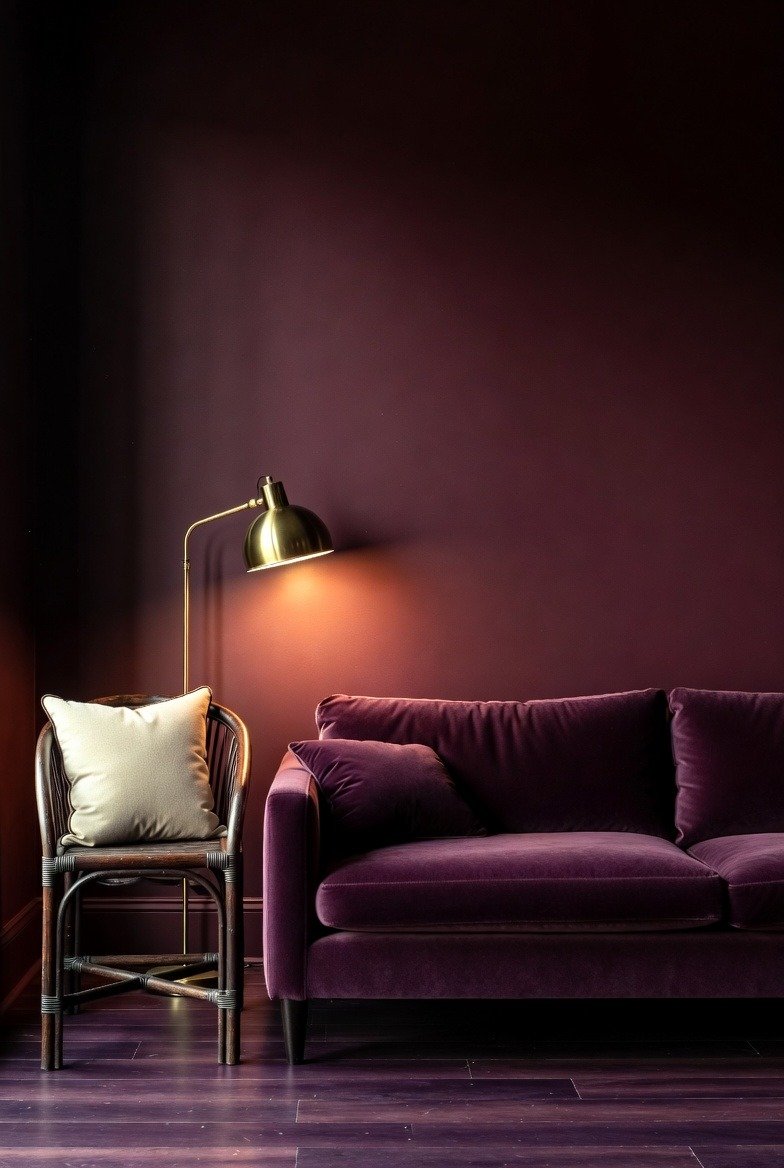
If you have spent five minutes on Pinterest this year, you have met Plum Noir whether you knew its name or not. It is the deep, brooding purple showing up on velvet sofas, drenched bedroom walls, and moody dining rooms all over the platform. And unlike most “color of the year” picks, this one comes with receipts.
This is the full explainer: what Plum Noir actually is, why it exploded in 2026, and, most usefully, how to bring it into a real home without regret, even a small one or a rental you cannot paint.
So what is Plum Noir, exactly?
Plum Noir is a deep purple with burgundy and velvety brown mixed in. Its hex code is #351E28, which tells you the important part: this is not a bright, playful purple. It is purple that has been dimmed almost to black and warmed with brown.
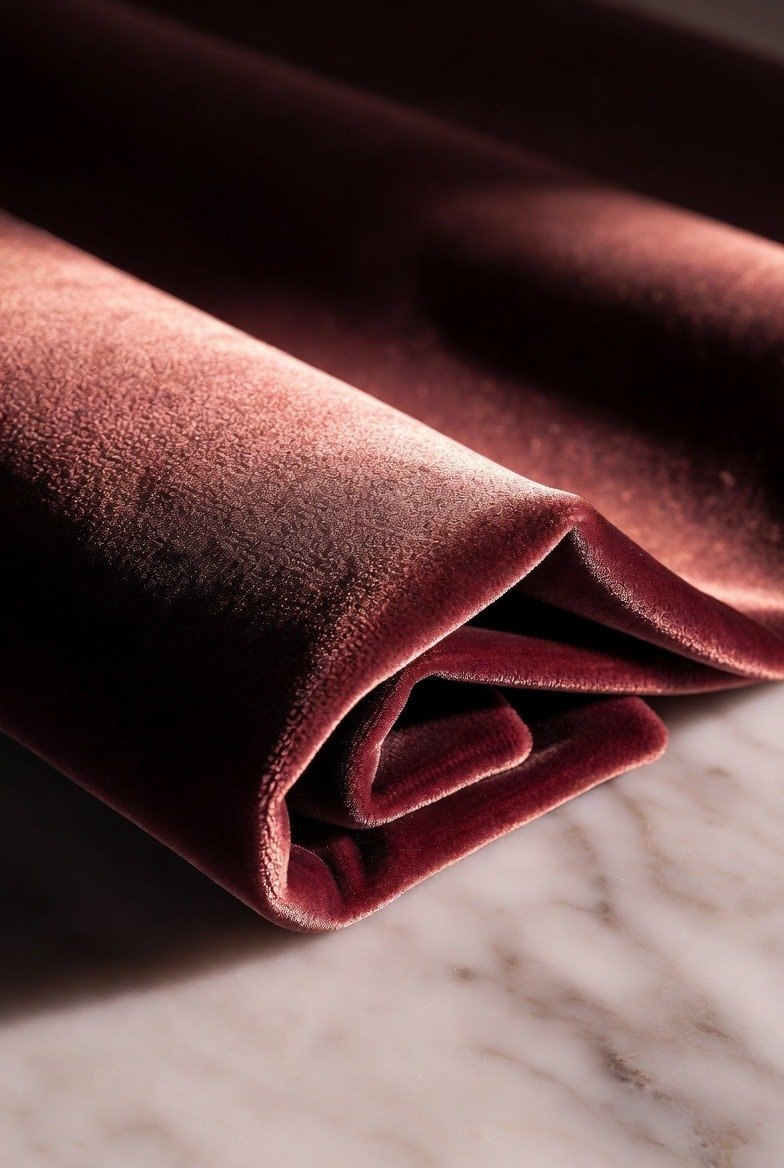
That warmth is the whole point. Compared with stark charcoal or true black, Plum Noir feels richer and more inviting, like the difference between a bare concrete wall and a glass of red wine. It is dark and dramatic without going cold.
Where it came from, and why it’s suddenly everywhere
Plum Noir is one of five shades in Pinterest’s 2026 Palette, the platform’s annual color forecast, alongside Cool Blue, Jade, Wasabi, and Persimmon.
Here is what makes it different from a paint brand’s color of the year. Pinterest’s palette is data-driven, pulled from what millions of people are actually searching and saving, not from a marketing meeting. And the data behind Plum Noir is loud. Searches for “dark plum” jumped 220 percent. “Deep burgundy” rose 230 percent. “Plum living room ideas” climbed 60 percent. Saves in this color family surged 335 percent, making it one of the fastest-rising shades in the whole palette.
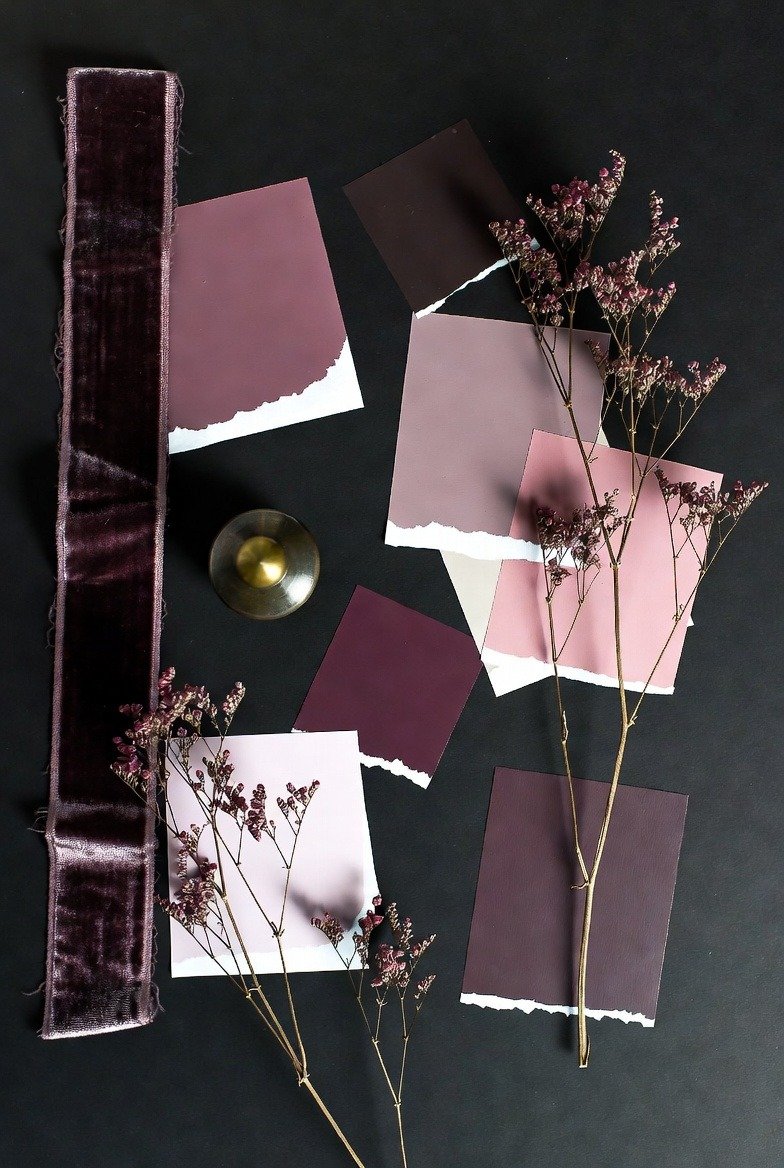
Culturally, it lands right on the “moody maximalism” wave that has been pushing back against years of sad-beige minimalism. Pinterest frames it as a step into your “villain era,” a color that signals confidence and complexity rather than fitting in. There is a nostalgic thread too, since deep plums defined a lot of 1990s interiors and are circling back the way trends do.
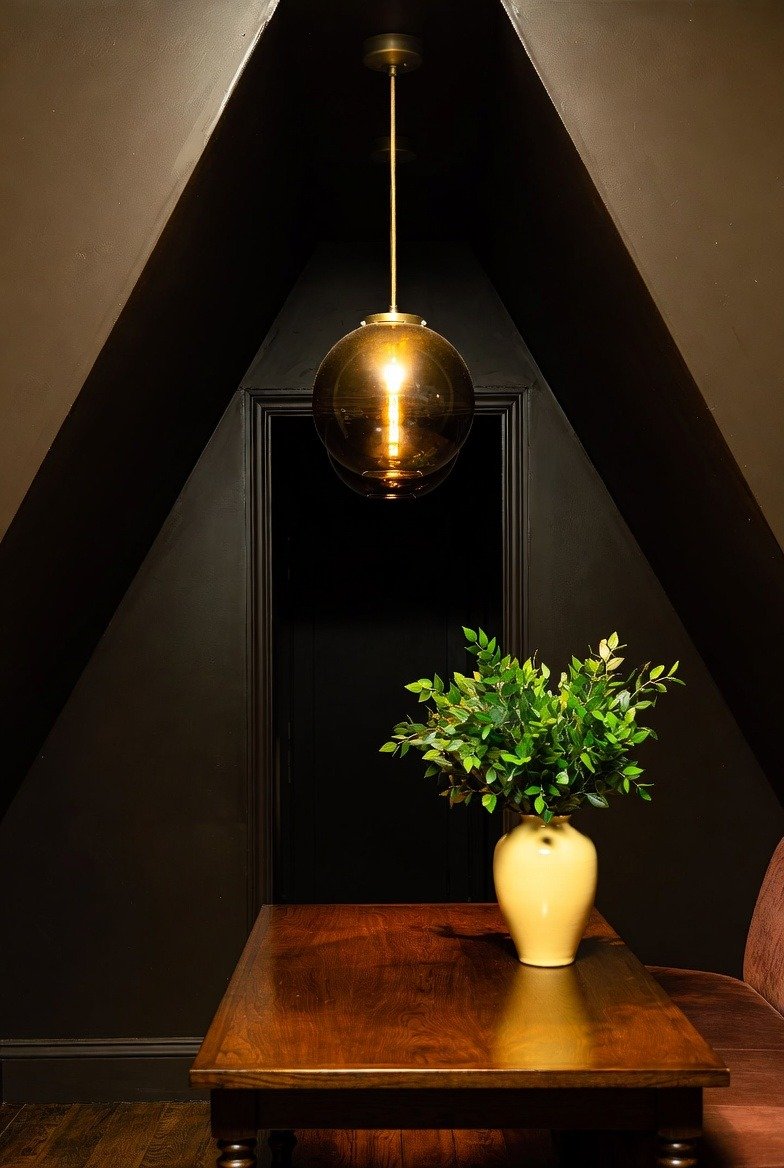
Dark colors scare people, and Plum Noir disarms that fear better than most.
Because it carries warmth, it wraps a room instead of chilling it. A deep plum wall makes the edges of a space dissolve, which reads as cozy and enveloping rather than cramped. It also behaves like a sophisticated neutral once it is on the wall, a “new black” that flatters almost everything you place against it. Brass glows warmer, wood looks richer, greenery pops, and cream upholstery suddenly looks expensive.
How to use Plum Noir, from toe-dip to full plunge
You do not have to commit to painting a whole room to use this trend. Think of it as a dial you can turn as far as your nerve and your lease allow.
Level 1, accents. Start with the low-risk, renter-safe stuff: cushions, a throw, a vase, candles, a piece of art heavy on plum. You get the mood with zero commitment, and nothing needs a landlord’s permission.
Level 2, textiles and one soft piece. Bring in a plum velvet cushion pile, curtains, or a single upholstered chair. Velvet especially loves this color, because the pile catches light and shows off the depth.
Level 3, one piece of furniture. A plum sofa, a painted sideboard, or a headboard makes the color a real presence while keeping the walls neutral. This is the sweet spot for people who want impact without a paint project.
Level 4, an accent wall. One wall of Plum Noir behind a bed or sofa anchors the room and gives you the drama with an easy exit if you tire of it. Renters, peel-and-stick options exist here too.
Level 5, the full drench. Walls, trim, and ceiling all in Plum Noir. This is the most dramatic and, done right, the most magical, especially in a small windowless room where the darkness turns intimate. If you have seen how a fully charcoal-drenched bathroom works in our grey bathroom ideas, the same logic applies here with more warmth. Commit fully or not at all, because a half-painted dark room reads as a mistake.
To see the color living in real rooms across all these levels, our Plum Noir living room ideas post is the visual companion to this guide.
What to pair it with
Plum Noir is generous about neighbors, but a few pairings make it sing.
Warm metals first: brass and gold hardware, lamps, and frames light it up. Then natural texture, rattan, cane, jute, and raw wood, which stop the plum from feeling heavy. Cream and warm white give the eye somewhere to rest. And if you want to follow Pinterest’s own lead, Jade green sits beside Plum Noir for a grounded, jewel-box look the platform specifically paired for 2026. For a full room palette built around it, borrow structure from our living room color schemes.
Where it shines, and where to be careful
Plum Noir rewards rooms you want to feel intimate and a little grown-up. Bedrooms, dining rooms, formal living rooms, a study, or a moody powder room all suit it, and it is a natural for spaces used mostly in the evening under lamplight.
Be more cautious in a small room that already runs dark and gets only cool north light. There, a full drench can tip from cozy to cave. Keep it to accents or one wall in those spaces, add warm lighting, and let the color breathe. Moody should never mean gloomy, a line our post on why a living room feels cold and empty is all about walking.
Who should probably skip it
Honesty helps here. If your style is genuinely light, airy, and coastal, forcing Plum Noir will fight everything you love. If you are staging a home to sell soon, deep drama narrows your buyer pool. And if the room is your only bright, sun-filled space and you rely on that light, do not swallow it in dark paint.
There is no shame in admiring a trend from a distance. Plum Noir is having its moment, but the best color in your home is still the one you actually want to live inside.
Frequently Asked Questions
What colors go with Plum Noir?
Brass and gold, natural textures like rattan and wood, and warm neutrals like cream and camel all pair beautifully. For a bolder, on-trend pairing, Jade green sits alongside it for a rich jewel-box effect. Keep the surrounding tones warm so the plum reads luxurious rather than heavy.
Is Plum Noir warm or cool?
Warm, on balance. Although it is a purple, its burgundy and brown undertones pull it toward the warm side, which is exactly why it feels cozier and more enveloping than a cool charcoal or a true black.
What is the difference between Plum Noir and eggplant or aubergine?
They are close cousins. Plum Noir leans a touch more burgundy and brown, giving it a slightly warmer, wine-like depth, while classic aubergine can run a little cooler and more purple. In practice, if you love one you will likely love the other.
Is Plum Noir hard to live with?
Less than people fear. Used as accents or on a single wall it is very easy to live with and easy to undo. A full drench is a bigger commitment, so start small if you are unsure. Because the color is warm, it tends to feel comforting over time rather than oppressive.
Is Plum Noir just a passing trend?
It is trending now, but deep warm plums have cycled through interiors for decades, including a strong run in the 1990s. Treating it as a rich accent rather than a whole-house theme is the safest way to enjoy it without dating your space.
Final Thoughts
Plum Noir earned its 2026 moment honestly, on the back of real search behavior rather than a marketing push, and it is popular for a good reason: it delivers dark, luxurious drama while staying warm enough to feel like a hug rather than a hole.
Start with accents, turn the dial as far as your space and your courage allow, pair it with brass and natural texture, and respect the rooms where deep color struggles. Do that and you get all the mood with none of the regret.
If you want the wider rules for making any bold color work in a compact home, our small-space decorating 101 guide ties it all together.
