

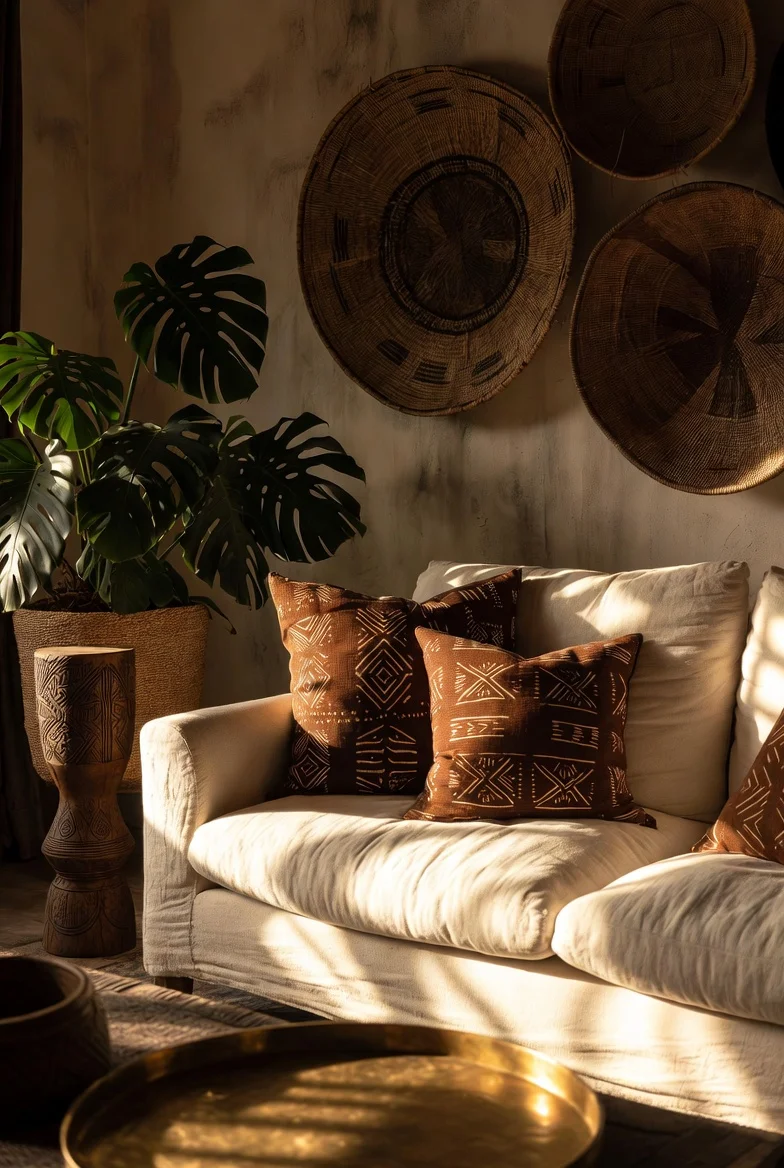
Afrobohemian, the fusion of African design traditions with bohemian ease, sits on the 2026 trend list, and searches have surged accordingly. But the best afrobohemian home decor ideas were never really a trend. They’re a way of living with objects that carry stories: handwoven baskets, mud cloth with its painted symbols, carved wood warmed by generations of craft.
One principle holds this entire article together: afrobohemian style centers African heritage, which means the textiles and objects deserve to be known, credited, and sourced from the people who make them. Done that way, the look gains the depth mass-produced prints can never fake, and your money supports the communities the aesthetic celebrates. Done carelessly, it’s a souvenir shop.
Fifteen ideas, from the first terracotta cushion to the sourcing system that keeps it all honest.
Ground Everything in the Earth Palette
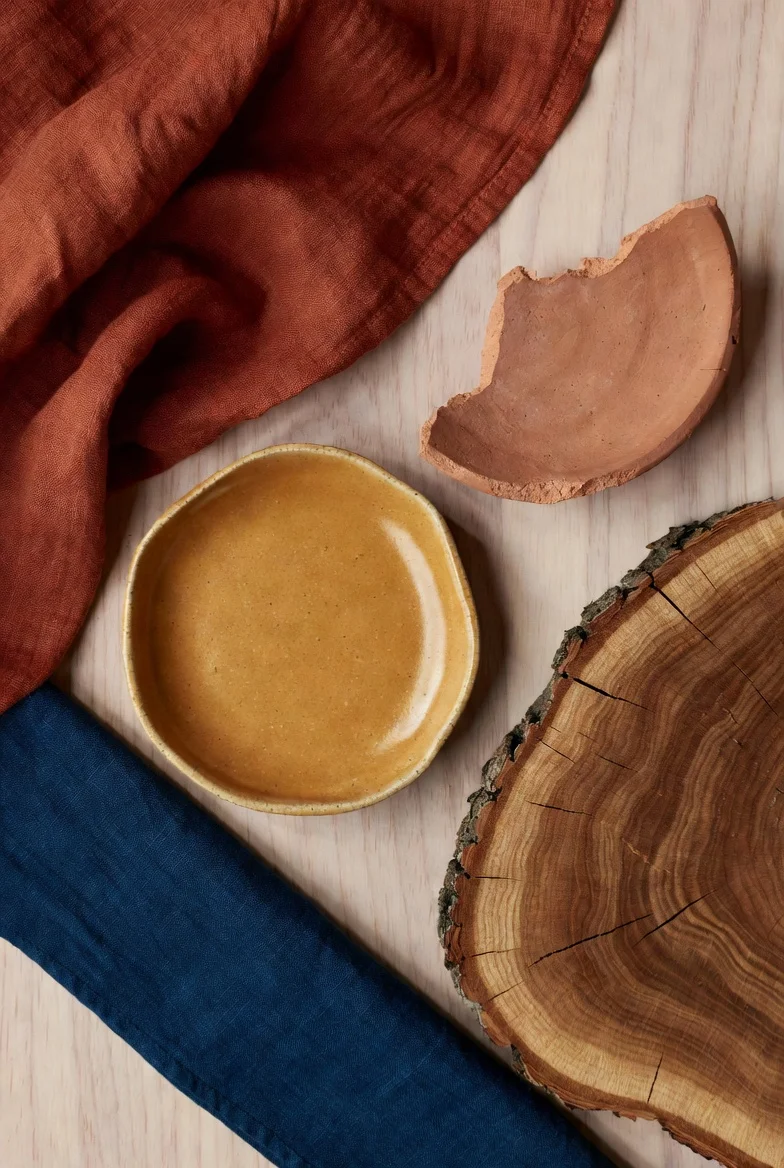
Terracotta, clay, ochre, deep brown, warm cream, muted gold. The afrobohemian base palette reads like soil and sunset, and it’s the reason these rooms feel grounded no matter how layered they become.
Then the pops: indigo, emerald, burnt orange, arriving through textiles rather than paint. Walls stay in the warm neutrals (the same family as earth tone palettes) so the handcrafted layer above them can speak.
Start With One Mudcloth Piece
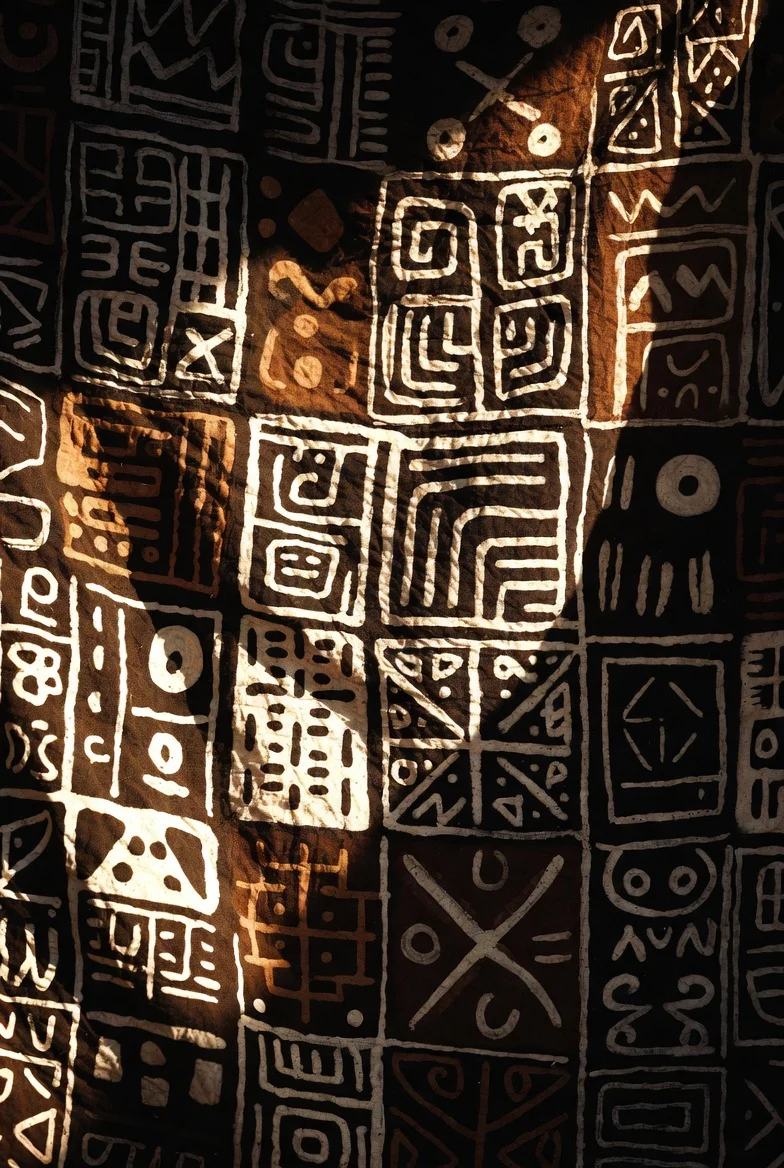
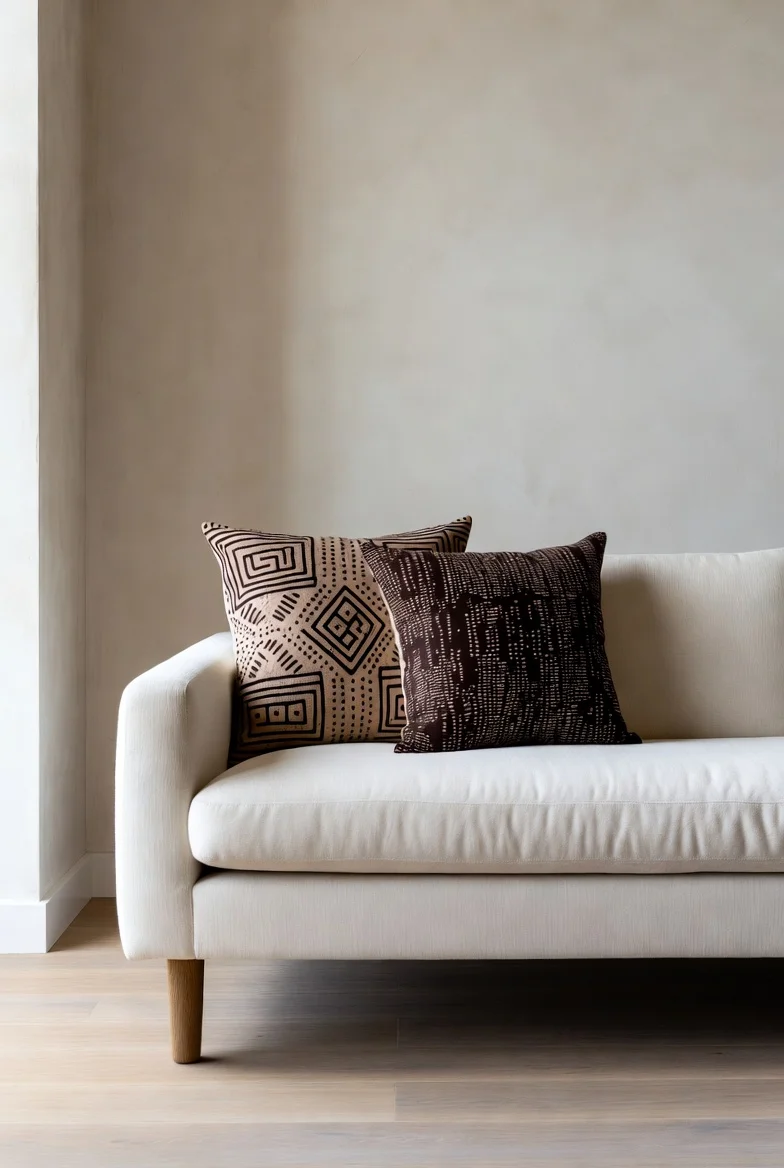
If the style enters your home through a single object, let it be bogolanfini, the hand-painted cotton from Mali known as mudcloth, its geometric symbols traditionally dyed with fermented mud. Two cushions on a neutral sofa, or one throw folded at the bed’s foot, and the room already has its anchor.
Know what you’re buying: authentic mudcloth is handwoven in strips and slightly irregular, and it costs more than the printed imitations for good reason. The real cloth carries the maker’s hand; the knockoff carries a factory’s.
Frame Kente and Kuba as the Art They Are
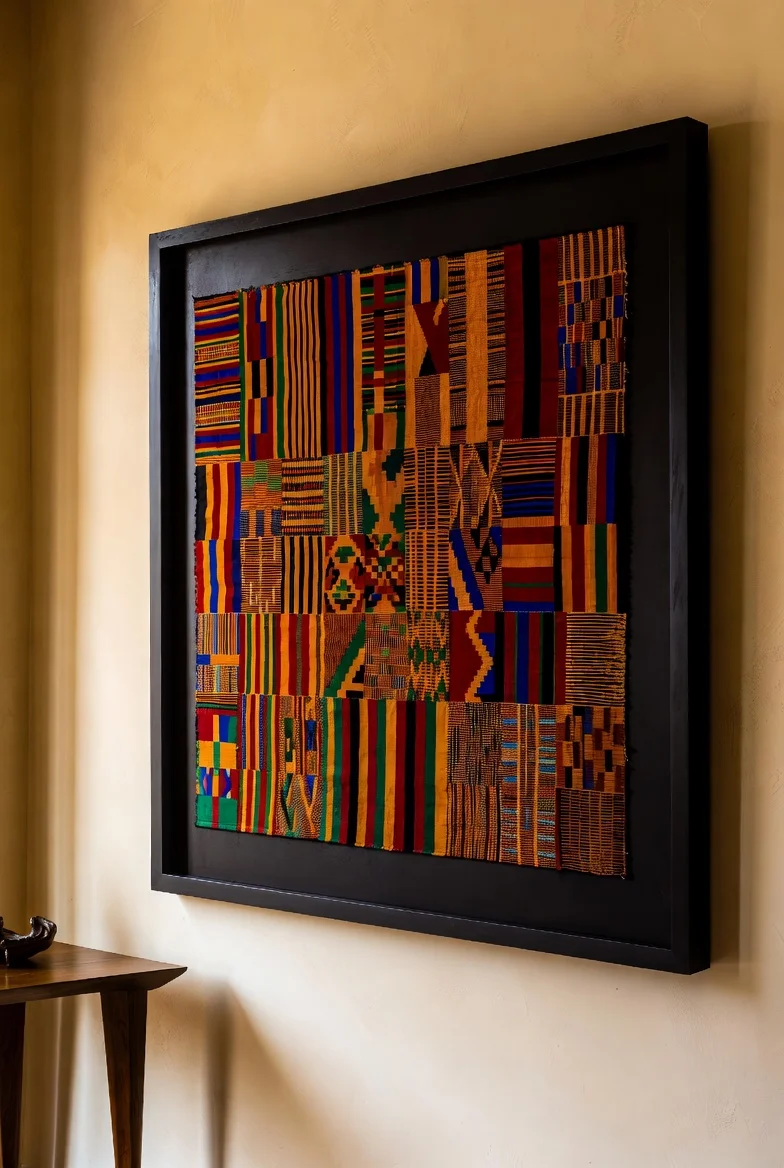
Kente, the vibrant strip-woven silk and cotton of Ghana where colors carry specific meanings, and Kuba cloth, the raffia geometry of the Congo basin, both belong on walls as much as any painting. A single panel in a wide, thin frame, hung slightly higher than instinct suggests, becomes the room’s centerpiece.
Framing does two jobs here: it protects textiles that deserve protecting, and it signals, correctly, that these are artworks with origins rather than yardage.
Build a Basket Wall
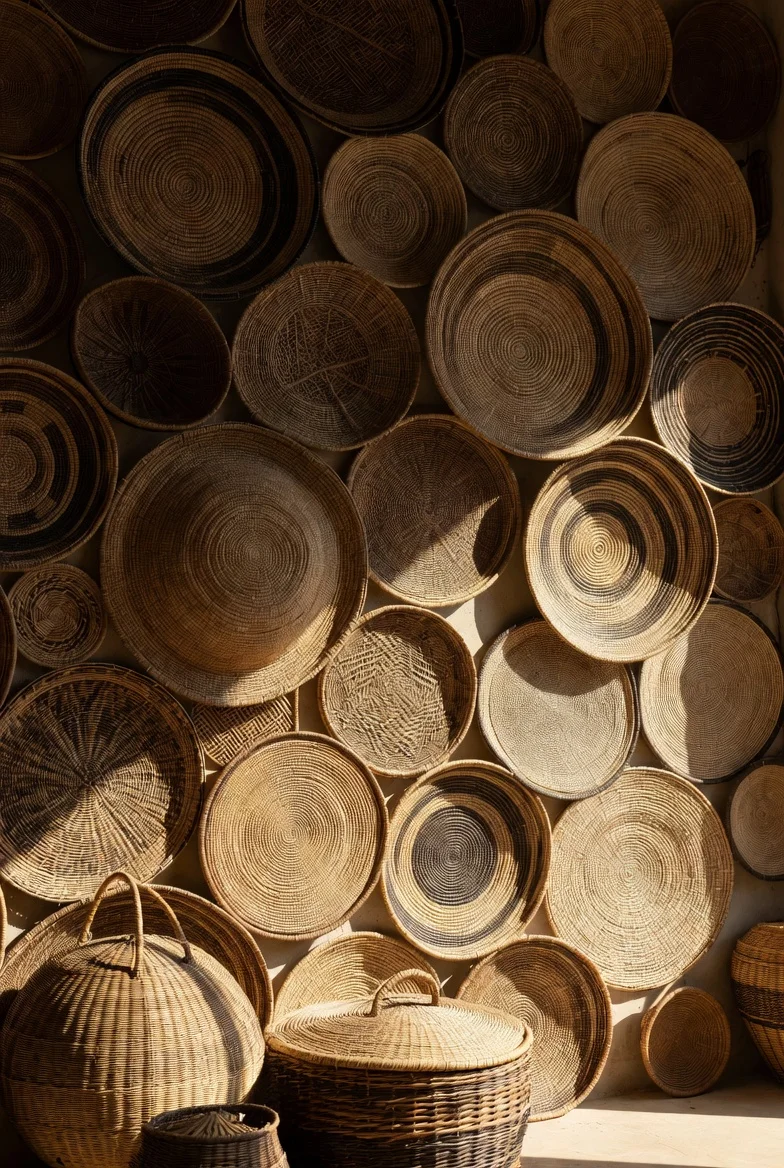
Handwoven baskets clustered on one wall deliver pattern, texture, and sculpture in a single gesture, and every basket is functional art. Ghanaian bolga baskets, Rwandan coiled agaseke, Senegalese storage baskets: vary the sizes, keep the arrangement loose, let the wall breathe between pieces.
Start with five. The wall will tell you if it wants more.
Layer the Floor
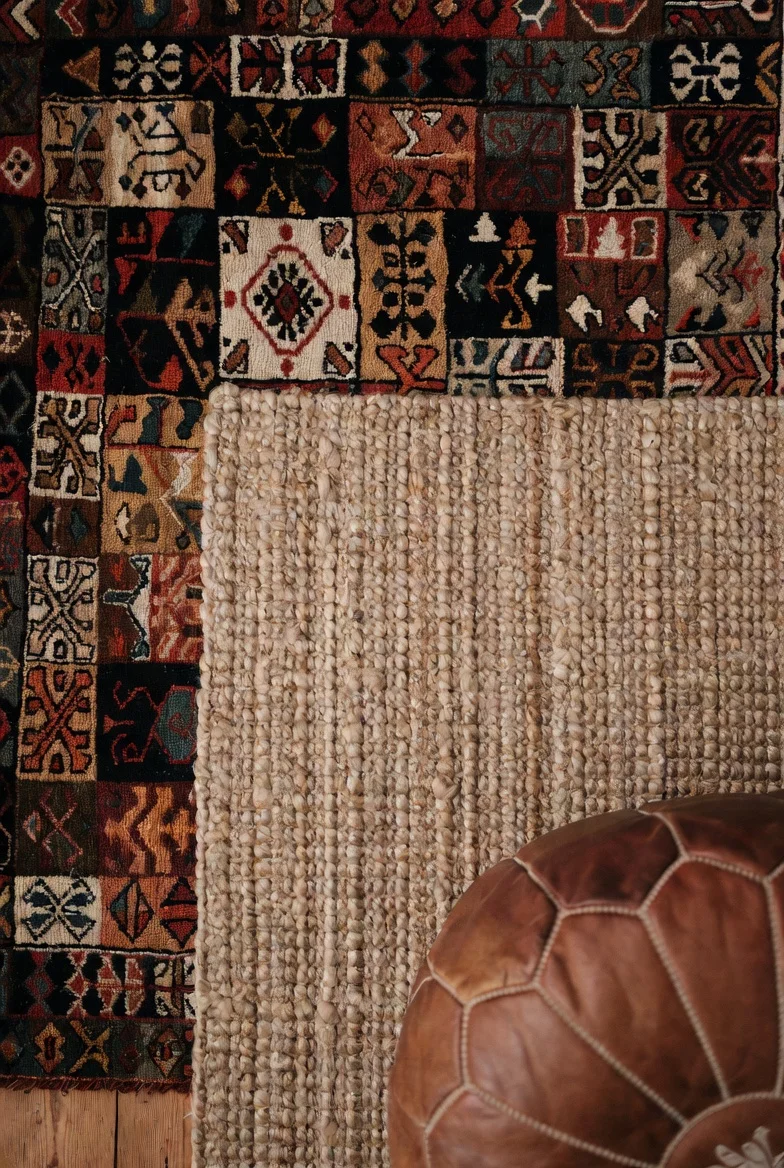
The afrobohemian floor formula: a natural jute or sisal base layer with a patterned or vintage rug on top. Rough weave under soft pattern, the tactile contrast doing quiet work underfoot.
Neutral-toned patterned rugs often serve the style better than rainbow ones; a grounding floor lets the textiles and baskets above carry the color without competition.
Bring In Carved Wood, Carefully
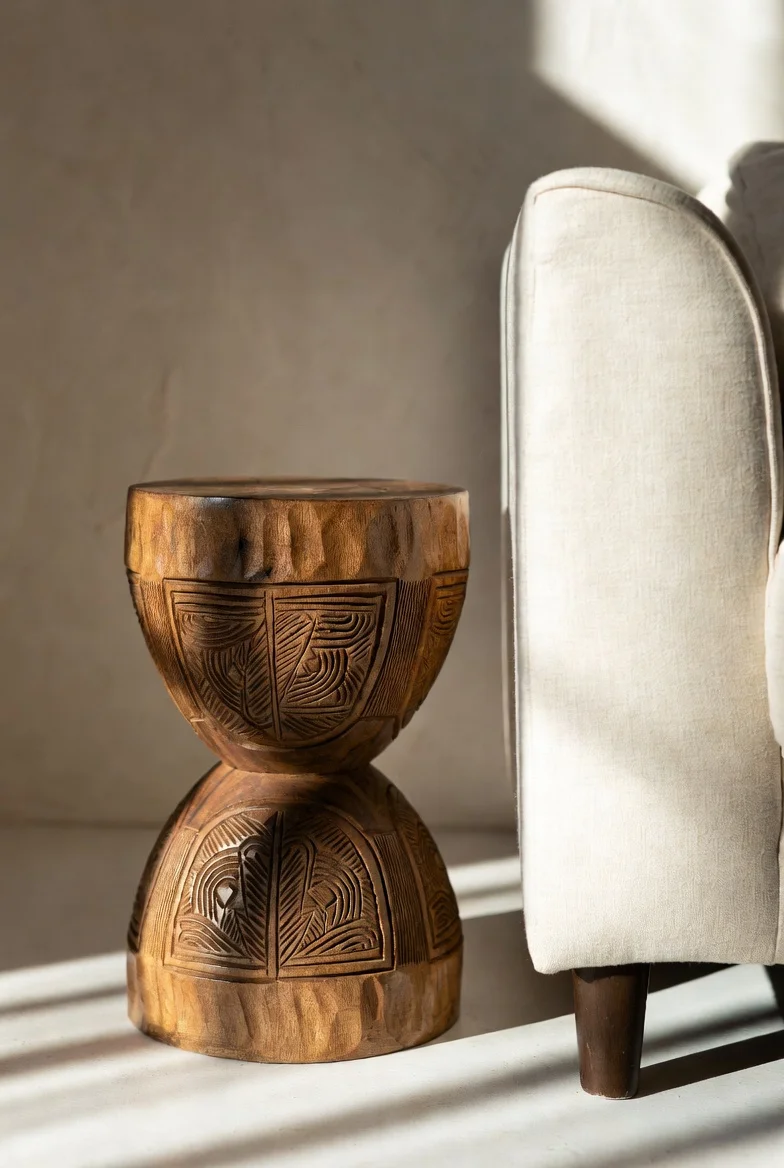
Hand-carved stools, sculptural side tables, wooden bowls worn smooth: carved wood is the style’s backbone material. A Senufo-style stool as a side table or a carved-leg bench in the entry adds weight and history that flat-pack furniture cannot.
On masks specifically: many carry ceremonial significance, and treating them as casual props flattens what they are. If masks speak to you, buy contemporary decorative pieces made for display, learn what you’re hanging, and give it wall space with intention rather than crowding it into a gallery of randomness.
Weave the Room: Rattan, Raffia, Seagrass
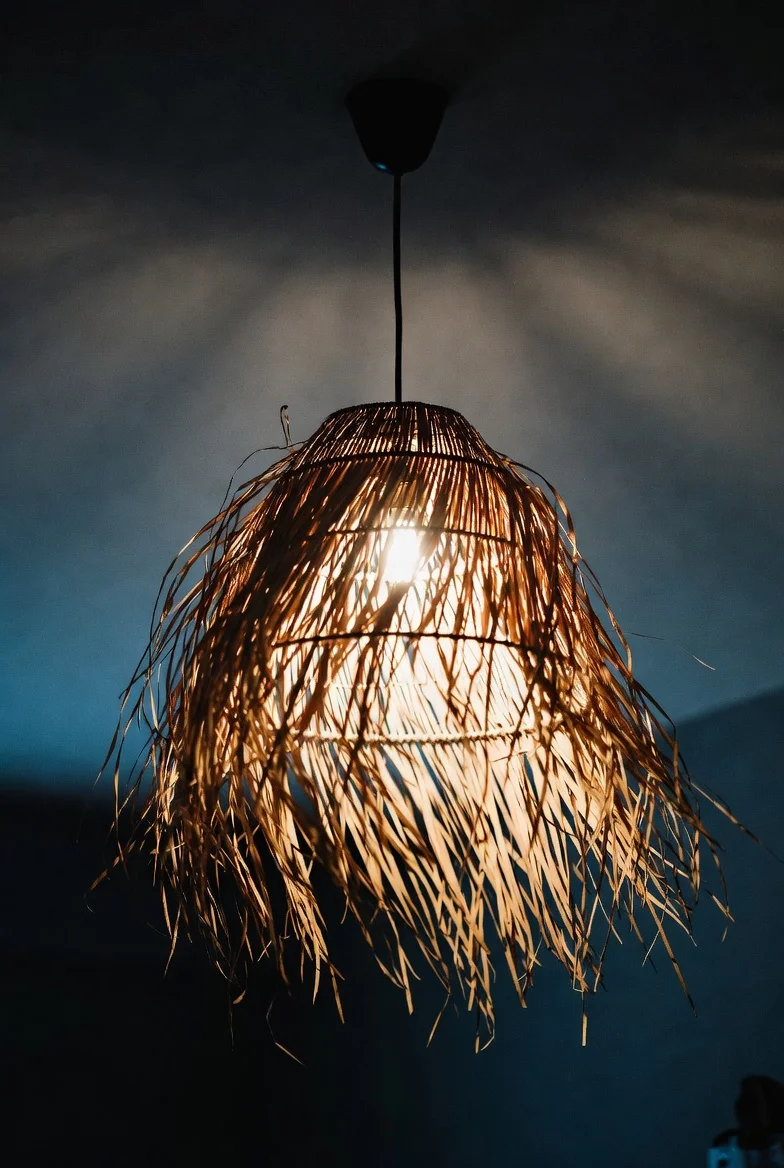
The bohemian half of the fusion arrives through woven everything: a rattan chair, raffia pendant shades, seagrass planters, a cane room divider. These pieces keep heavily layered rooms feeling light and breathable, air moving through every surface.
Two or three woven statements per room. The style layers textiles generously but keeps furniture silhouettes from crowding.
Lower the Seating
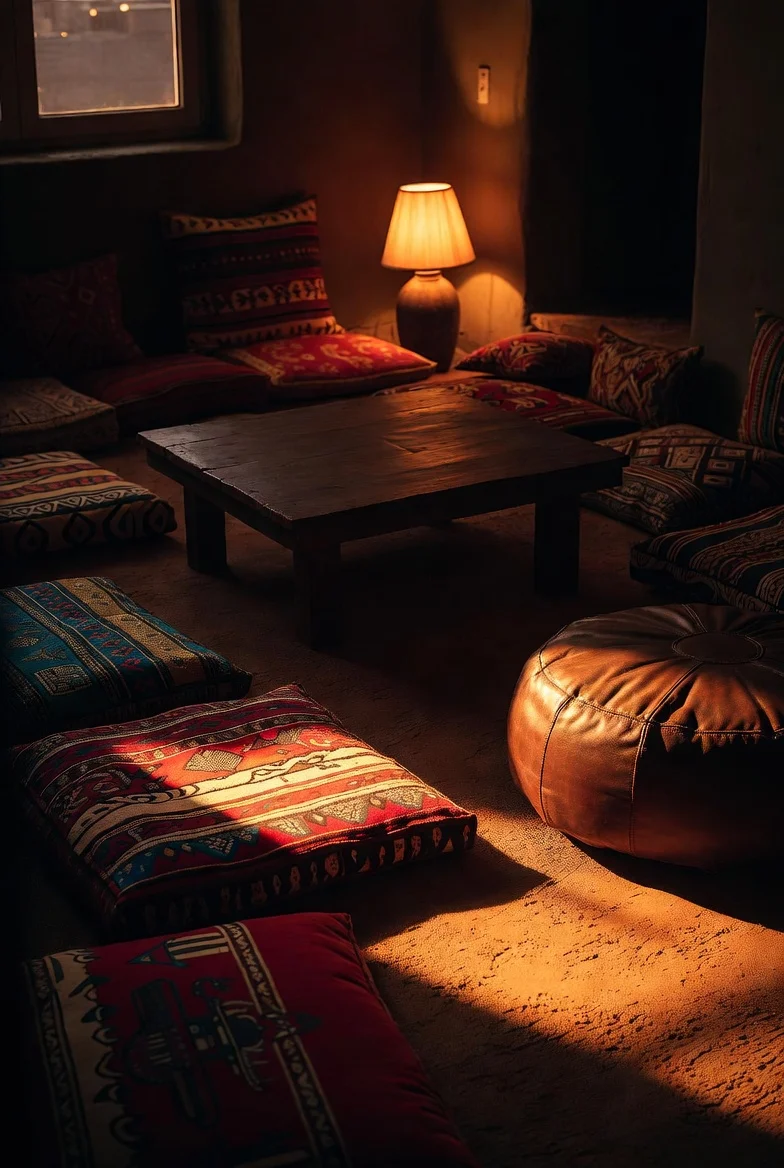
Floor cushions in bold prints, leather poufs, a low handwoven bench: the seating layer closest to the ground is where afrobohemian rooms earn their relaxed, gather-round character.
It’s also the cheapest structural change in this article. Two floor cushions transform how a living room gets used on a Friday night.
Warm It With Brass and Aged Metal
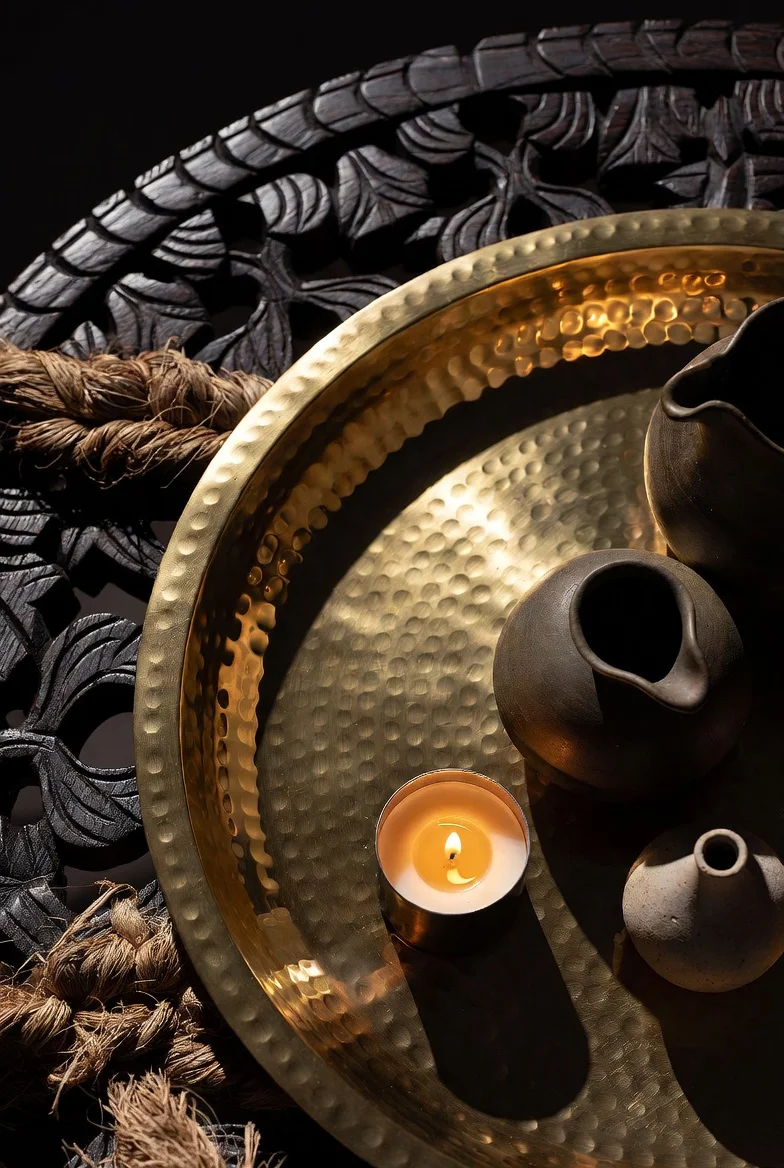
Hammered brass trays, warm metal candlesticks, a brass-framed mirror. Against all the fiber and wood, small metallic moments add the glow the style’s photographs are famous for, especially by evening lamplight.
Brass over chrome, aged over polished, always. Cool shiny metal belongs to a different aesthetic entirely.
Plant It Like You Mean It
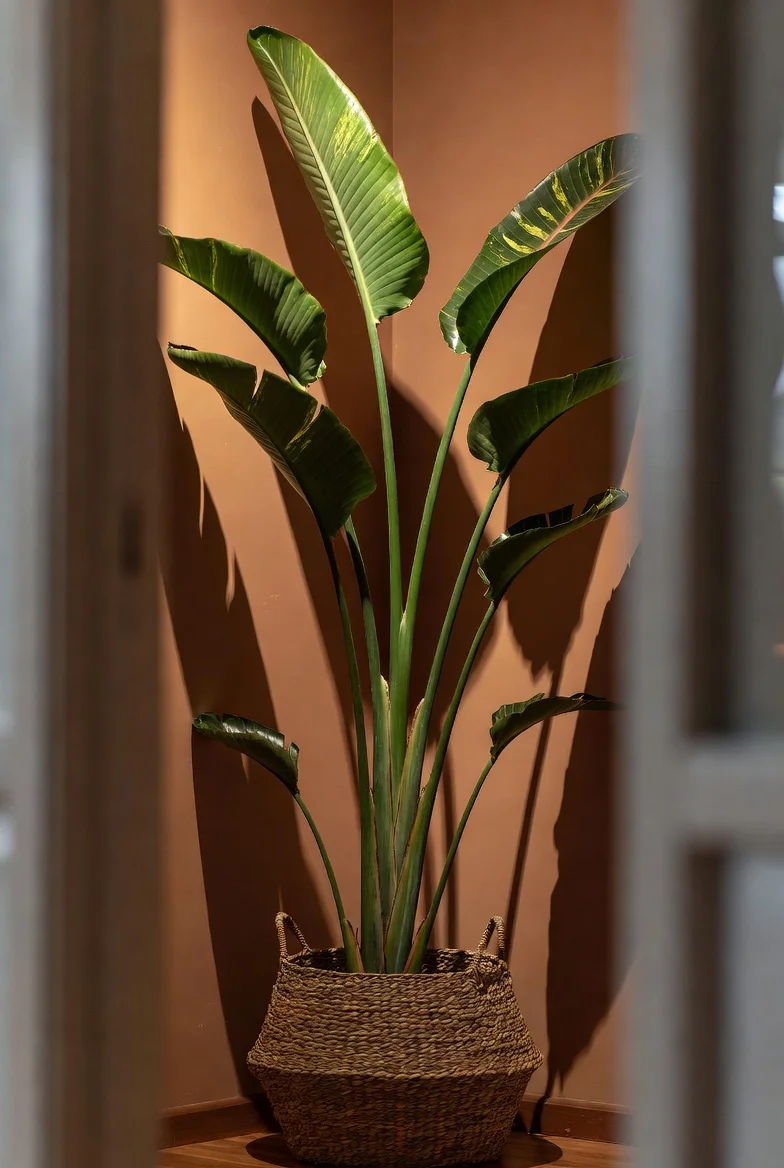
One large sculptural plant minimum: a fiddle-leaf fig, a monstera, a bird of paradise whose leaf shapes echo the organic forms running through the textiles and carvings. Woven baskets and terracotta pots keep the planters inside the material story.
Greenery is not optional decoration in this style; it’s the living layer that makes all the earth tones make sense.
Keep One Foot in the Modern
Here’s the rule that separates soulful from souvenir shop: contrast. A clean-lined contemporary sofa under the mudcloth cushions. A minimal dining table beside the carved bench. The modern base lets each handcrafted piece read as chosen art instead of theme-park set dressing.
The working ratio: neutral modern foundations, heritage pieces as the layer on top, tones echoed across the room so old and new speak to each other. When everything is patterned and carved, nothing is.
Hang a Storytelling Gallery Wall
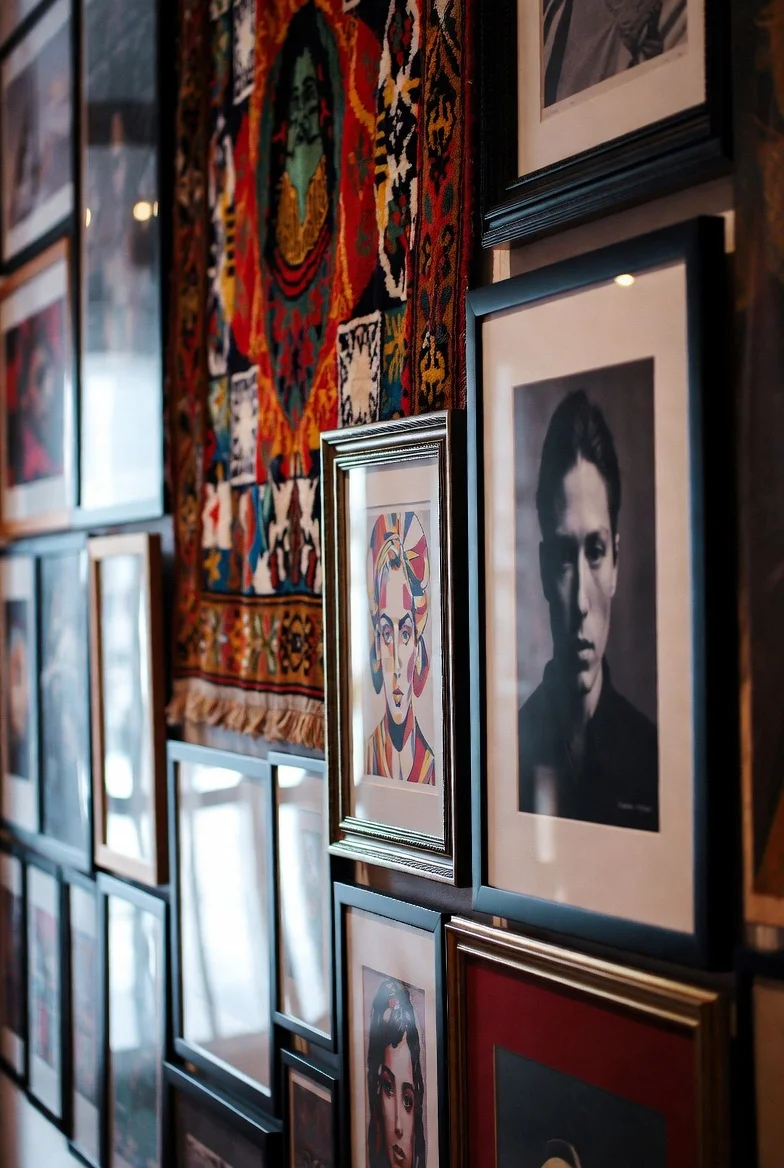
Mix framed textile panels, portrait art, black-and-white photography, a woven wall piece, maybe a vintage map. Vary the frames but keep the palette family tight, and let the wall grow over time rather than installing it complete.
The best afrobohemian gallery walls read like autobiographies. The worst read like a single shopping trip. Time is the difference.
Take It Into the Bedroom
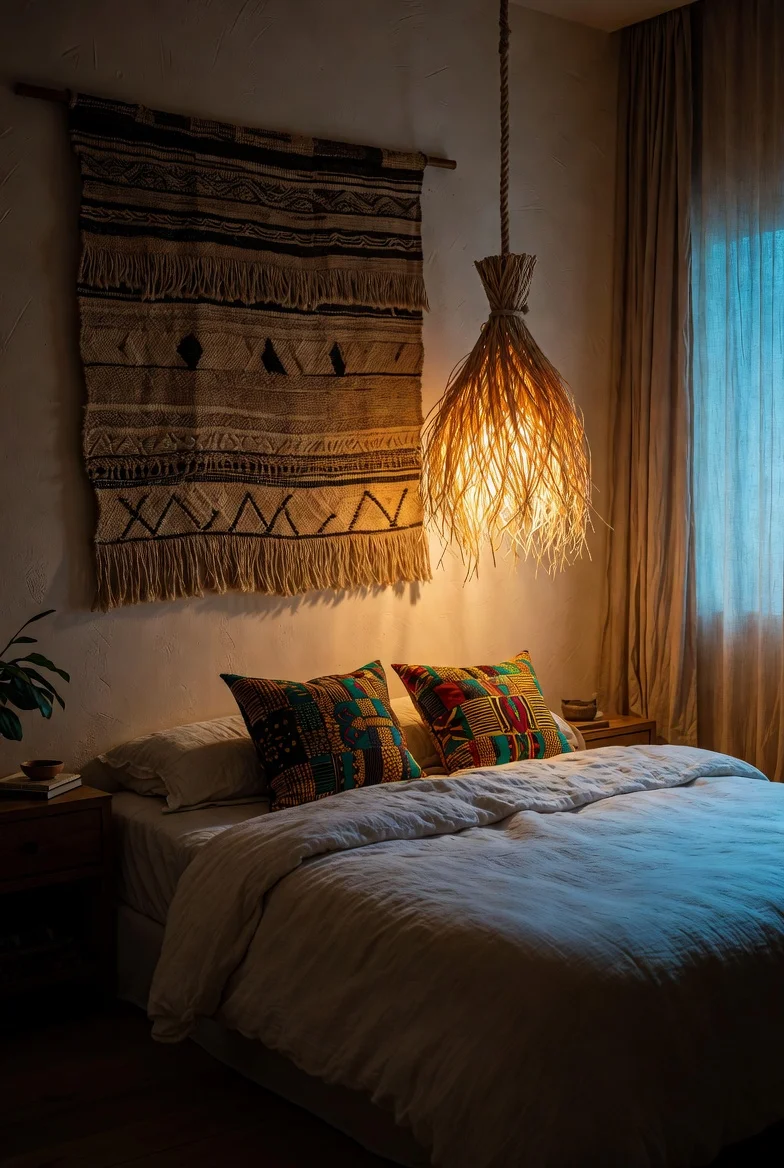
The bedroom version distills beautifully: crisp neutral linens as the calm base, mudcloth or Ankara-print accent pillows, a Kuba panel or woven piece above the headboard, a low bench at the bed’s foot, warm lamplight through a raffia shade.
The small bedroom logic applies fully: in tight rooms, one strong textile moment and one woven light fixture outperform ten small accessories.
Source It Right
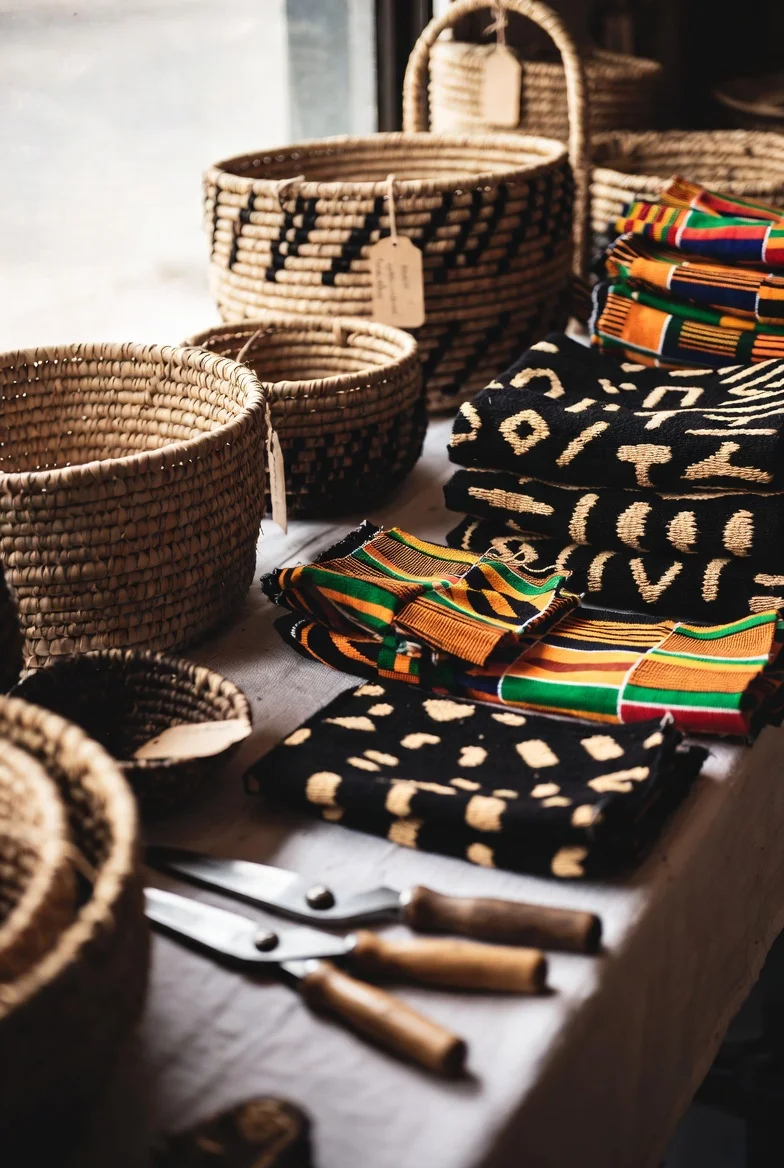
The idea that makes every other idea better. In order of preference: buy directly from African artisans and Black-owned makers (platforms and shops dedicated to continental craft have multiplied), then fair-trade cooperatives, then vintage and secondhand, where authentic older pieces surface at honest prices.
What to avoid: mass-produced “tribal print” imitations that copy the patterns while cutting the makers out entirely. The test is simple: can the seller tell you where the piece is from and who made it? A yes means your room gains a story and a community gains income. That exchange is the entire soul of this style.
Build Slow and Let It Be Yours
Afrobohemian rooms cannot be installed in a weekend, and that’s their protection against looking staged. One textile this month. A basket found at a market next season. The stool that took a year to appear.
Include your own story in the layers: inherited objects, travel finds, art that moved you. The style’s deepest rule is that the home should read as one life, collected, and no shopping list, including this one, can shortcut that.
3 Mistakes That Undo the Style
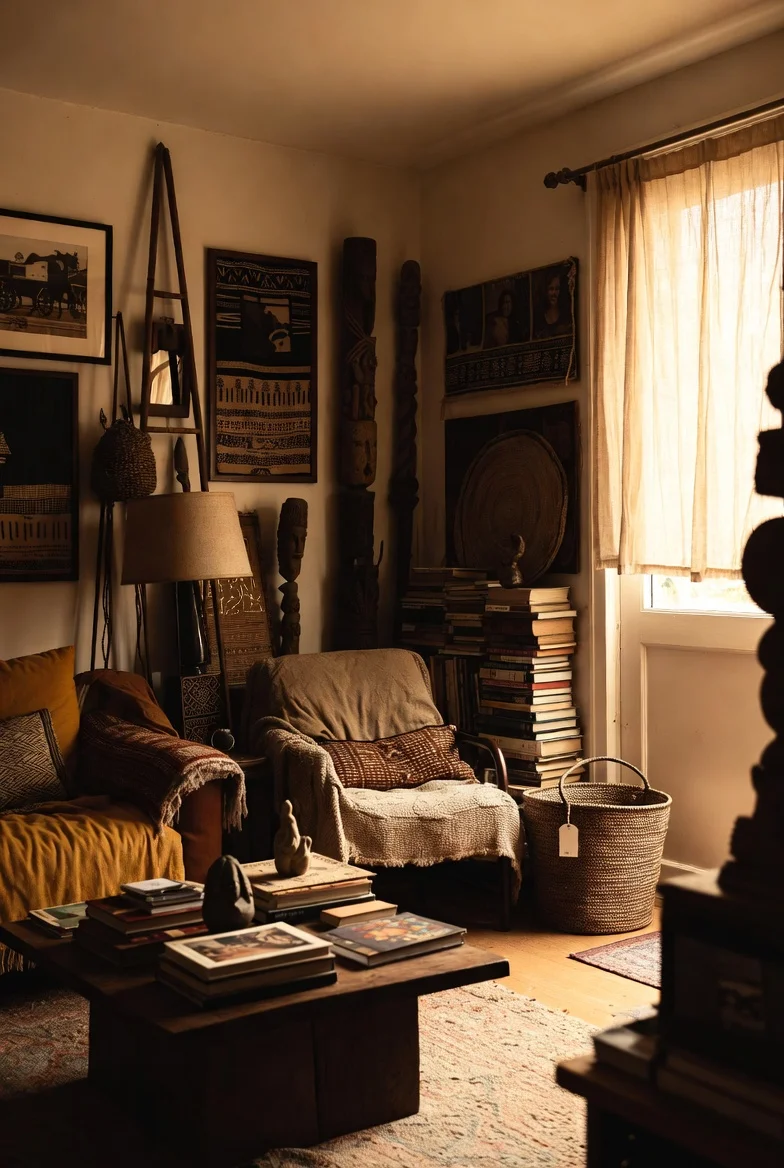
The souvenir-shop effect. Every surface patterned, carved, and “African-themed” at once reads as costume, not home. The modern-base contrast rule (idea eleven) exists precisely to prevent it.
Buying the knockoff print. Factory-printed imitation mudcloth and kente drain the style of exactly what gives it meaning, and the savings are smaller than they look. One authentic piece beats five imitations in every way that matters.
Treating cultural objects as random props. Masks, ceremonial-style pieces, and symbolic textiles deserve to be known and placed with intention. Five minutes of learning what a piece is transforms how it lives in your home.
FAQs
What is afrobohemian (afrohemian) decor?
It’s a fusion style centering African design traditions, textiles like mudcloth, kente, and kuba cloth, carved wood, woven baskets, within bohemian principles of layering, natural materials, and collected-over-time styling. Pinterest named it an official 2026 trend, though the traditions behind it are generations deep.
What colors define the afrobohemian palette?
Earth first: terracotta, clay, ochre, deep brown, warm cream, and muted gold, with saturated pops of indigo, emerald, and burnt orange arriving through textiles. Walls typically stay warm-neutral so the handcrafted layer carries the color.
How do I decorate afrobohemian style authentically?
Source from African artisans, Black-owned makers, and fair-trade cooperatives where possible; learn the origins of the textiles you display; and favor one authentic piece over several imitations. Authenticity here is less about rules and more about whether the objects carry real stories and support their makers.
What’s the difference between afrobohemian and regular boho?
Standard bohemian style draws loosely from global influences; afrobohemian specifically centers African and diaspora design traditions, West African textiles, carved wood, basketry, within the boho framework of layering and ease. The heritage is the point, not a flavor.
Can I do afrobohemian style in a small apartment or rental?
Easily; the style’s most powerful moves are renter-proof: textiles, floor cushions, baskets, plants in woven planters, a leaning framed kente panel, and warm lamps with raffia shades. One strong textile moment per room outperforms crowding, especially in small spaces.
Final Thoughts
Afrobohemian decor rewards exactly what trends usually punish: patience, curiosity, and care about where things come from. Start with the earth palette and one honest piece of cloth, keep a modern foundation under the layers, and let the room accumulate its stories at a human pace.
The trend chart says 2026. The baskets, the cloth, and the hands that made them were never in a hurry.
