

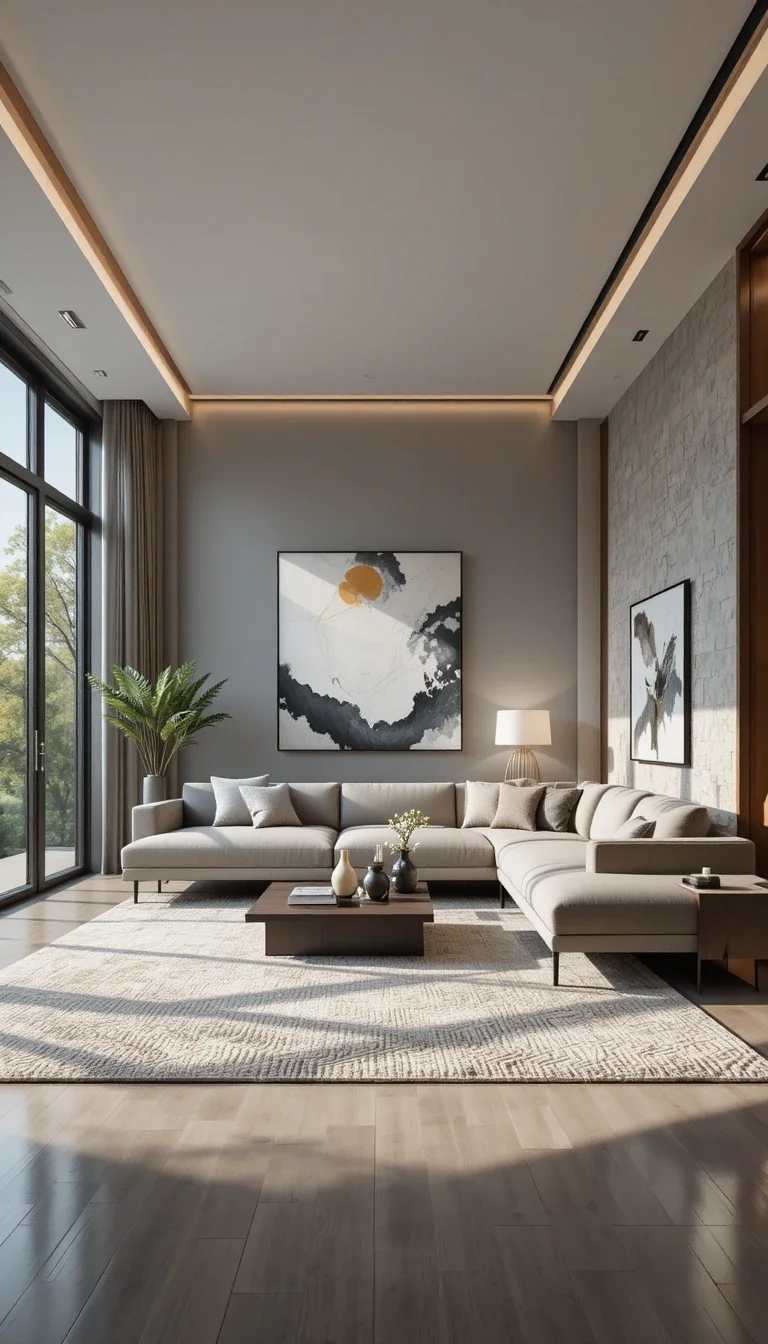
A rectangle living room can be tricky to style. The room is long, the walls feel far apart, and one end often turns into a spot you never use. Most rectangle living room ideas online tell you to just add more furniture. That usually makes it worse.
The real trick is structure, not stuff. Split the length into zones, pull the sofa off the wall, and use rugs and lights to break up the long shape. Do that, and a long room starts to feel calm and full of purpose.
Here are 16 ideas that actually work in a real home. Start with the one that fixes what bugs you most when you walk in.
Split the Room Into Two Zones
The best thing you can do in a long room is stop treating it as one big space. Break it into two areas. The main area holds the sofa and the TV. The far area becomes a reading corner, a small desk, or a coffee spot. Now every part of the room has a job, and nothing feels empty.
This is the same trick hotel lobbies use for long spaces. Give each zone its own rug or its own lamp, and the split reads clearly.
Float the Sofa Off the Wall
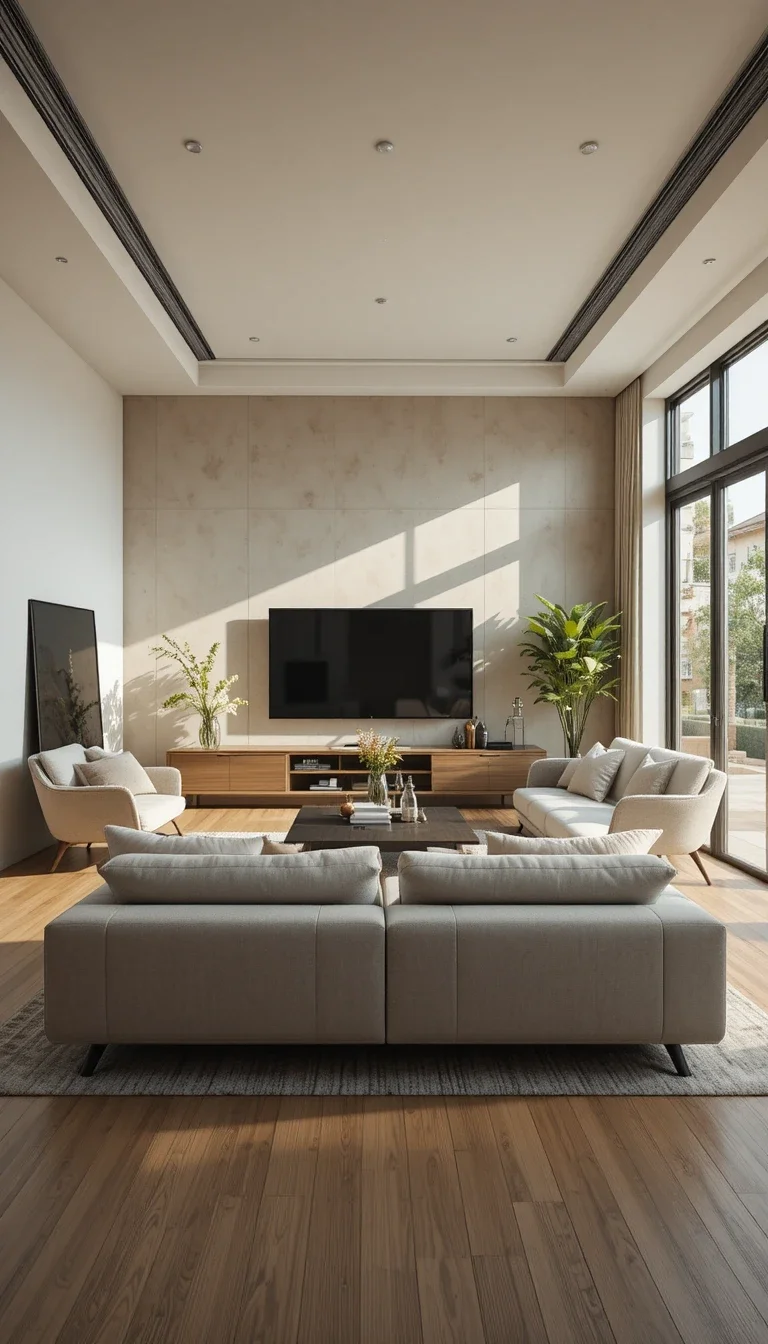
Pushing every piece against the walls is the fastest way to make a room feel like a hallway. Try pulling the sofa forward instead. Leave 30 to 45 cm of space behind it. That gap becomes a walkway, and the room suddenly feels like it has depth. The back of the sofa also acts as a natural line between your two zones.
Slide a slim table behind it for lamps, and the divide looks planned. It feels odd the first time. I tried it in a long rental, moved the sofa back twice thinking it was wrong, then left it floating. The room felt twice as open.
Give Each Zone Its Own Rug
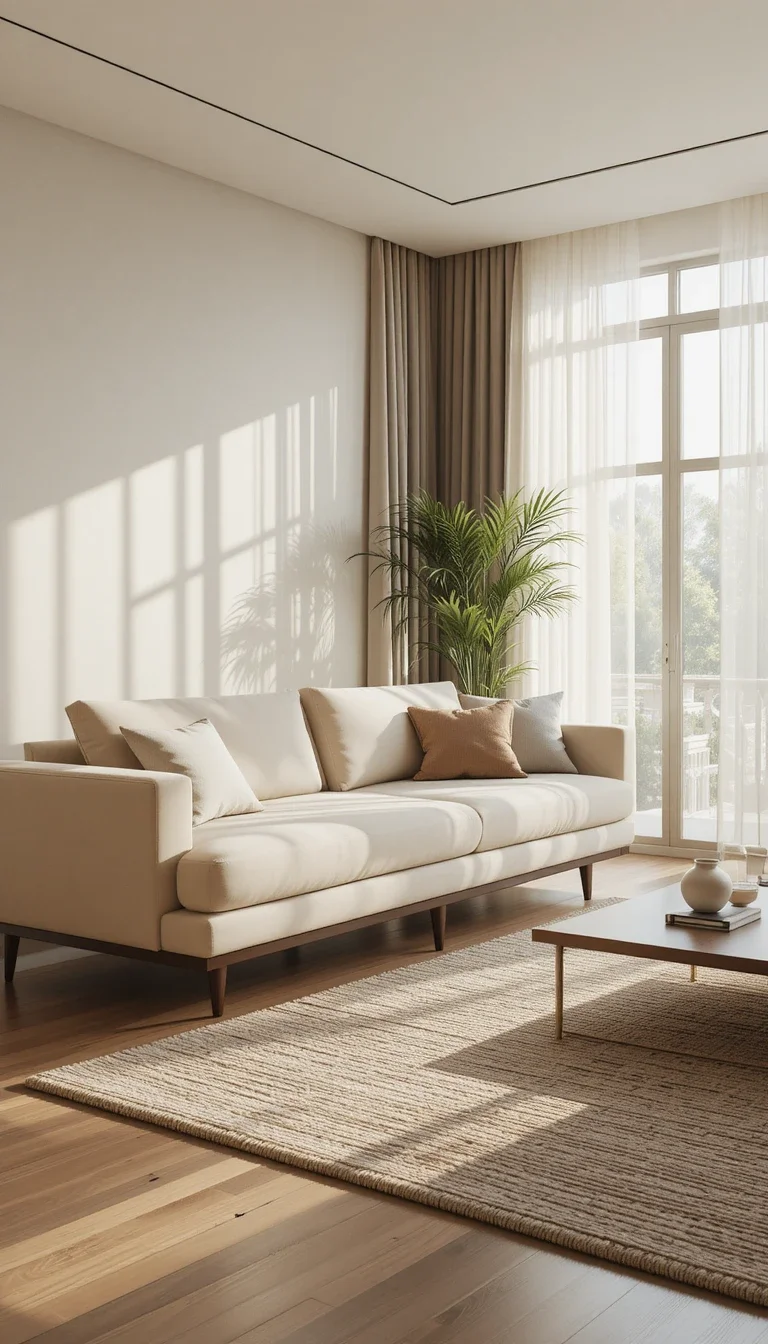
A rug marks a zone without building anything, so a long room does better with two rugs than one giant one. Size is what matters here, more than the pattern. The front legs of every chair and sofa should sit on the rug. A rug that is too small leaves your furniture looking lost and makes the room feel even longer. Go big in the main zone. A smaller rug is fine in the far corner, just to signal the change.
Add a See-Through Divider
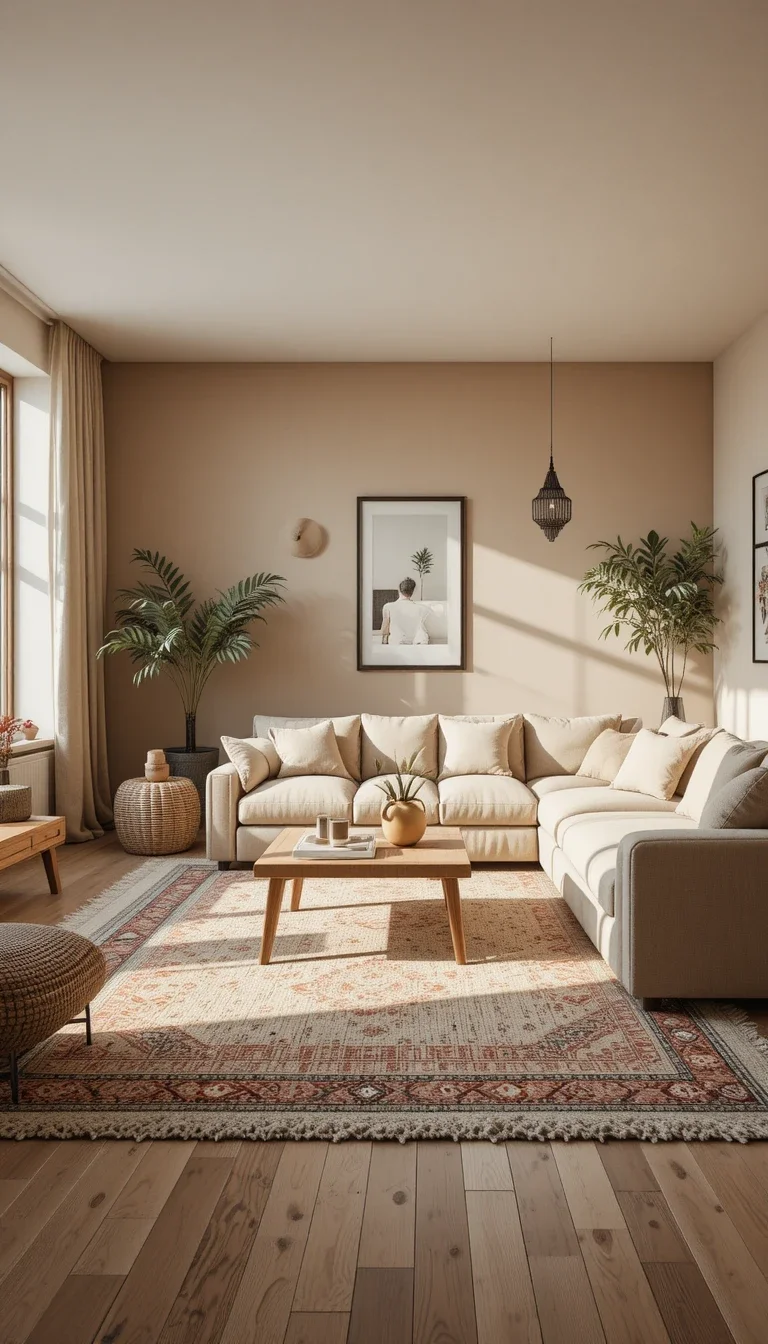
Sometimes a long room needs a real break, but a solid wall would block the light. Open the dividers and fix this. A slatted wood screen, an open shelf, or a glass panel splits the space while light still passes through. Place an open bookshelf across the room, between your two zones, and it reads like two rooms with zero building work. Keep the back open and style both sides, since both zones will see it.
Run the Lighting Along the Length
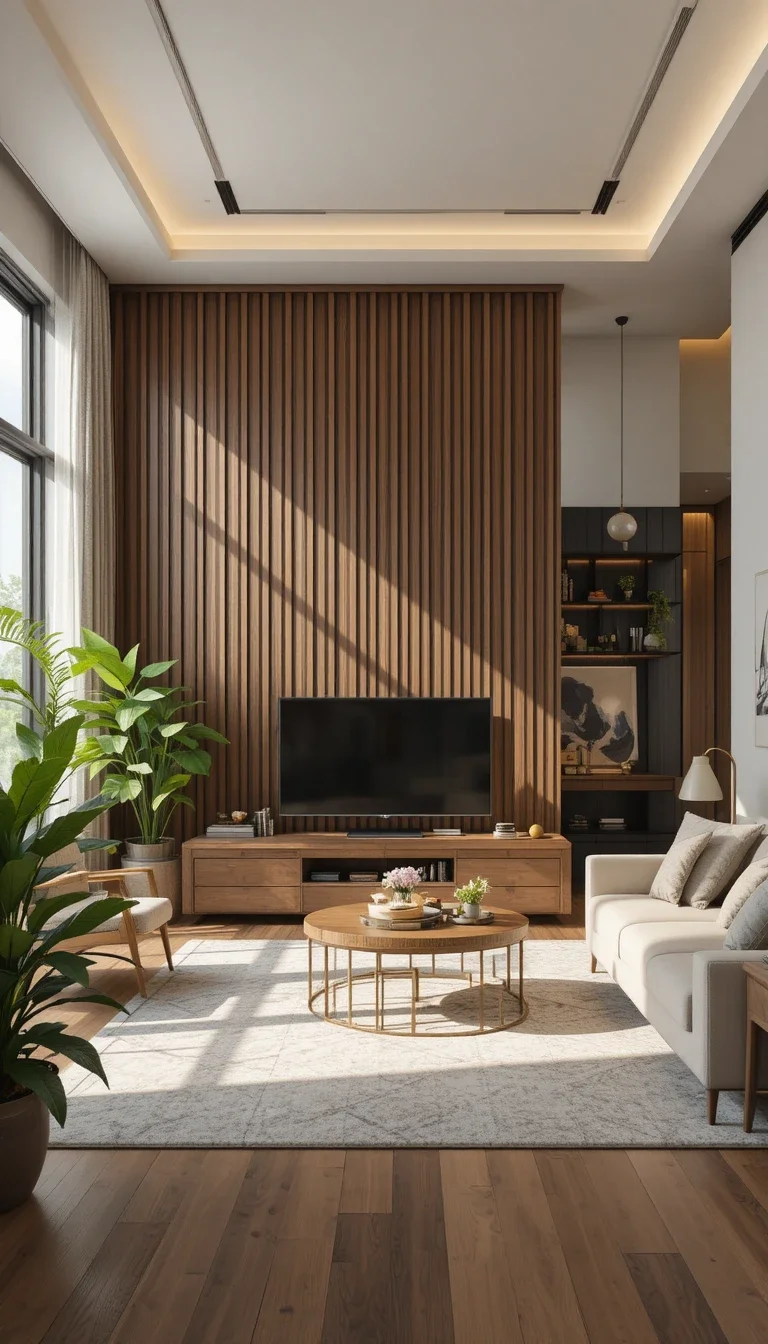
A long room already pulls your eye down its length. Work with that instead of fighting it. A row of pendant lights or one long fixture down the centre feels planned, not stretched. But the bigger fix is lighting each zone on its own. One ceiling light leaves a long room half dark, like a tunnel. Give the main zone its own lamps and the far zone its own, all in warm bulbs, so both ends feel alive after dark.
Balance Symmetry, But Not Too Much
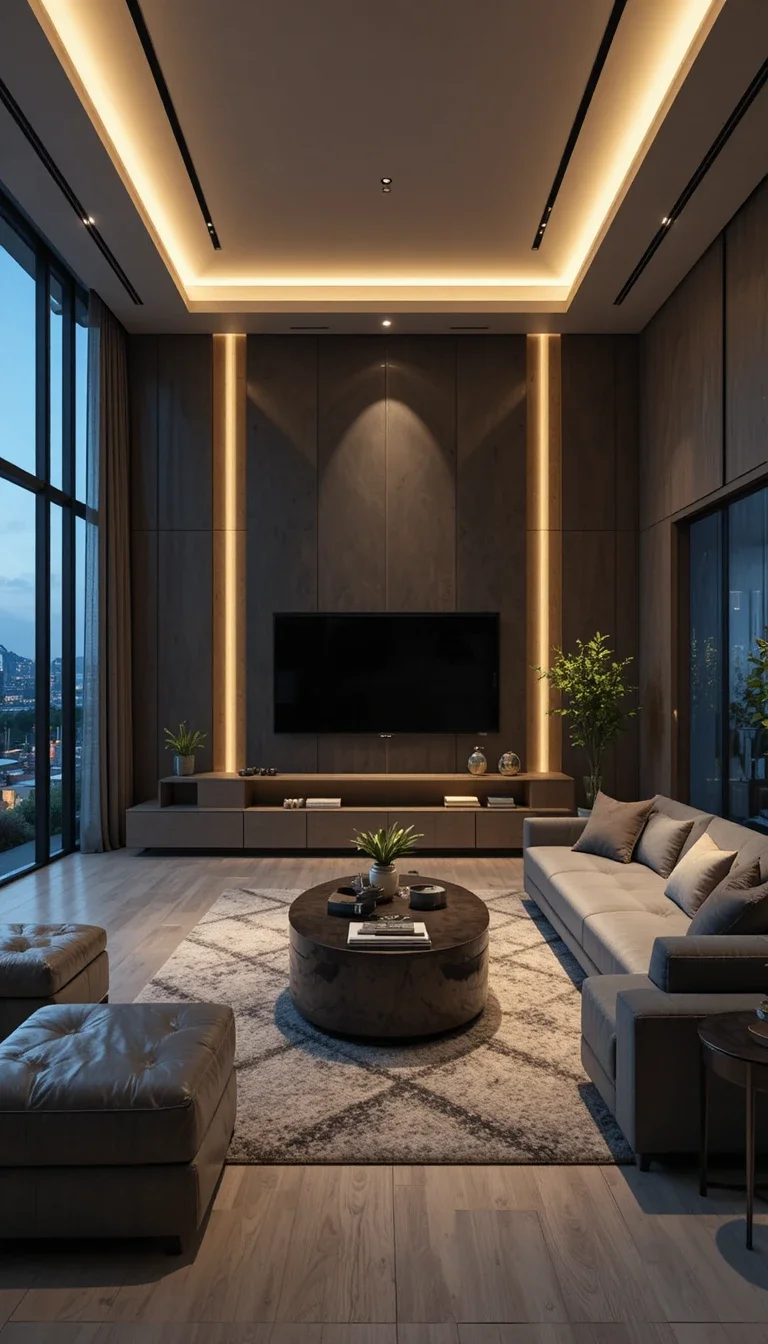
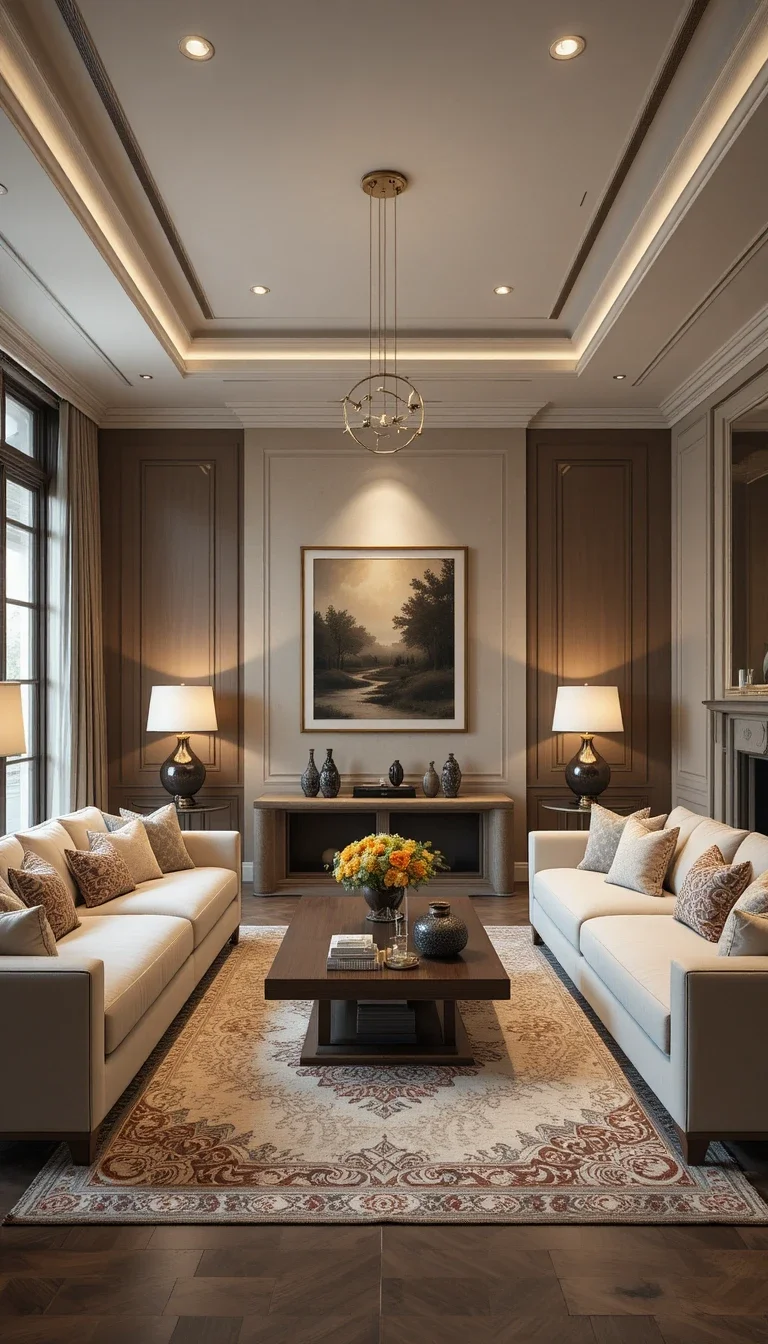
Symmetry calms a busy room. Too much of it turns your home into a showroom. Here is the sweet spot. Match the big things, change the small ones. Use two matching side tables, but let the lamps and decor differ. Balanced weight on each side feels calm. A perfect mirror-image of everything feels stiff. In a long room, a little difference in the details keeps it feeling like a home.
Pick One Strong Focal Wall
Every rectangle room needs one wall that tells your eye where to stop. Without it, your eye drifts down the length looking for a place to rest.
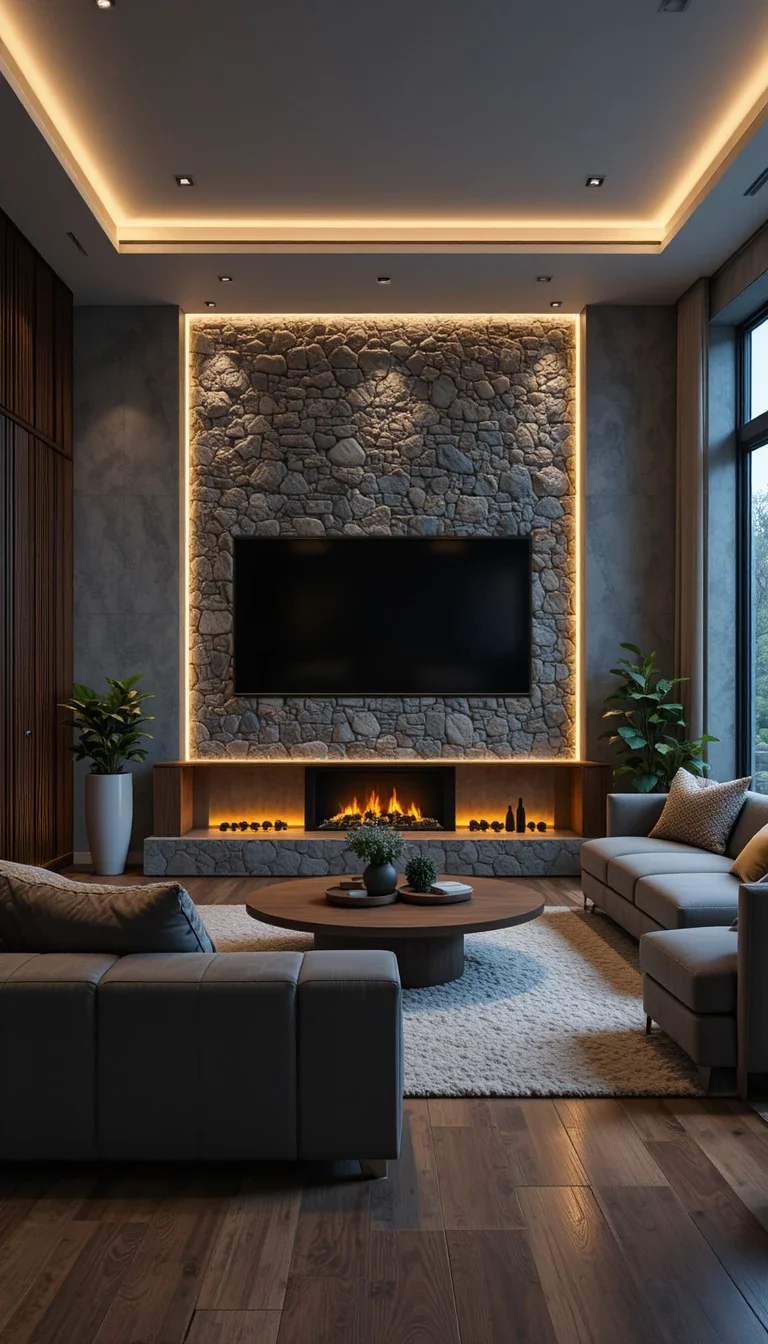
Choose one wall and make it the star. A TV wall, a stone or textured wall, a fireplace, or one big piece of art all work well. The focal wall pulls attention across the room’s width instead of its length. That is exactly what a too-long space needs. Keep the other walls quiet
Use a Sectional to Shape the Space
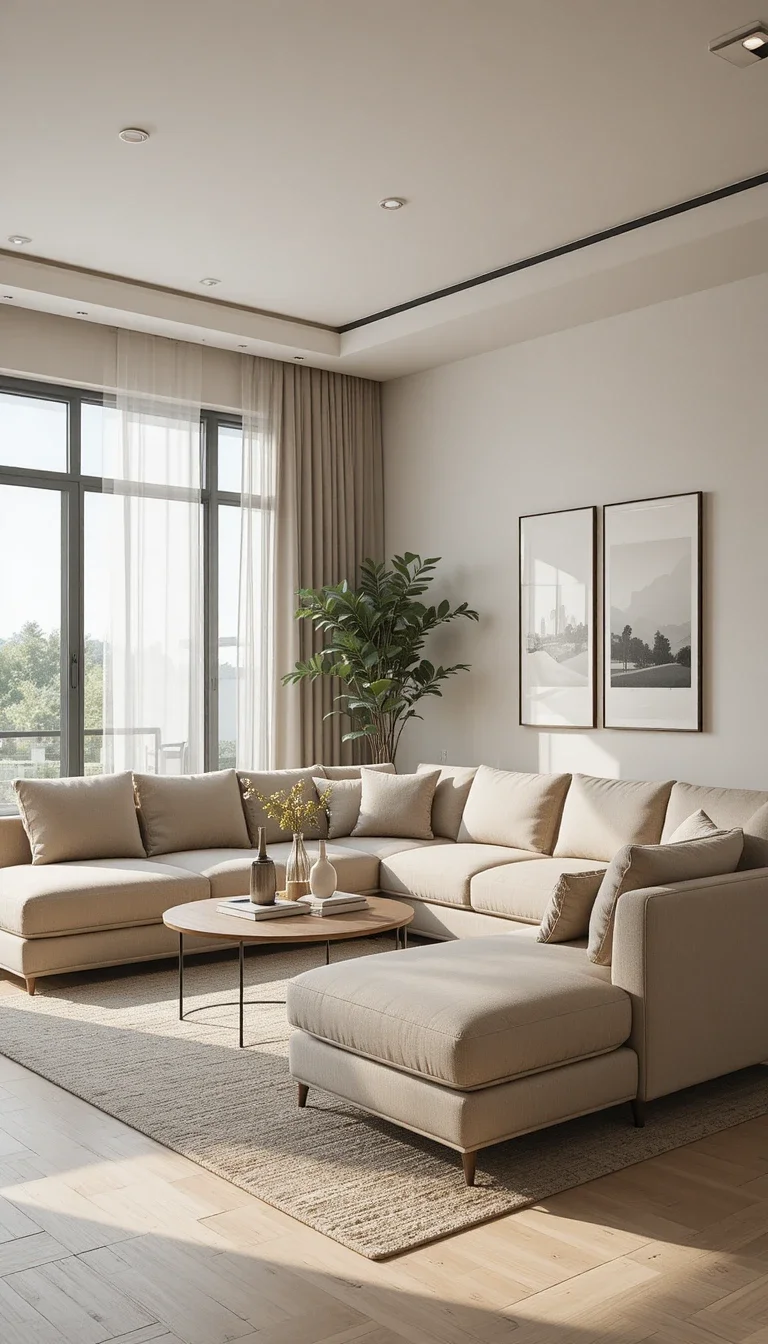
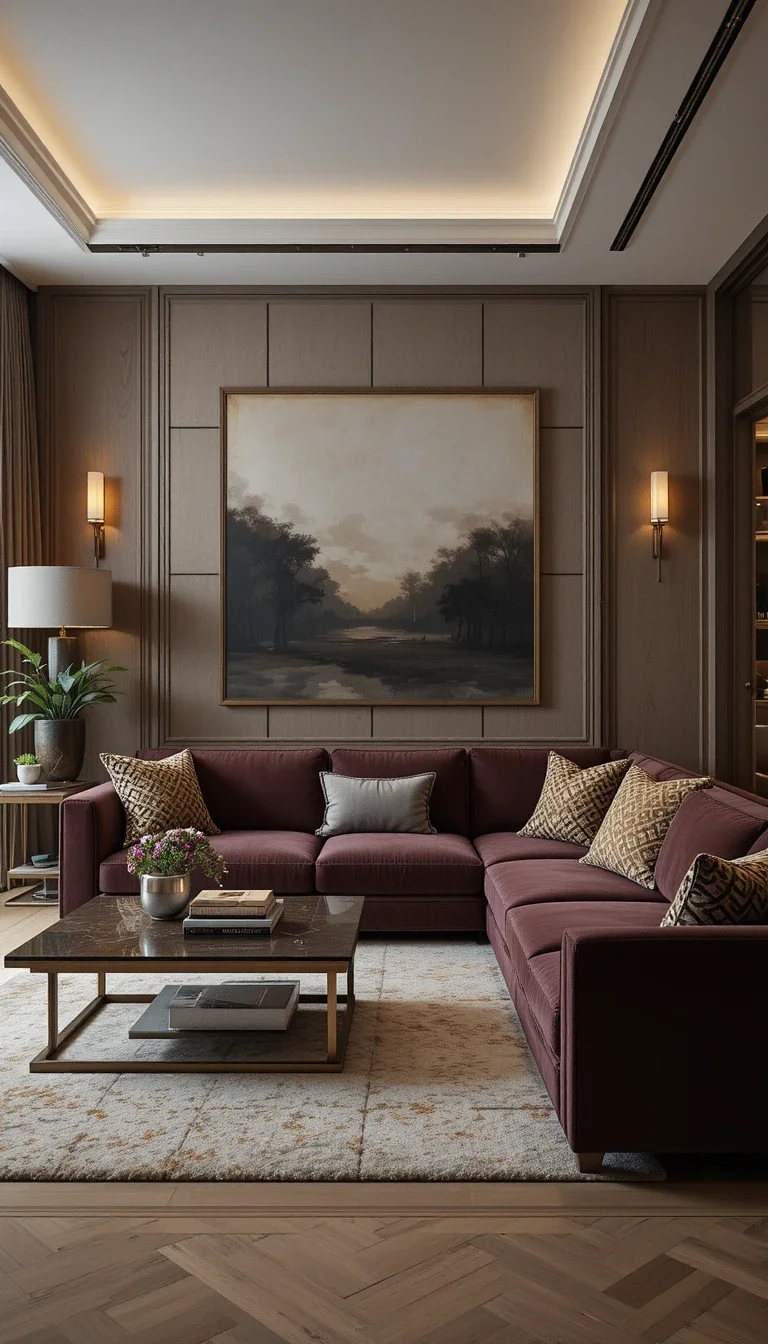
A sectional sofa is a smart pick for a rectangle room. It builds a seating zone on its own and fills the corner space that usually sits empty.
Watch the size, though. A sectional that is too big will swallow a narrow room and block your walking paths. Measure the zone first and leave 60 to 90 cm of space to walk around it. In the right size, one sectional does the work of several separate pieces.
Layer Your Lighting in Three Levels
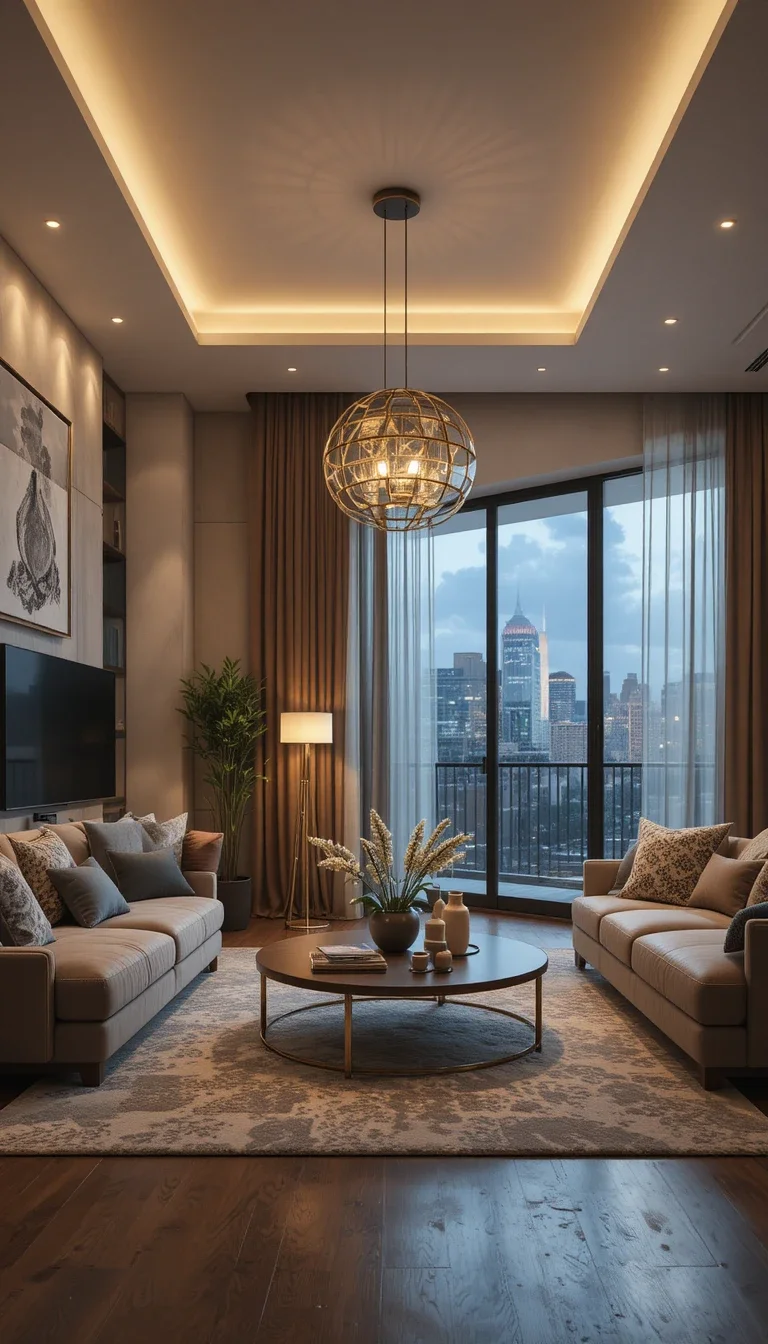
One ceiling light flattens any room, and in a long one it leaves the ends dim.
Build your light in three layers:
- Ceiling light for the base
- Floor lamps for mood
- Table lamps for the small details
Spread these across both zones. Now you have light at different heights and different points down the room. Good lighting shapes a room more than furniture does, and it stops one end from feeling forgotten.
Break the Length With Vertical Lines
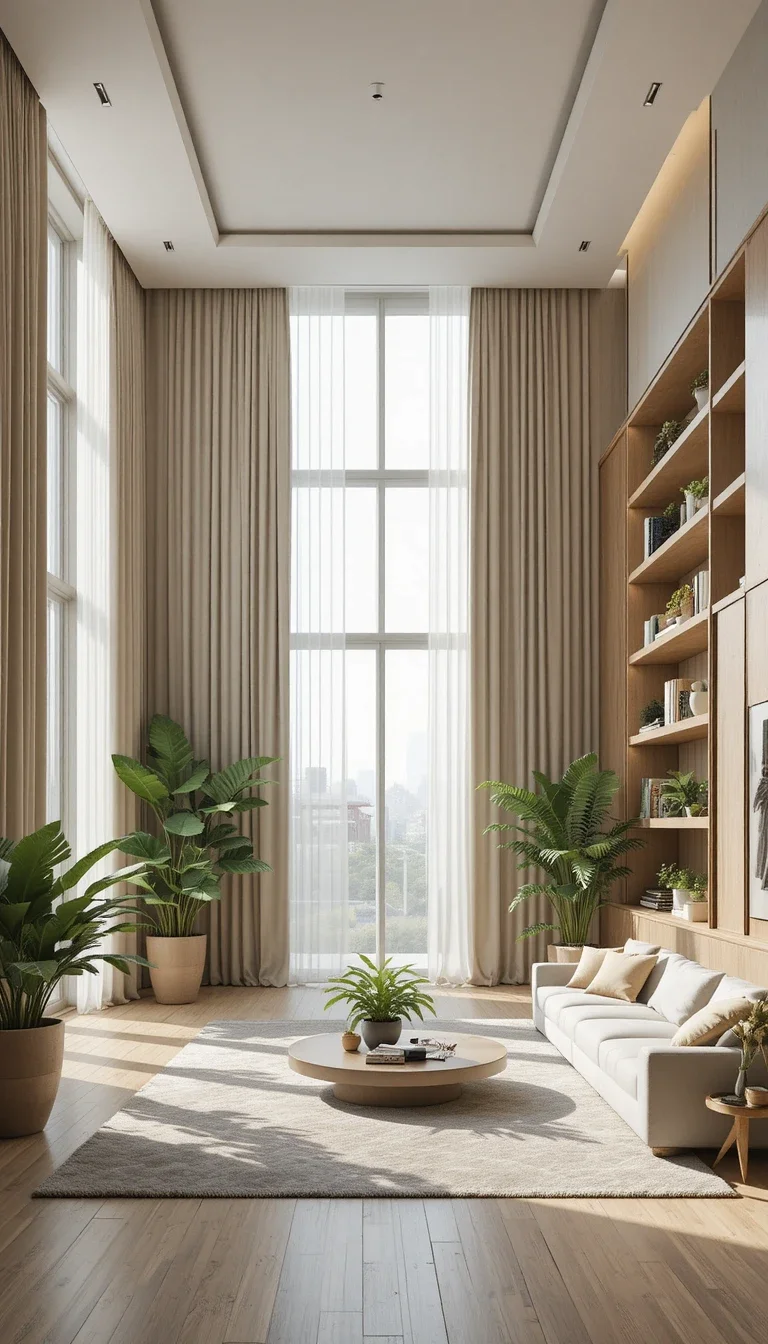
A long room stretches your eye sideways. So push back with height. Anything tall pulls the eye up and away from that hallway feel. Try tall plants, curtains hung from ceiling to floor, or tall shelves. Curtains do the most work. Hang them high and wide, and they add height while softening those long walls. A tall plant at the far end also gives the dead corner a reason to exist.
Use Colour to Cut the Length
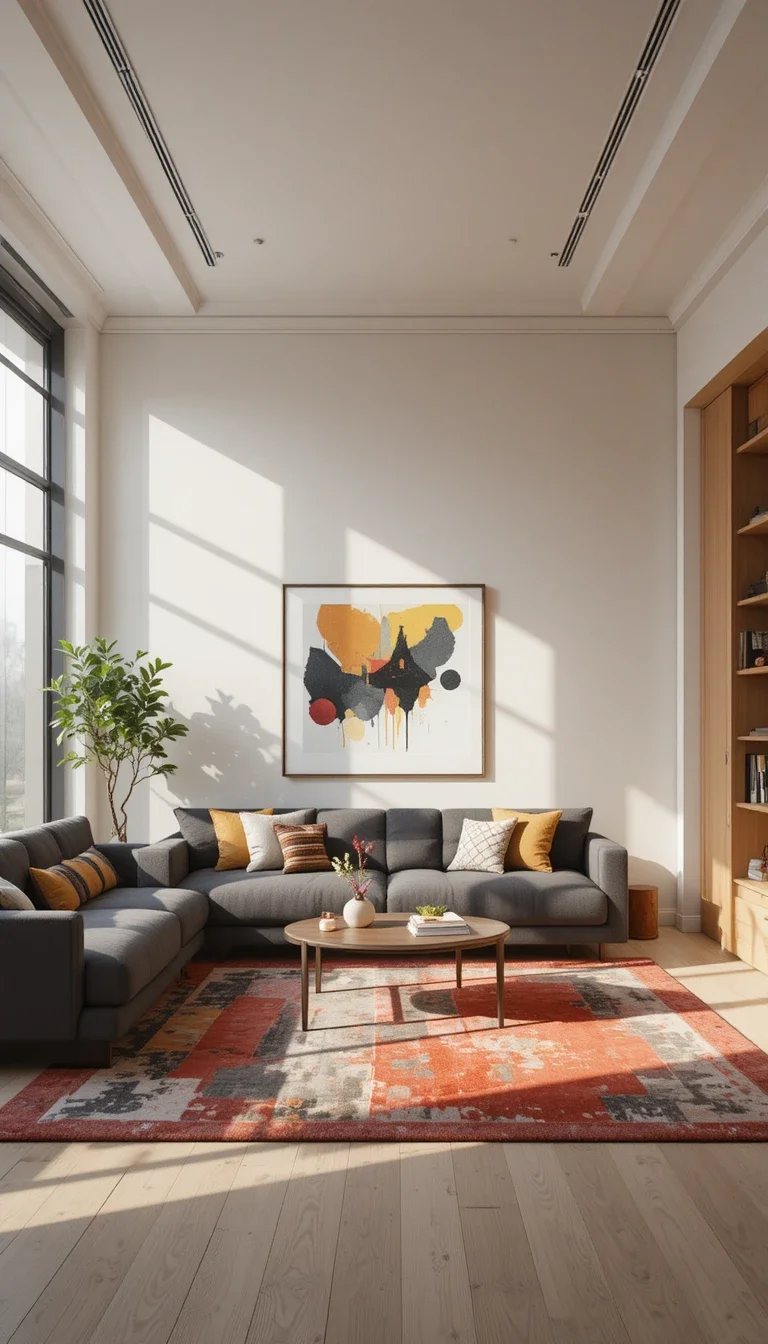
Colour is a quiet way to reshape a long room. One single colour running down a long wall makes it look even longer. Break it up instead. Paint a short end wall a deeper shade than the side walls. That end wall will seem to step forward, so the room feels less stretched. A dark sofa against light walls does the same job, giving your eye a break instead of one long empty run.
Set Up Conversation Groups
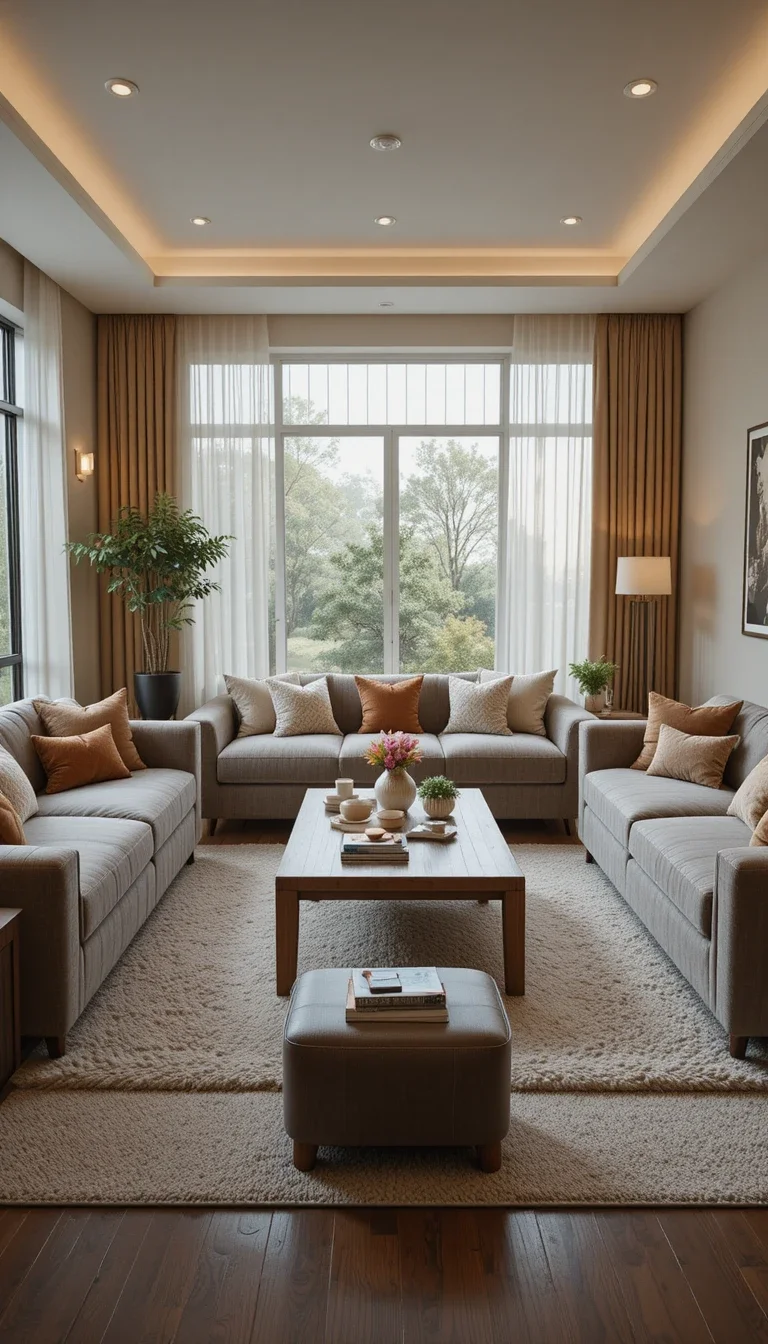
Lining furniture along the walls makes a room feel like a waiting area. Nobody wants that, pull the pieces into a group instead. Face two sofas toward each other, or a sofa and two chairs around one coffee table. Now the room feels social, and the main zone becomes a real place to gather. This also pulls furniture off the walls, which is half the battle in a long room.
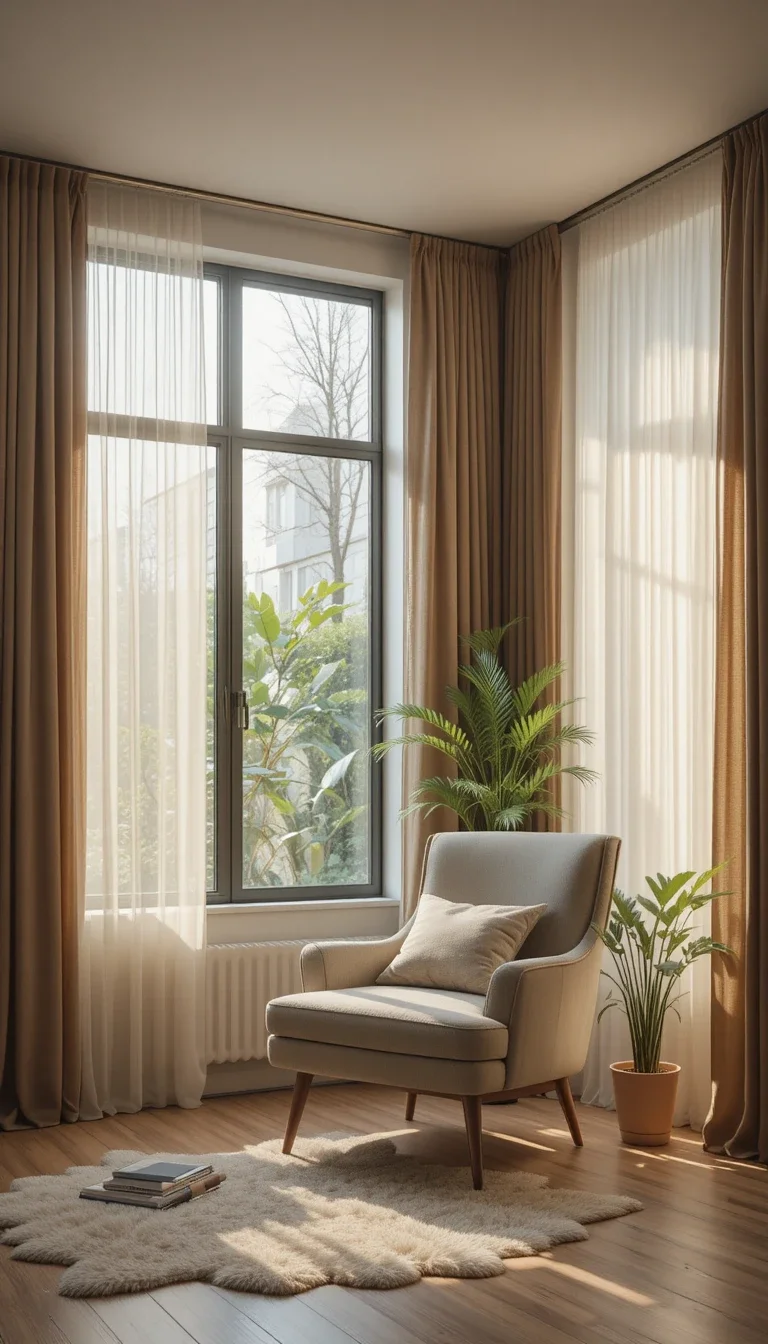
Turn the Window Into a Feature
Rectangle rooms often have strong windows along one wall. Use them. Build a small zone around the window. A reading chair angled toward the light, a bench under the sill, or light curtains that let the daylight pour in all turn the window into a spot people want to sit. This works great for the far end of the room. A window seat gives that neglected corner a real purpose and pulls people down into it.
Mix Textures So It Does Not Feel Flat
A long, flat room feels lifeless when every surface is smooth and matching. Texture adds depth without adding more furniture. Mix wood, woven pieces, soft fabric, and a metal accent or two in the seating area. Picture a fuzzy chair next to a smooth leather sofa, or a chunky knit throw on crisp linen. Each surface catches light in its own way, and the room stops feeling boring.
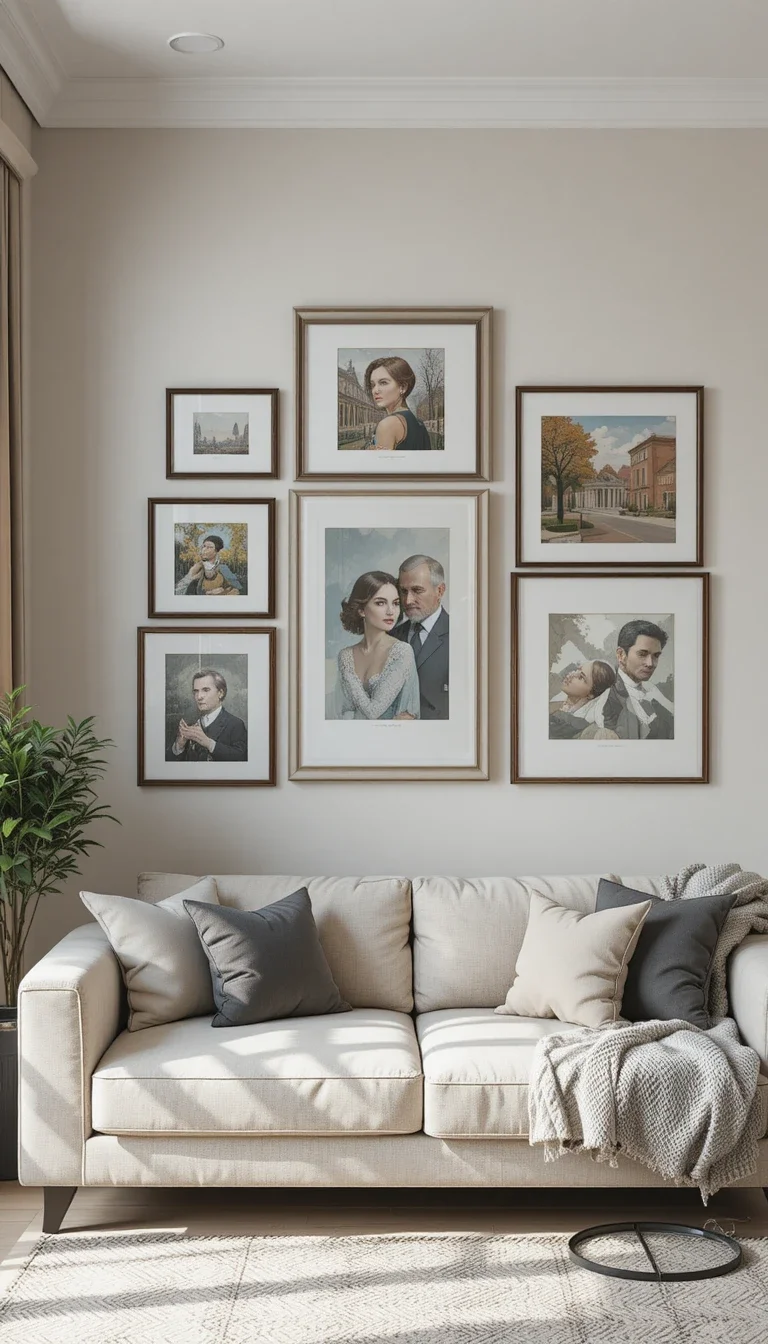
Fill a Long Blank Wall With a Gallery
Long empty walls are the most common problem in a rectangle room. A gallery wall fixes that, hang frames in mixed sizes in a loose layout. The variety adds character and breaks up the wide empty space. Keep the layout a little uneven instead of a perfect grid. A slightly loose arrangement looks collected over time. A rigid grid can feel cold. Keep the frame style similar so it still feels like one set.
Place Mirrors to Reshape the Room
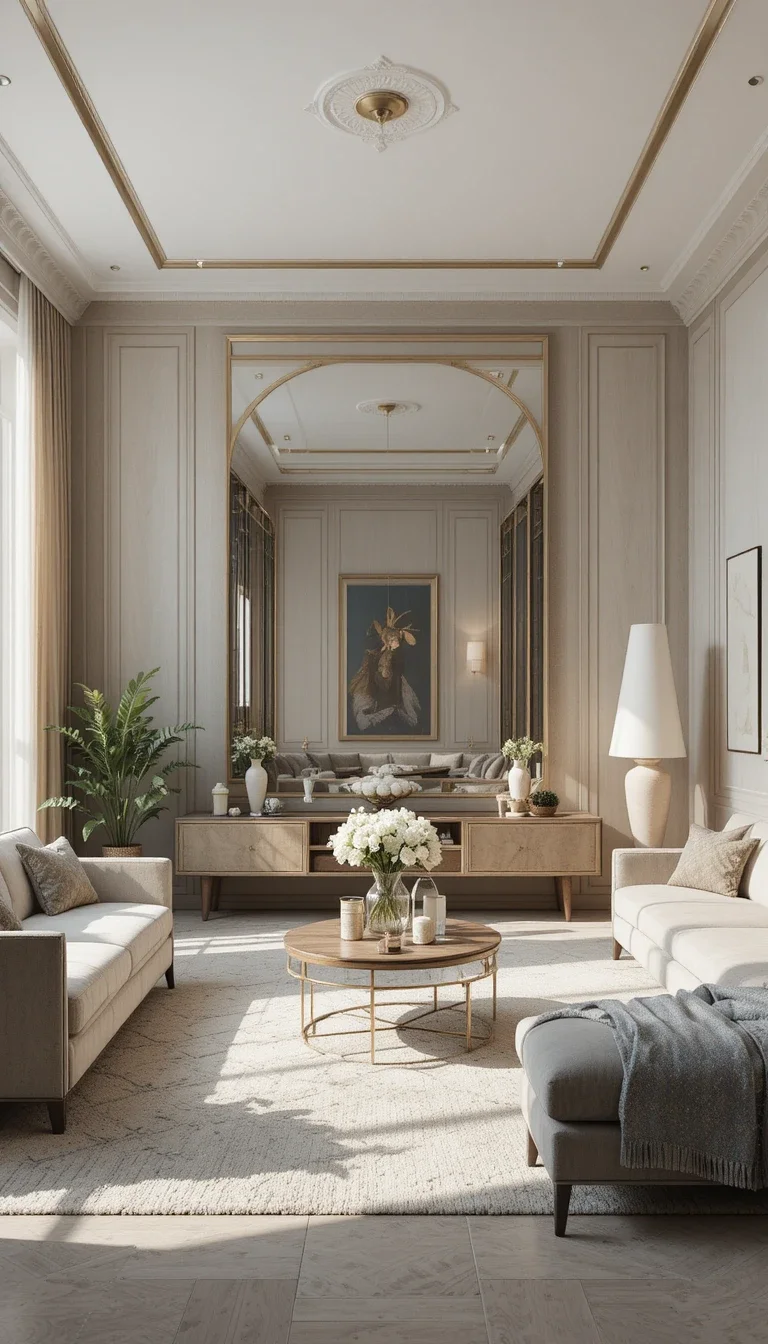
Mirrors are an old trick because they truly work, and placement decides the result. On a long side wall, a big mirror makes the room feel wider. On a short end wall, it can make the long run feel shorter by bouncing the far end back to you. Hang one across from a window, and it throws daylight deep into the room, which helps the dim far end. One big mirror beats several small ones.
FAQs
How do I arrange furniture in a long rectangle living room?
The first time I split a long room this way, the far end finally stopped feeling like wasted space, and pull the sofa away from the wall. Put the main seating in one zone and a smaller use, like a reading corner, in the other. Face the seats toward each other in a group, and give each zone its own rug and lamp so the long shape feels balanced.
How do I make a rectangle living room look bigger?
Use mirrors on a long wall to add width, hang curtains high to add height, and keep the colour palette light and simple. Floating the sofa and leaving clear walkways also makes the space feel more open than pushing everything against the walls.
Where should the TV go in a rectangle living room?
Put the TV on one of the short end walls or on the main wall behind your seating zone, so it becomes the focal point. Keep the sofa facing it at a comfortable distance, and avoid placing the TV on a long wall where it can make the room feel even more stretched.
What size rug works best in a rectangle living room?
Pick a rug large enough that the front legs of every sofa and chair sit on it. In a long room, two well-sized rugs, one per zone, often work better than a single huge rug, because they help mark each area clearly.
How do I fill the empty end of a long living room?
Give it a job. A reading chair with a lamp, a small desk, a window bench, or a tall plant all turn the dead corner into a real zone. A second small rug under this area helps it feel like its own space.
Final Thoughts
A rectangle living room only feels like a problem when you treat it as one long space. Break it into zones, pull the seating off the walls, give each area its own rug and light, and add some height to fight the length. Start with the two changes that do the most: zone the room and float the sofa. Once those give the room its shape, the rugs, the lights, and the focal wall all fall into place.
