

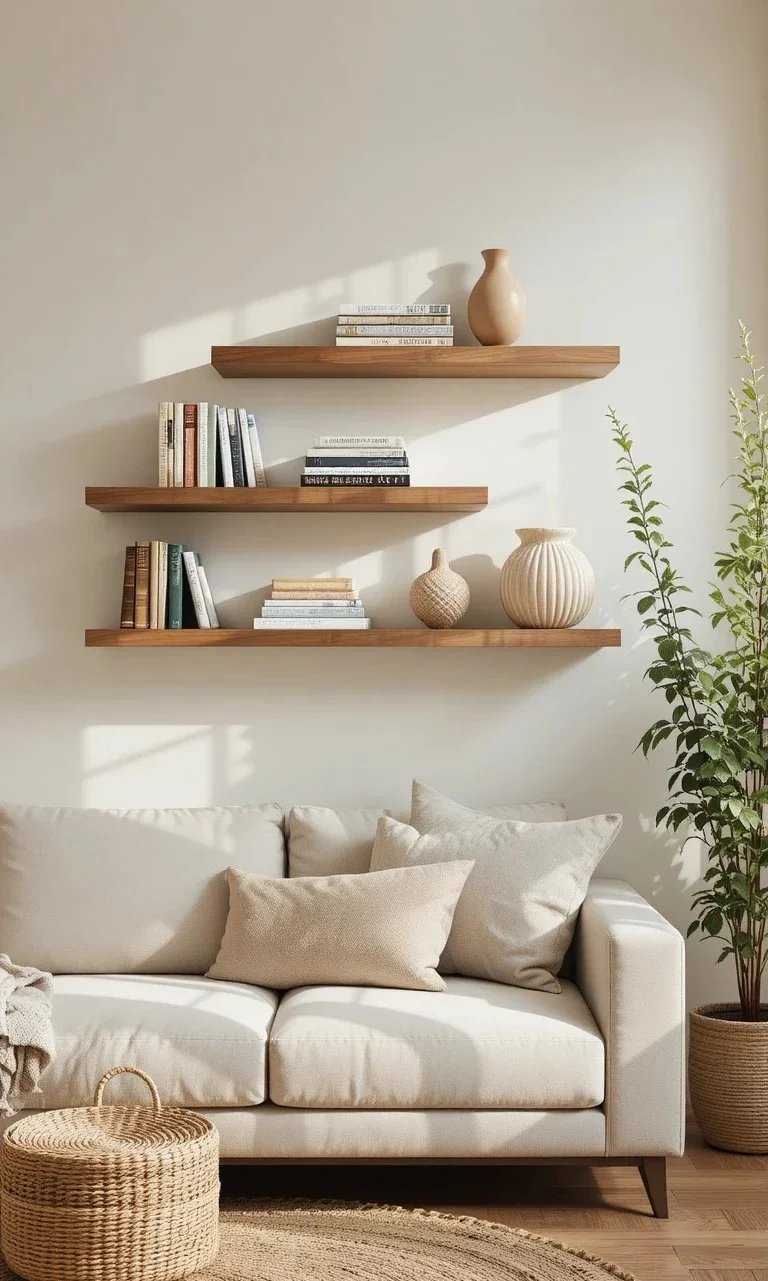
A shelf is never just a shelf once it’s actually styled. It becomes the place people glance at while talking, the thing that makes a rental feel like a home, or the detail that makes a finished basement actually feel finished. In 2026, living room shelves are pulling double duty more than ever: real storage on one side, real personality on the other. The trend this year isn’t about matching everything perfectly. It’s about shelves that look collected over time, even if you put them up last weekend.
Below are 21 living room shelves ideas for 2026 that range from full-wall built-ins to a single floating shelf above the sofa.
Built-In and Architectural Shelving Ideas
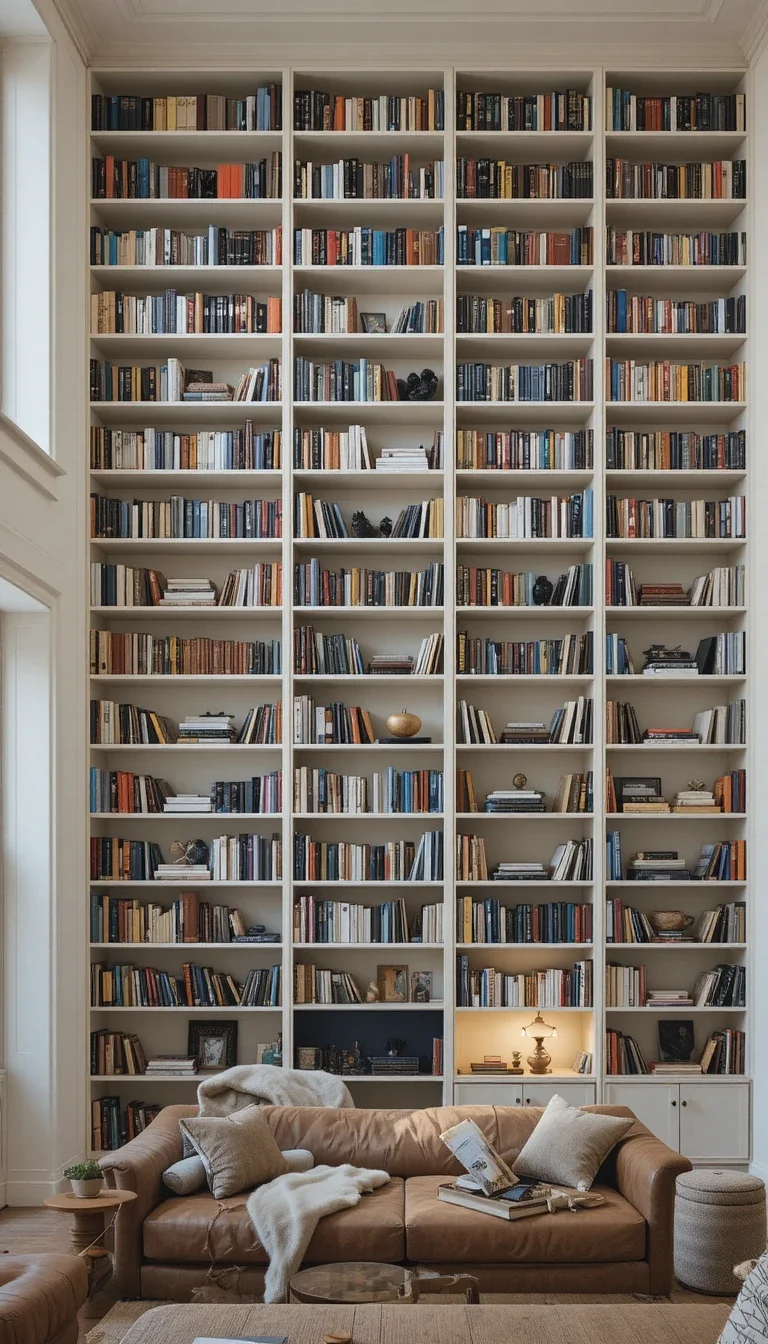
Try the “Book Drenching” Look
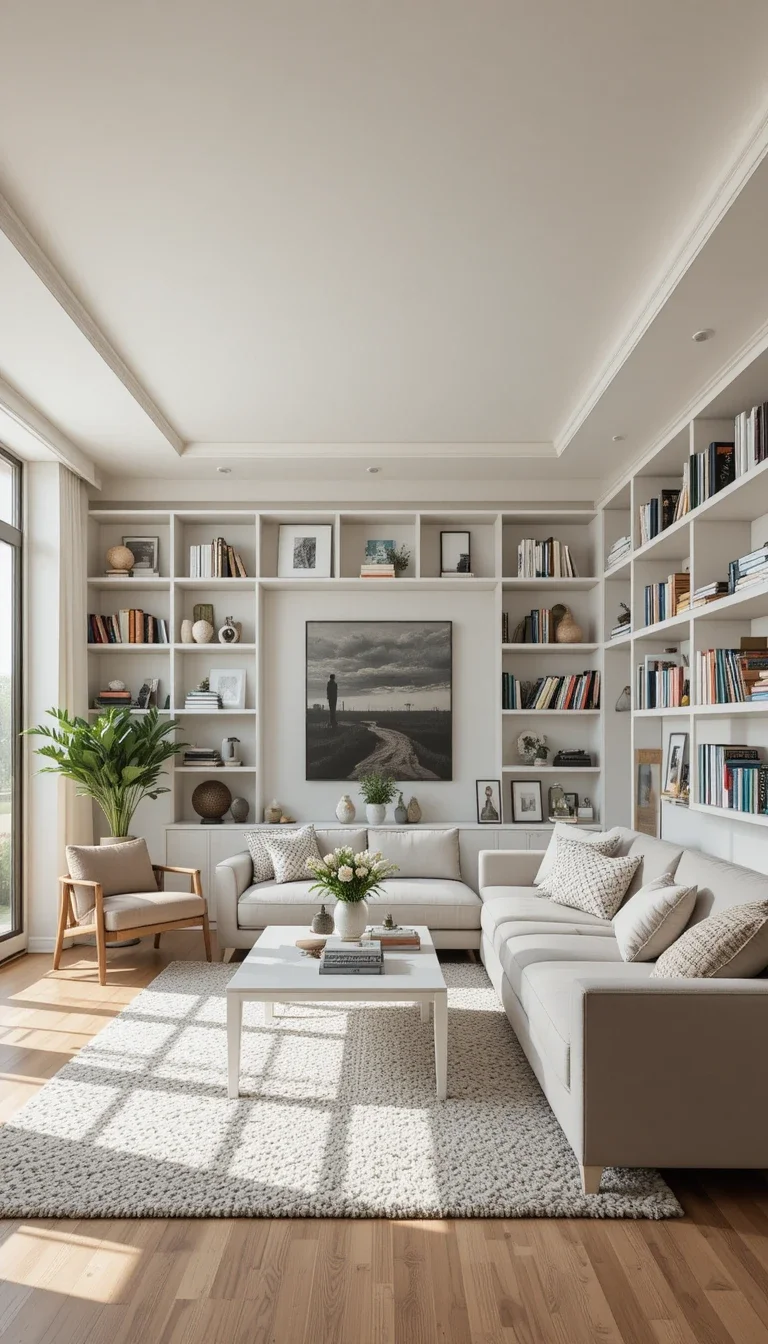
Instead of a small bookshelf tucked in a corner, book drenching wraps an entire wall, or even the whole room, in shelving filled with books. The effect is closer to a private library than a typical living room shelf. This works best when you actually have enough books to fill the space. A half-empty wall of shelves reads as unfinished, not curated.
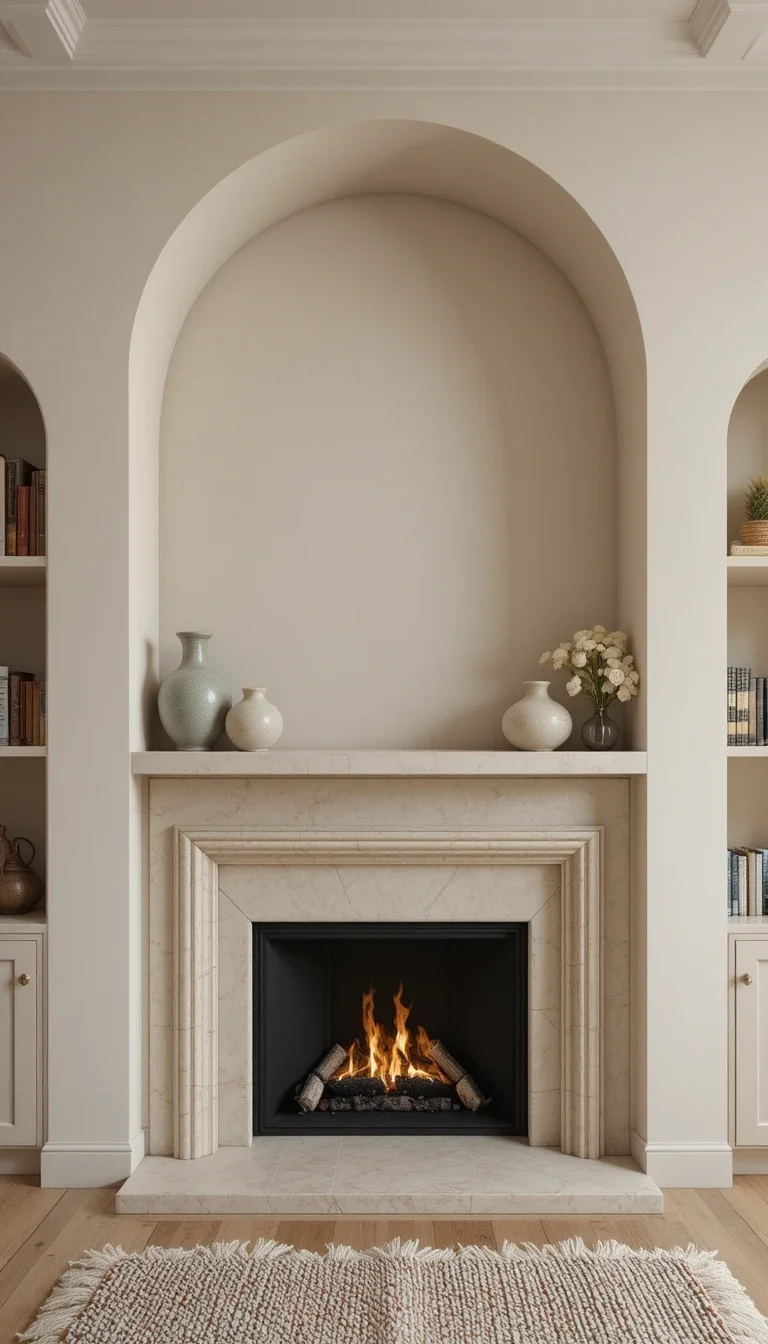
Add Curved or Arched Niches
Flanking a fireplace with rounded, arched niches instead of sharp rectangular shelves softens the whole wall. The curve draws the eye gently rather than in straight lines, giving the space a calmer, almost gallery-like feel. This is a strong choice if your living room already leans toward softer furniture shapes, like a curved sofa or round coffee table.
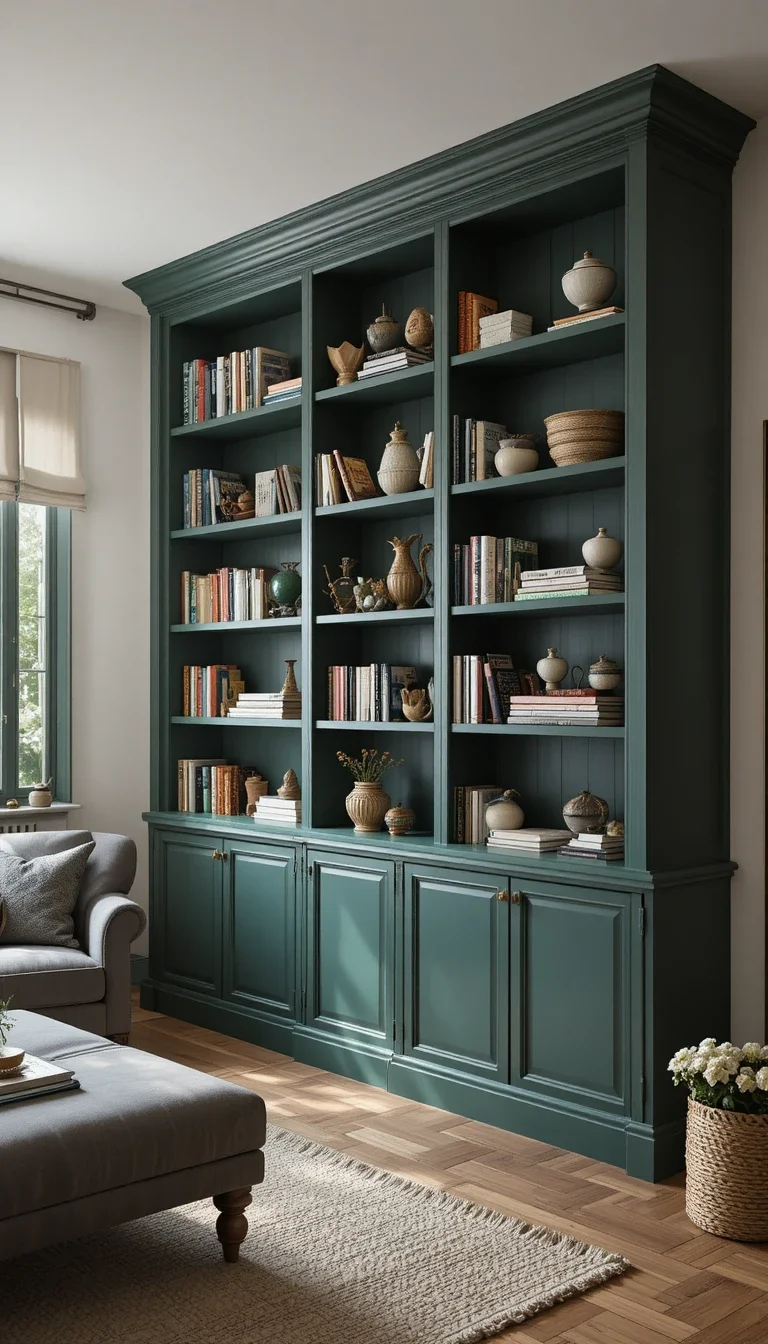
Paint Built-Ins a Bold Color
A neutral built-in disappears into the wall. A built-in painted in a deep green, navy, or terracotta becomes the actual design statement of the room, with the books and objects on top becoming secondary. Choose one consistent colour across the cabinetry, shelves, and trim so the whole thing reads as one intentional piece, not a patchwork.
Build Shelving Around the TV
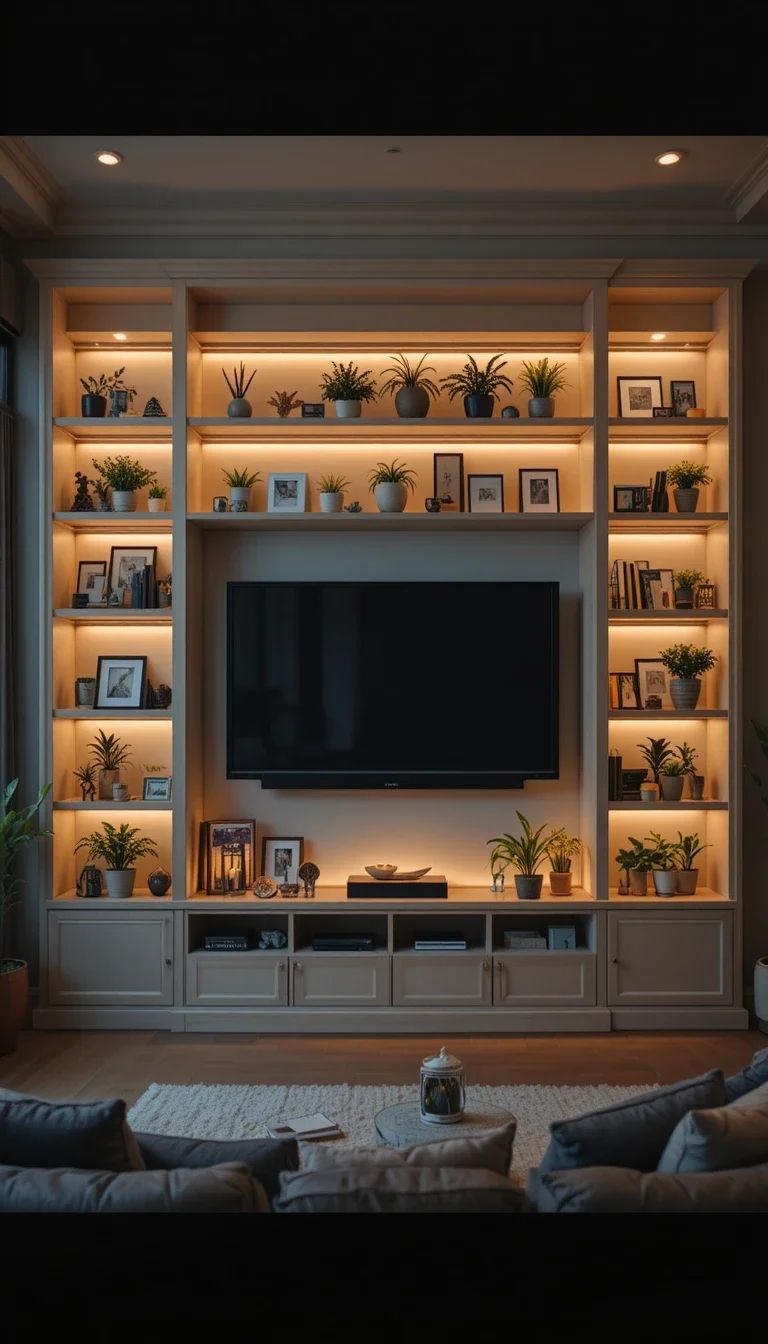
Rather than treating the TV as a separate object, built-in shelves that wrap around it turn the whole wall into one cohesive display. Plants, photos, and small objects fill in around the screen so it stops being the only thing you notice. Soft lighting tucked into the shelves makes this look even better once evening comes and the lamps go on.
Use a Library Wrap Around the Room’s Perimeter
Instead of one wall, some 2026 living rooms are running shelving along the upper perimeter of the entire room, just below the ceiling line. It’s a way to add serious storage and display space without taking up any floor area.This works particularly well in rooms with higher ceilings, where the upper wall space usually goes to waste anyway.
Add a Built-In Reading Nook Under the Stairs
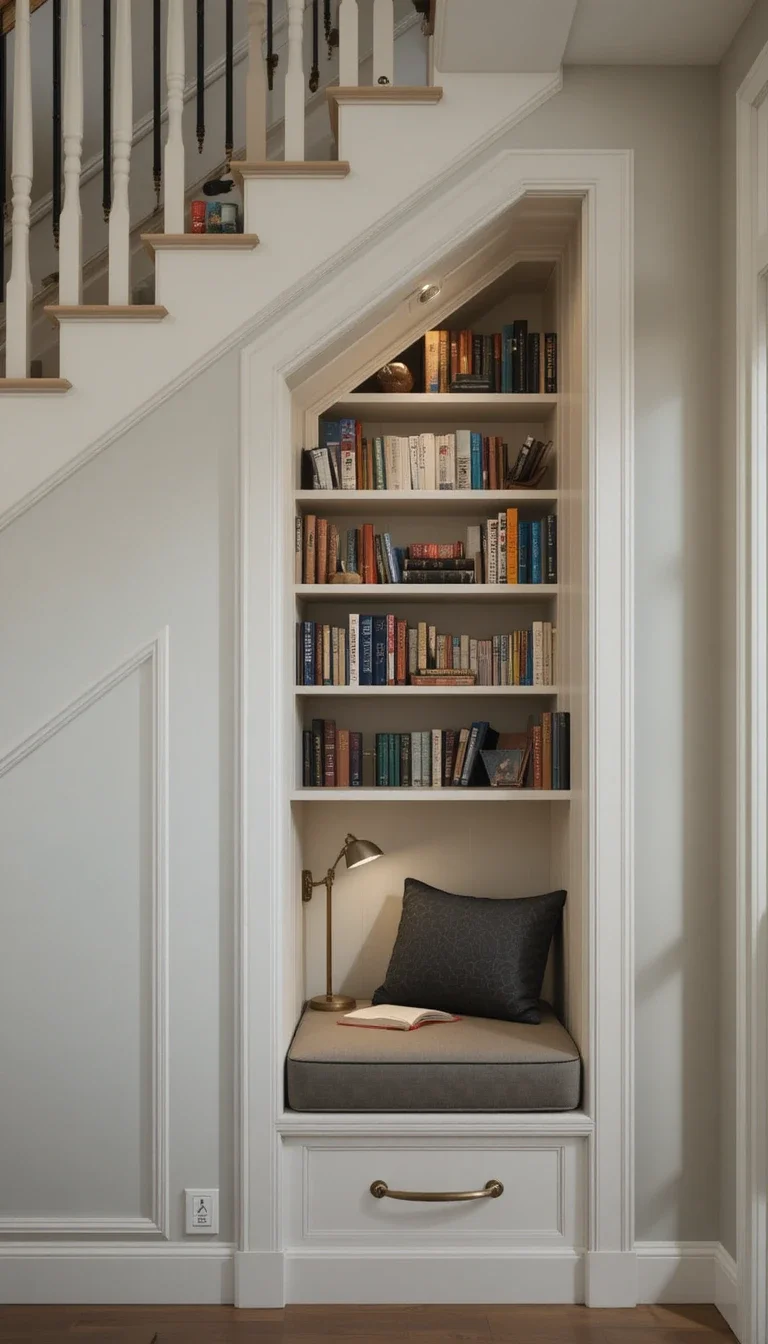
An awkward, unused space under a staircase can become a small built-in library with a seat tucked inside. It’s one of the most satisfying ways to turn dead space into something genuinely useful. Add a small reading light and a cushion, and this corner quickly becomes someone’s favourite spot in the house.
Floating Shelf Ideas
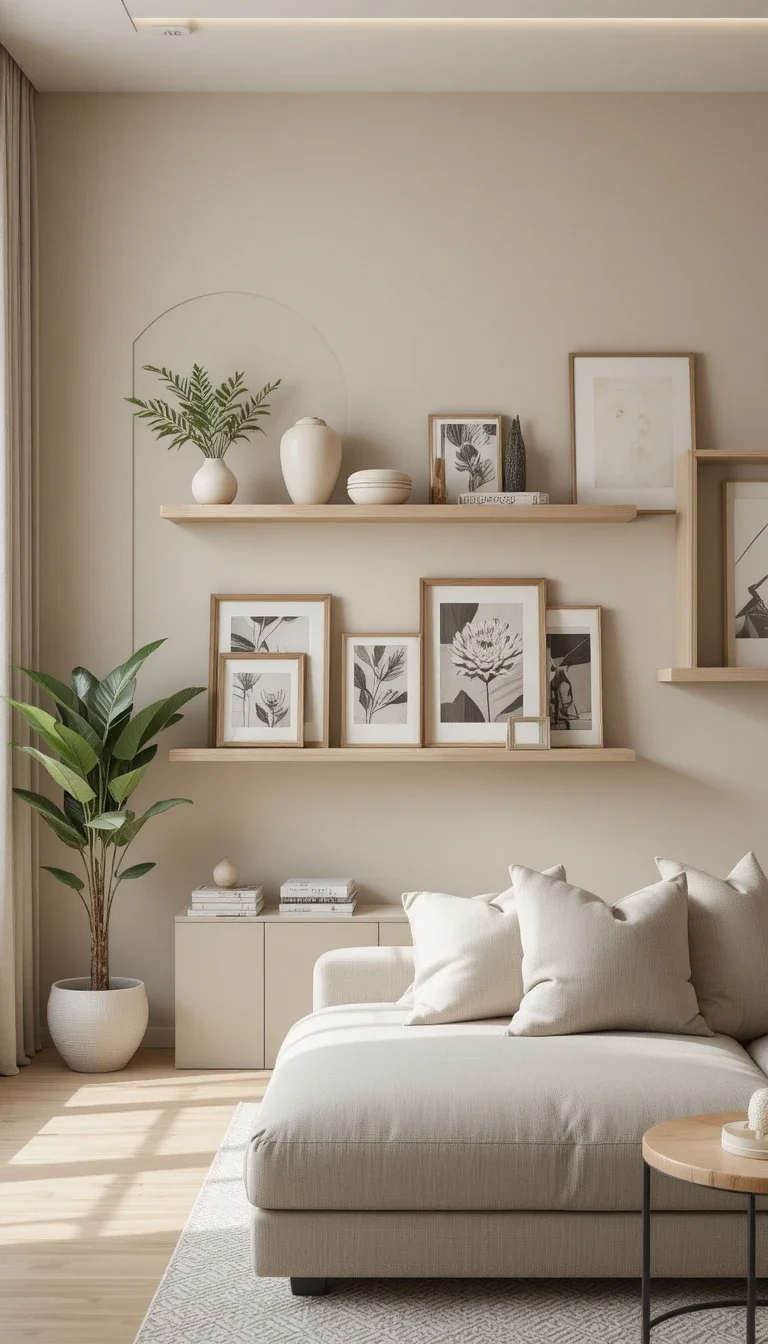
Go Minimal With Two Simple Floating Shelves
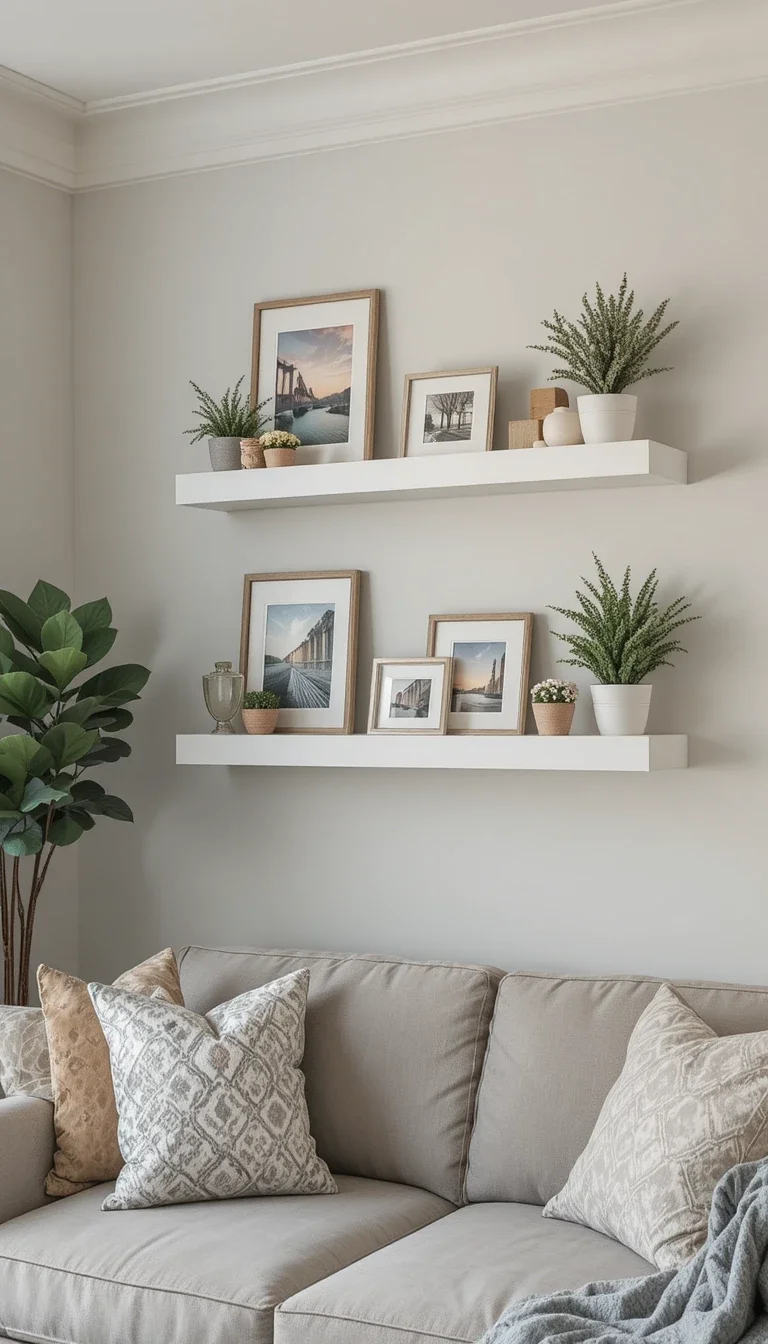
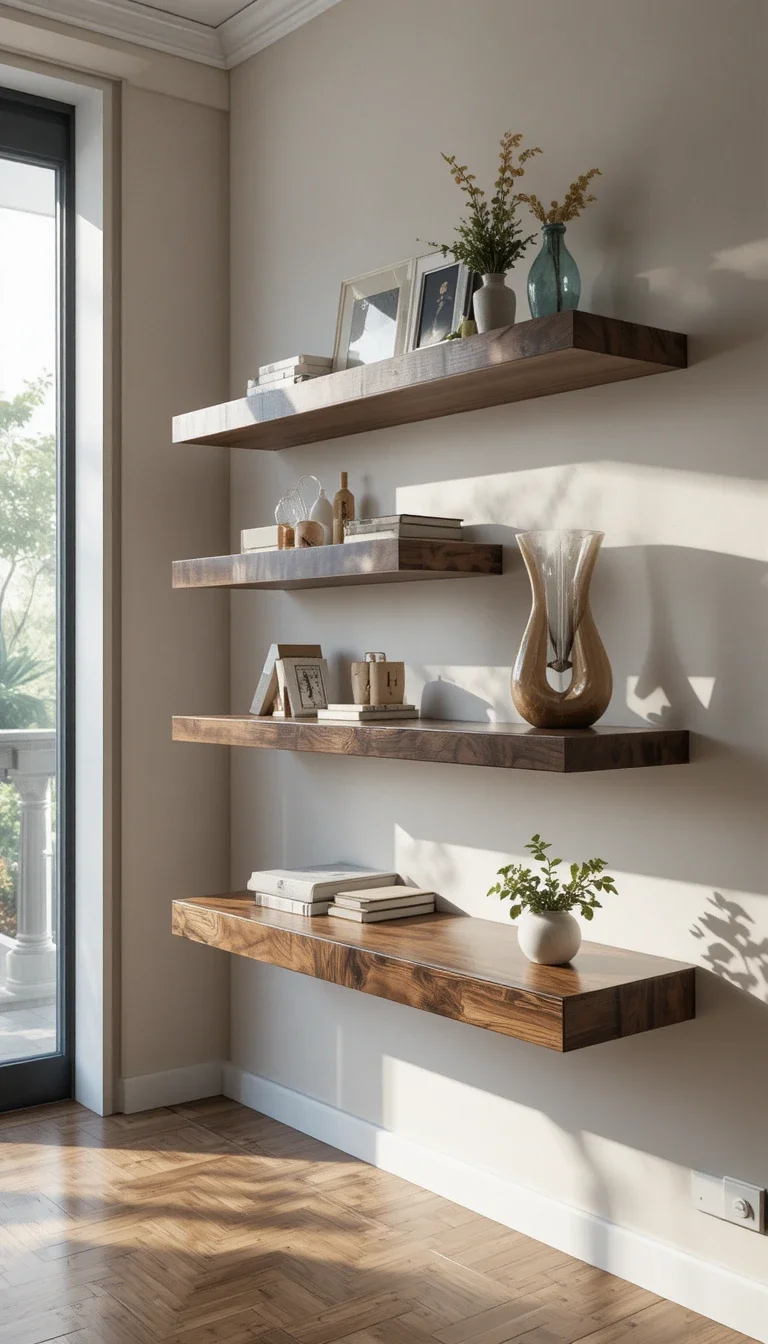
Not every shelving idea needs to be a full wall. Two plain floating shelves above a sofa, styled with a small mix of frames and objects, can carry just as much personality as a full built-in. This is the easiest entry point if you’re renting or not ready to commit to anything permanent.
Try Live-Edge Wood Shelves
Live-edge floating shelves, where the natural curved edge of the wood is left untouched, bring an organic, one-of-a-kind texture that a perfectly straight shelf can’t match.Each piece looks slightly different, which suits homeowners who want their shelving to feel a little more like a found object than a mass-produced one.
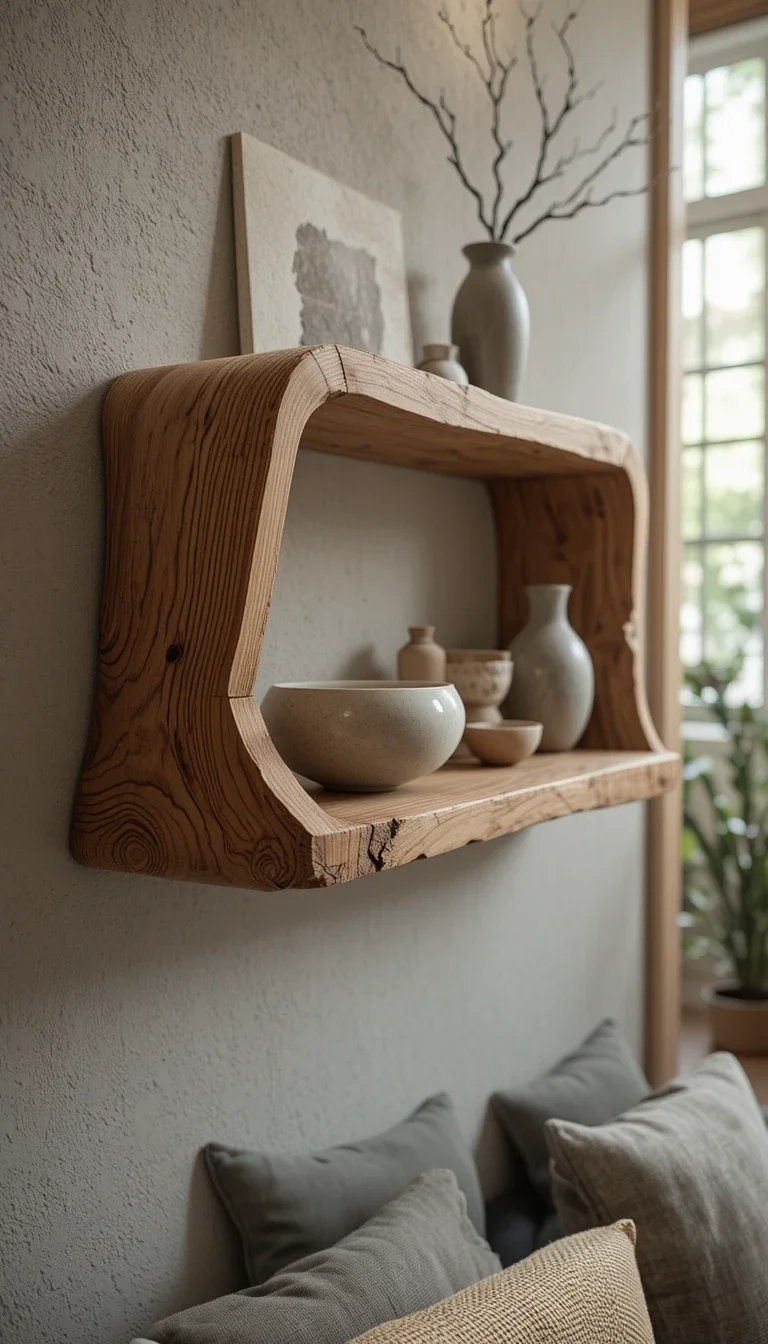
Mix Epoxy Resin With Wood
Epoxy resin floating shelves, often combined with solid wood, add a glossy, almost artistic finish that catches the light differently than plain wood. They also tend to hold up well over time since the resin resists moisture and scratching. This works well in living rooms that already have a few modern, polished elements, like glass tables or metal light fixtures.
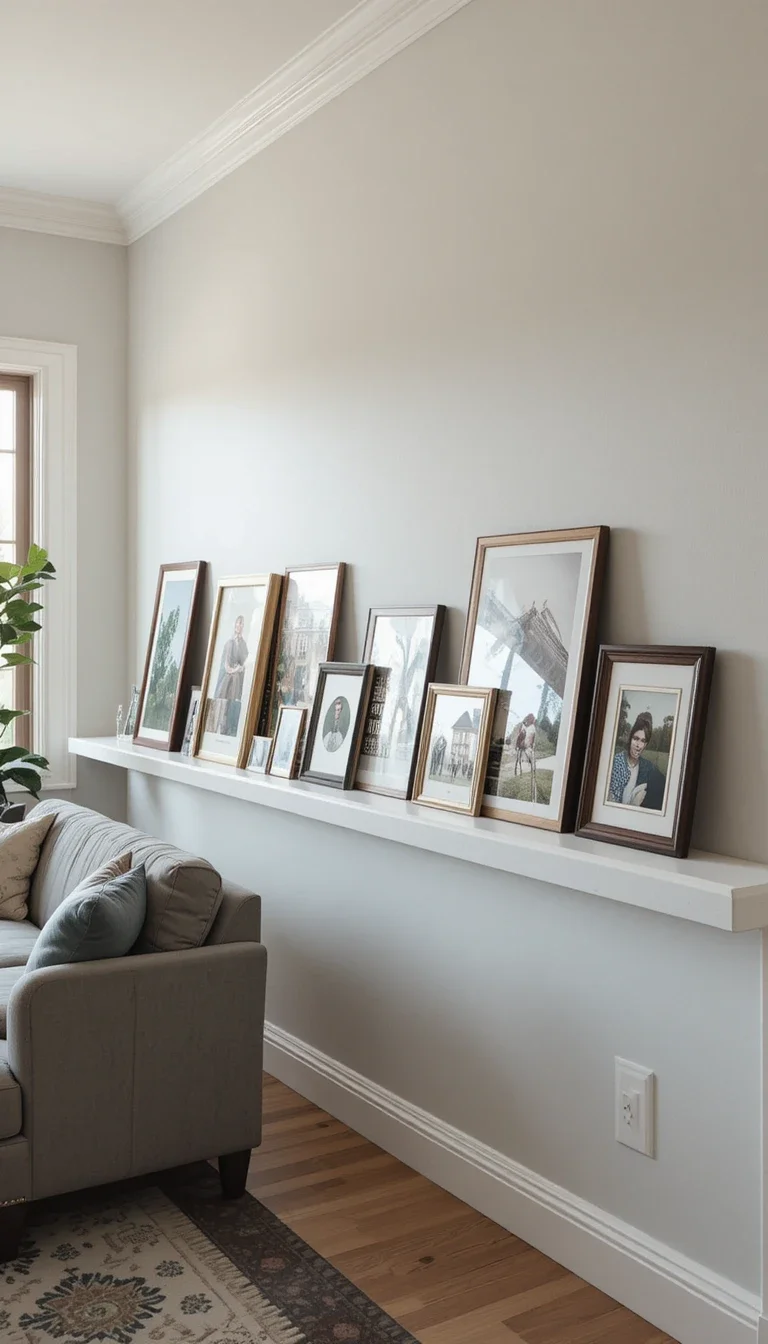
Use a Single Picture Ledge Instead of Frames
A long, narrow picture ledge lets you display a whole row of art or photos without committing to a single arrangement. Pieces can lean, overlap, and get swapped out anytime without new nail holes. This is one of the lowest-effort ways to keep a wall feeling fresh and changeable.
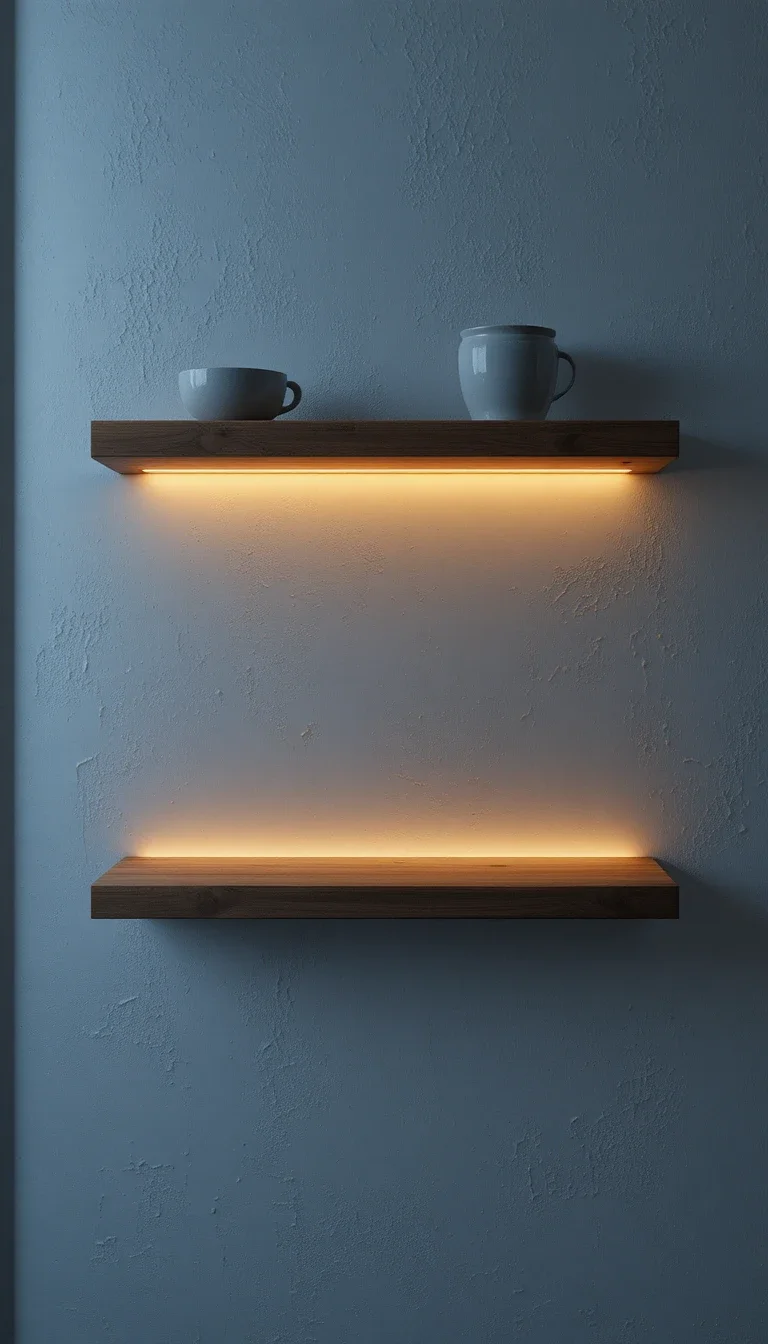
Add Hidden Lighting Beneath Each Shelf
A thin LED strip tucked under the edge of a floating shelf casts a soft glow downward, making whatever sits on the shelf look intentional rather than just placed there. It’s a subtle upgrade, but it’s the kind of detail that makes a living room feel noticeably warmer once the sun goes down.
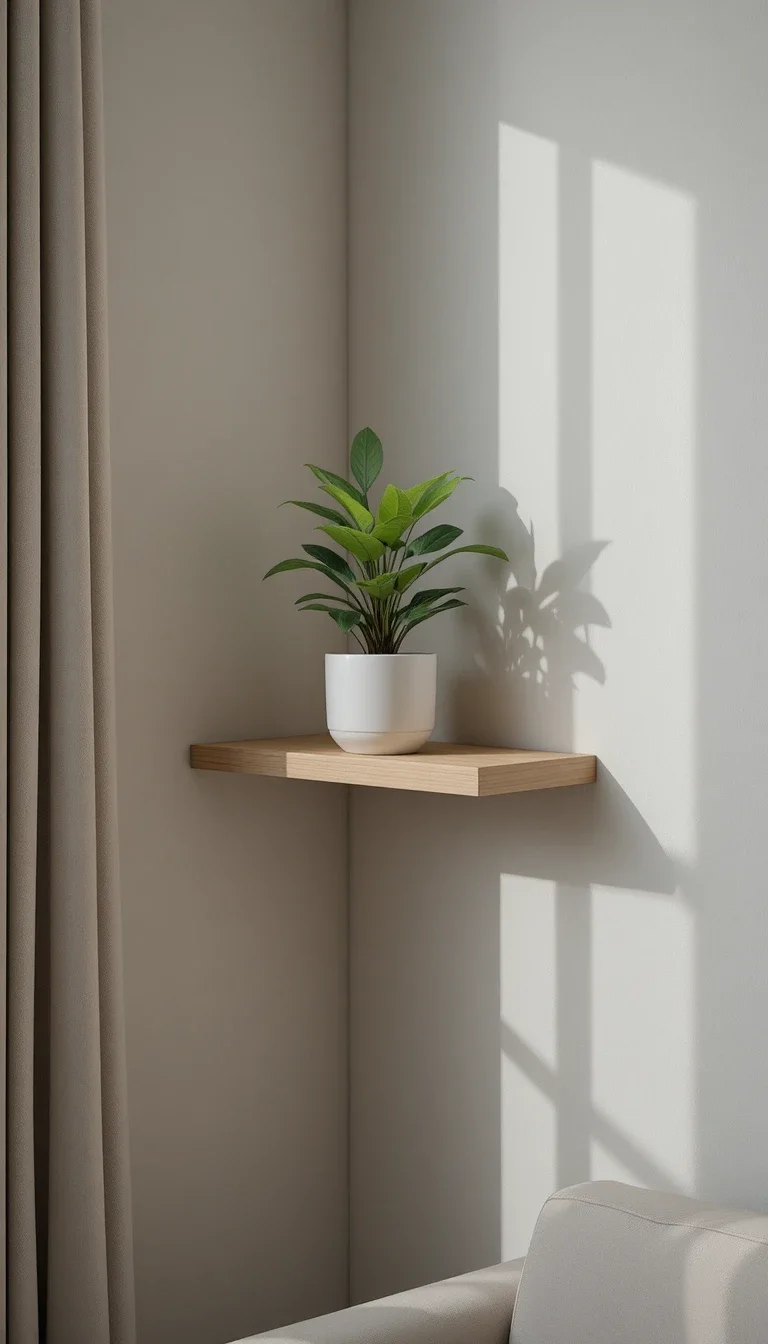
Float a Single Corner Shelf
A small floating shelf tucked into an unused corner adds display space without interrupting the main wall. It’s especially useful in smaller living rooms where every flat surface already has a job to do. One plant or a small stack of books is usually all a corner shelf like this needs.
Colour and Material Ideas
Let Shelves Disappear Into the Wall Colour
Painting shelves the exact same colour as the surrounding wall makes them feel built into the architecture rather than added on top of it. The styling on the shelves becomes the only thing that stands out. This is a quiet, sophisticated option for anyone who wants storage without it visually competing with anything else in the room.
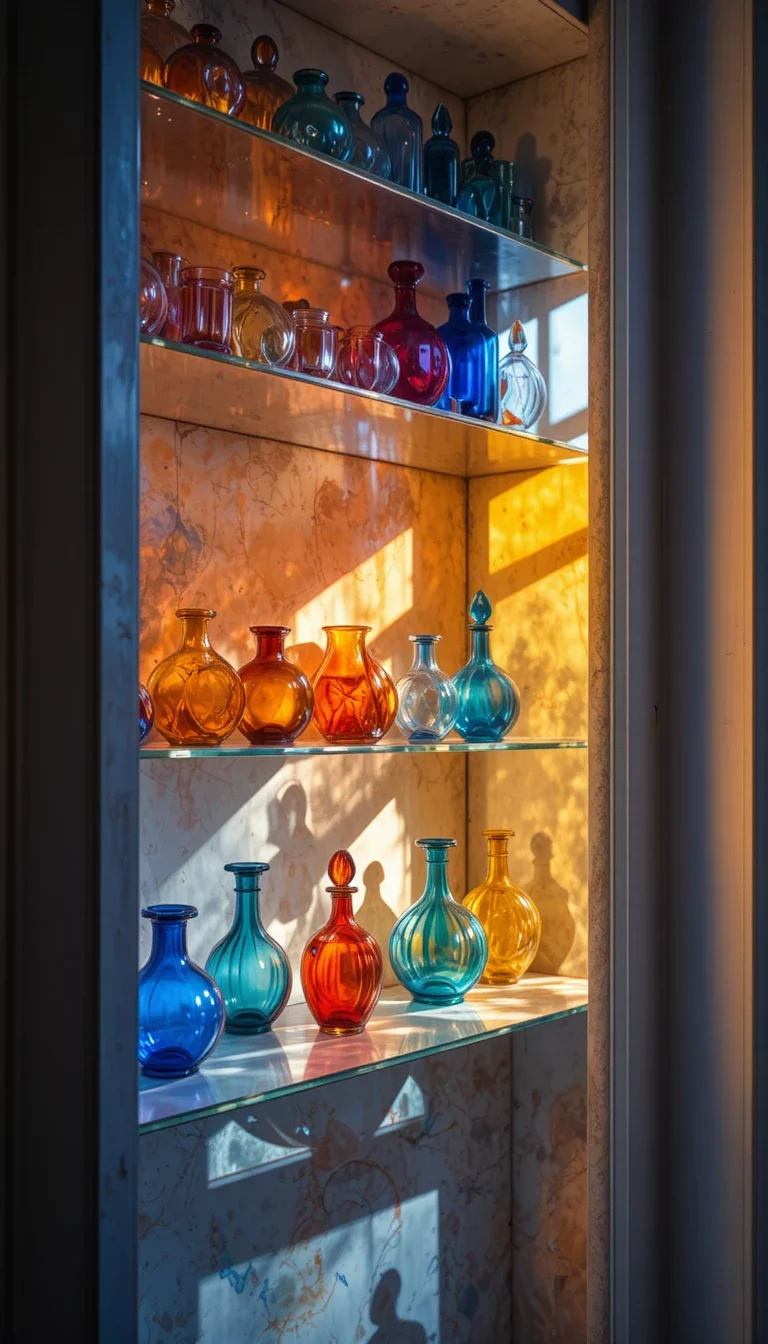
Add a Splash of Colourful Glass
Small glass objects in amber, cobalt, or emerald placed on a shelf catch and shift light throughout the day, adding a bit of movement and colour without repainting anything. A single coloured glass vase or bowl is often enough to notice the effect without overwhelming a neutral shelf styling.
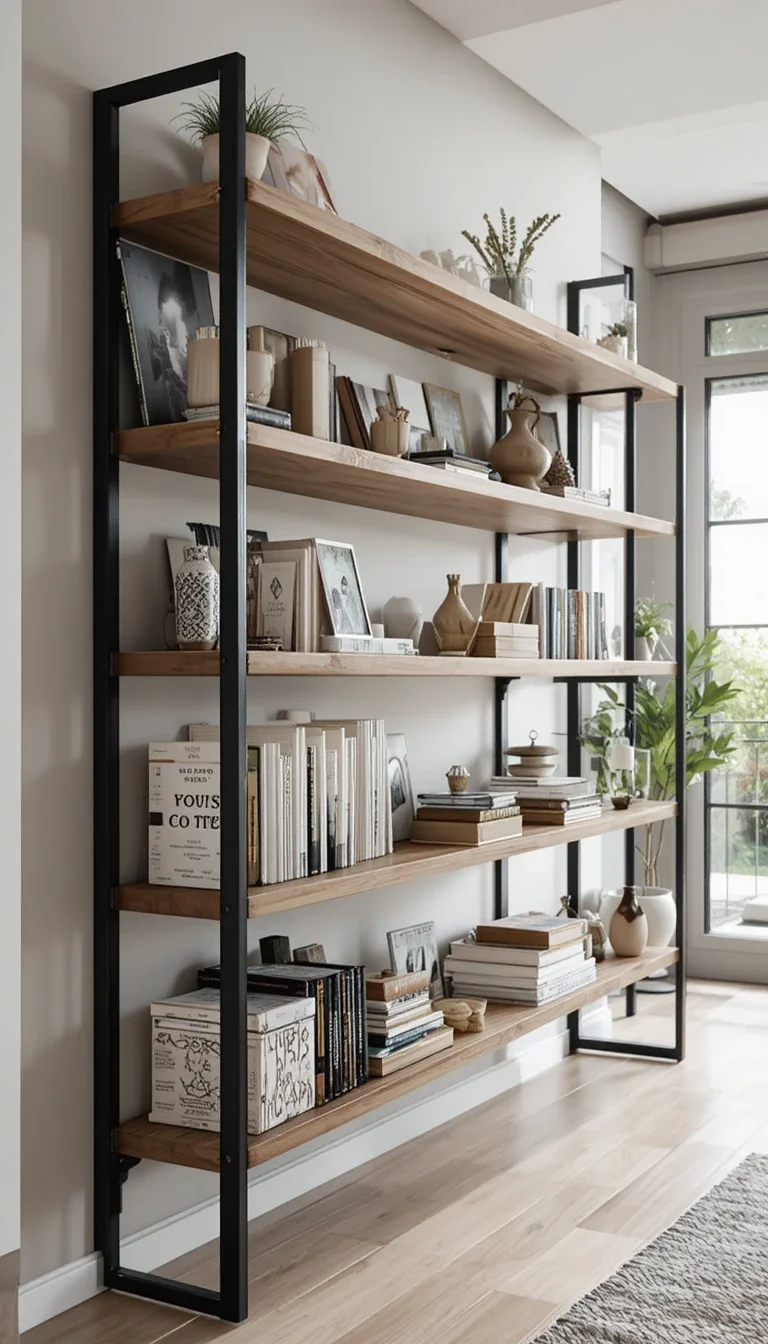
Mix Metal Frames Into Wood Shelving
Pairing a solid wood shelf with a slim black metal frame or bracket adds a bit of structure and contrast, especially in living rooms that lean industrial or modern-rustic. This combination also tends to hold heavier items, like stacked books, more securely than wood alone.
Use Brass Rails to Keep Items From Sliding
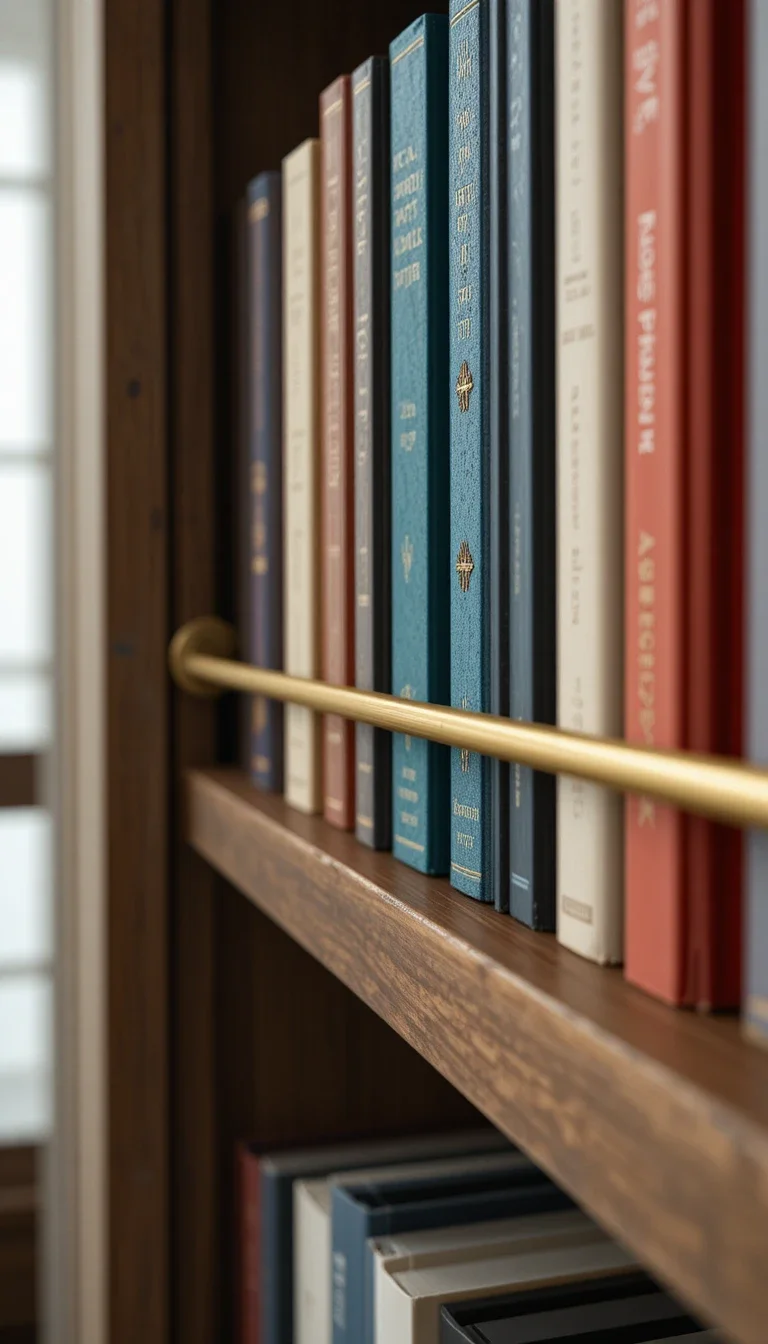
A thin brass rail along the front edge of a narrow shelf keeps books and small objects from sliding off, while also adding a small, refined detail that catches the eye. This is a particularly smart choice for shelving in a hallway or narrow nook where bumps are more likely.
Styling Tips for Any Shelf
Mix Vertical and Horizontal Book Stacks
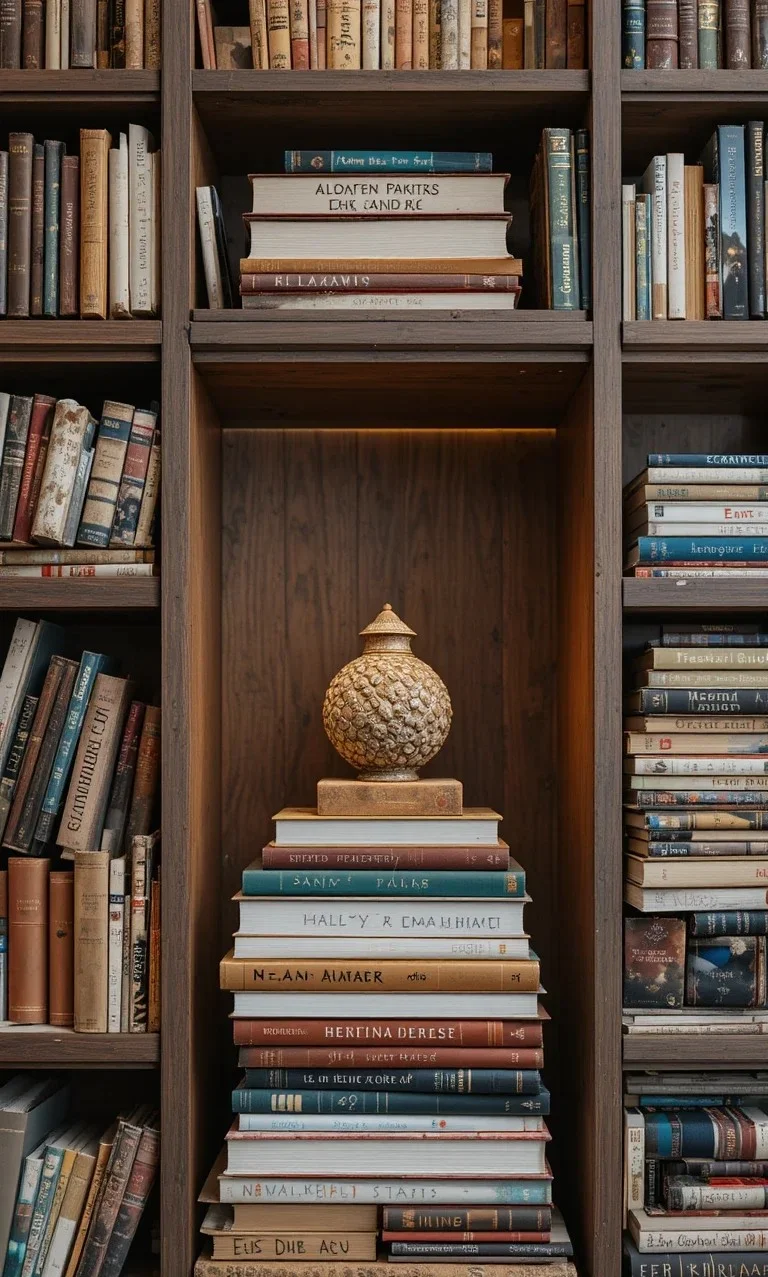
Lining every book up the same way looks flat. Stacking some books horizontally and standing others vertically creates a rhythm that’s far more visually interesting, especially when you tuck a small object into the gaps. This is one of the simplest styling changes that makes any shelf look more considered.
Edit Ruthlessly and Leave Breathing Room
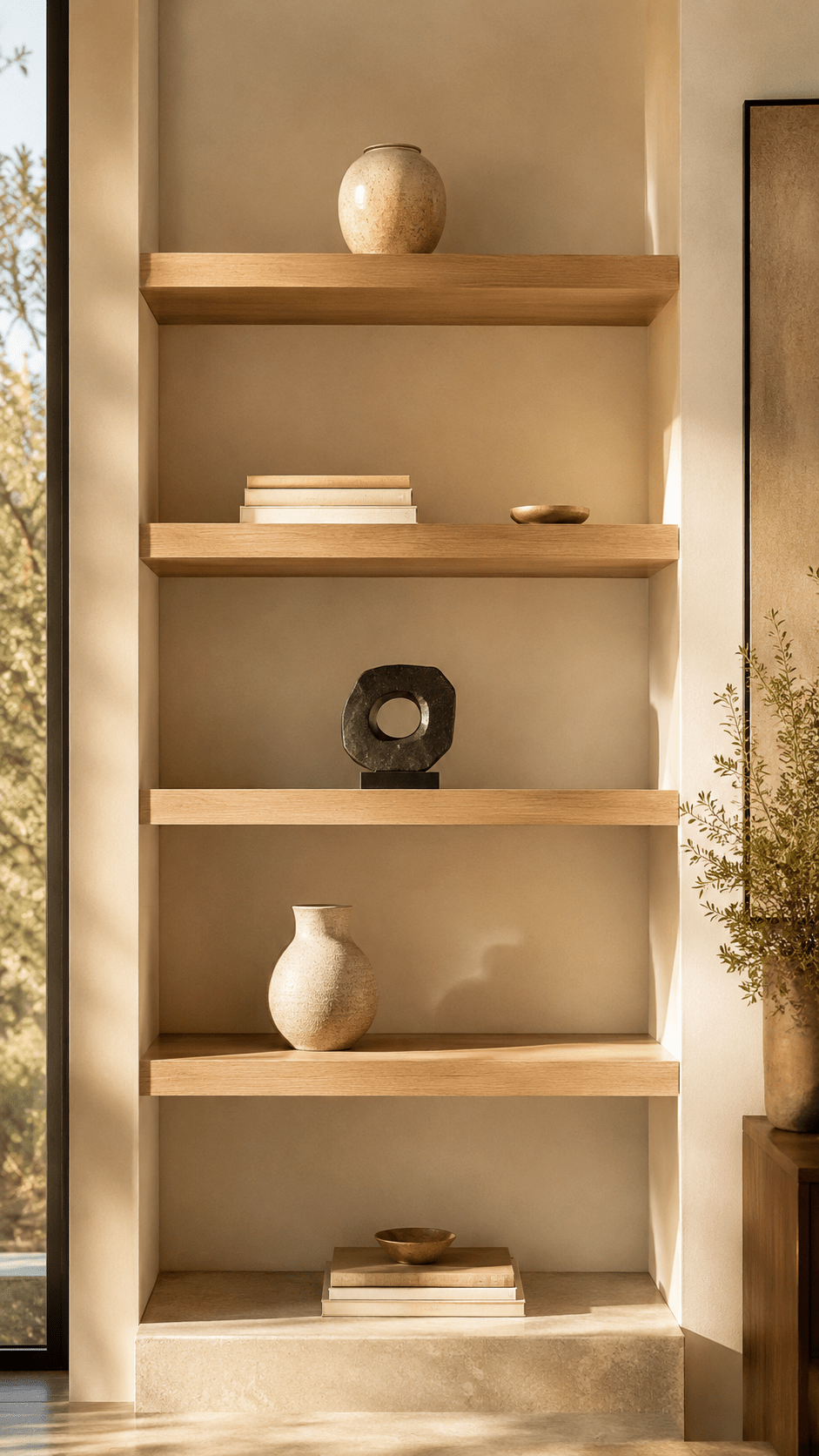
The biggest styling mistake on open shelving is filling every inch. Leaving visible gaps between objects lets each piece actually stand out, instead of blurring into a wall of clutter. If a shelf looks busy, the fix is almost always removing something, not adding more.
Let Shelves Tell a Personal Story
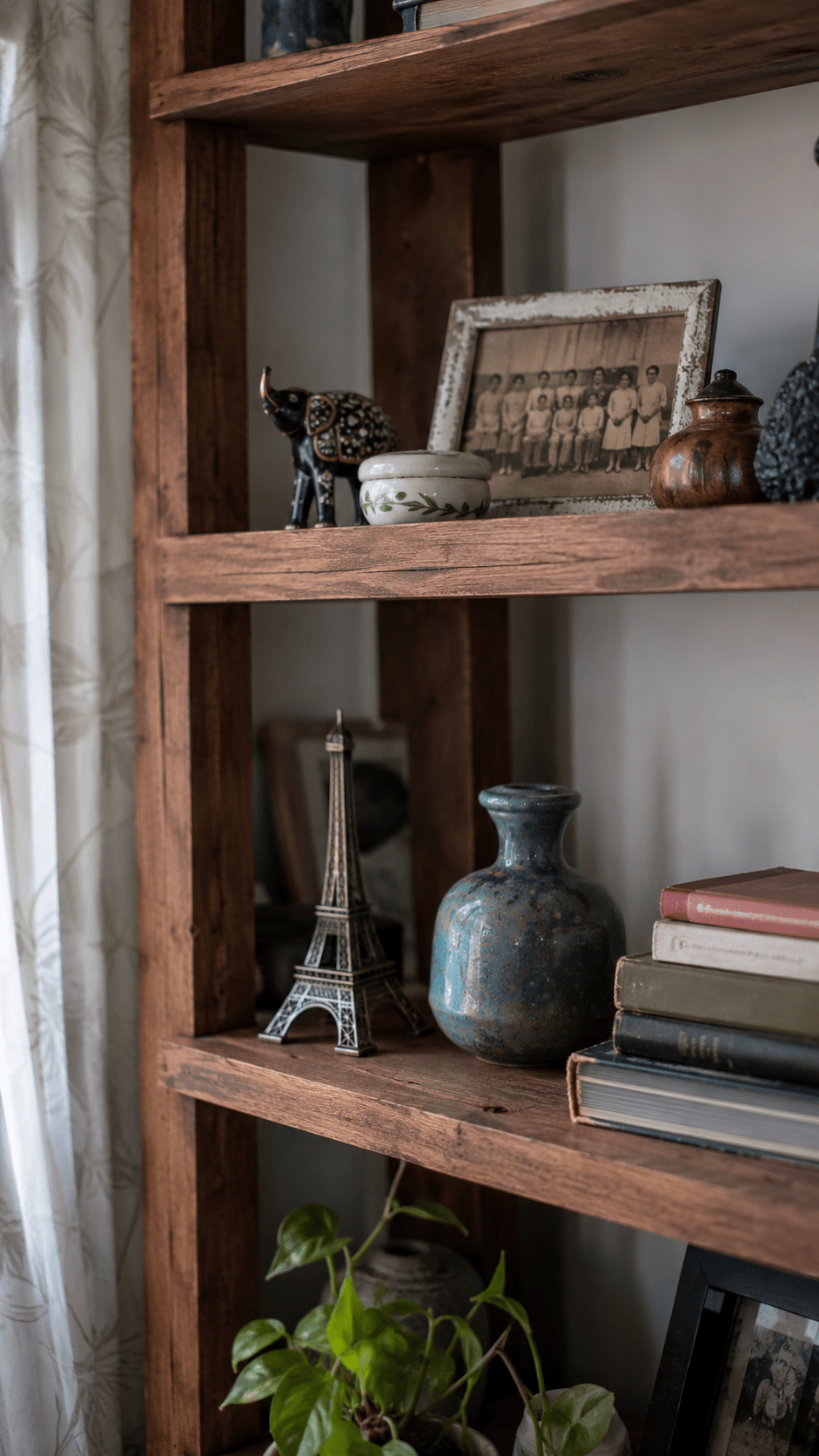
Shelves filled only with matching, store-bought decor tend to feel a little flat. Mixing in a travel souvenir, an old family photo, or a keepsake gives the display a genuine sense of history that new decor can’t quite match. The goal isn’t perfection. It’s a shelf that looks like it actually belongs to the people living there.
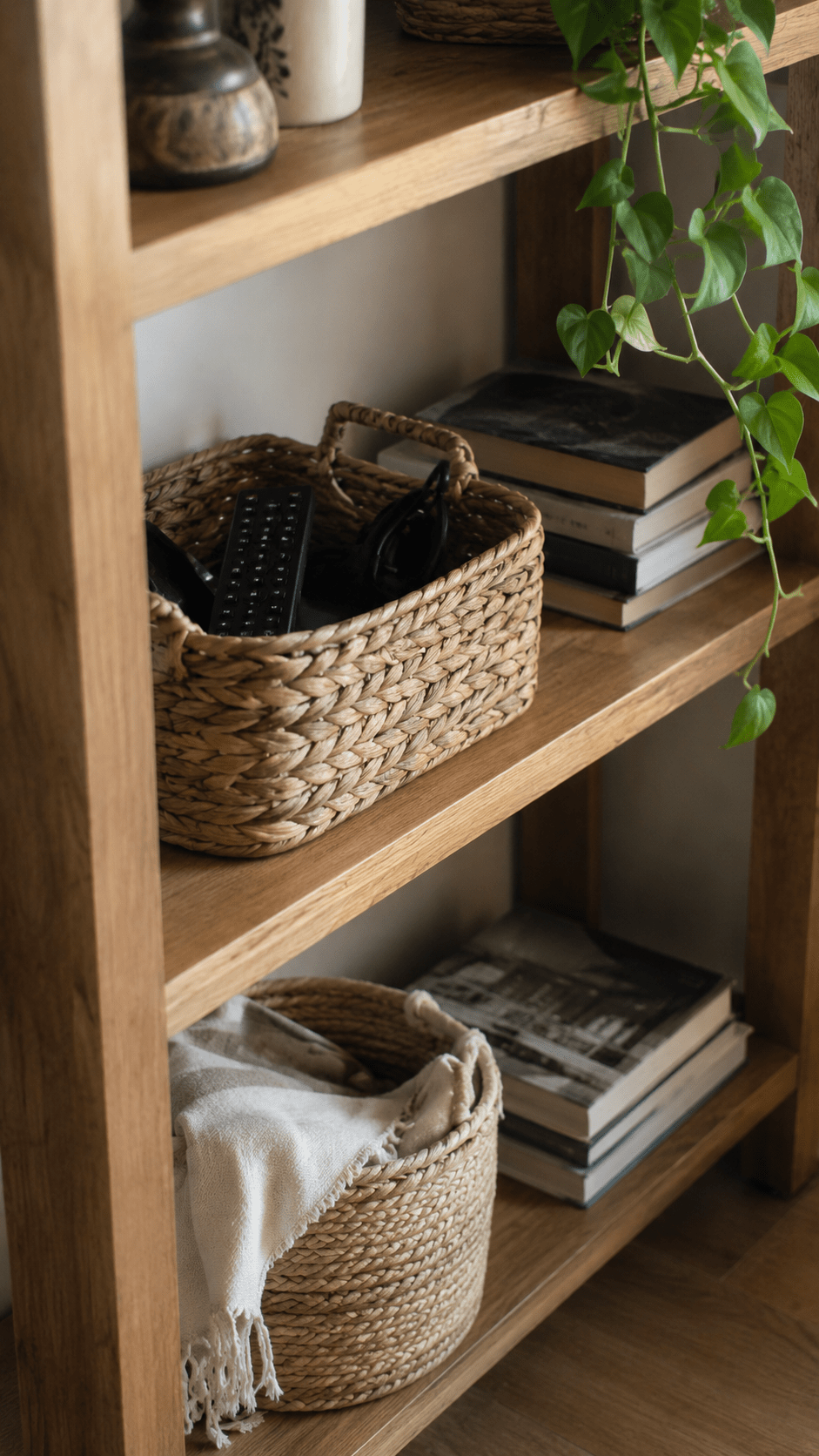
Add Woven Baskets for Soft Texture
A woven basket on an open shelf adds texture and warmth while also giving you a place to tuck away smaller clutter, like remotes or charging cables, without it looking like storage. This pairs especially well with wood shelving and earthy, natural colour palettes.

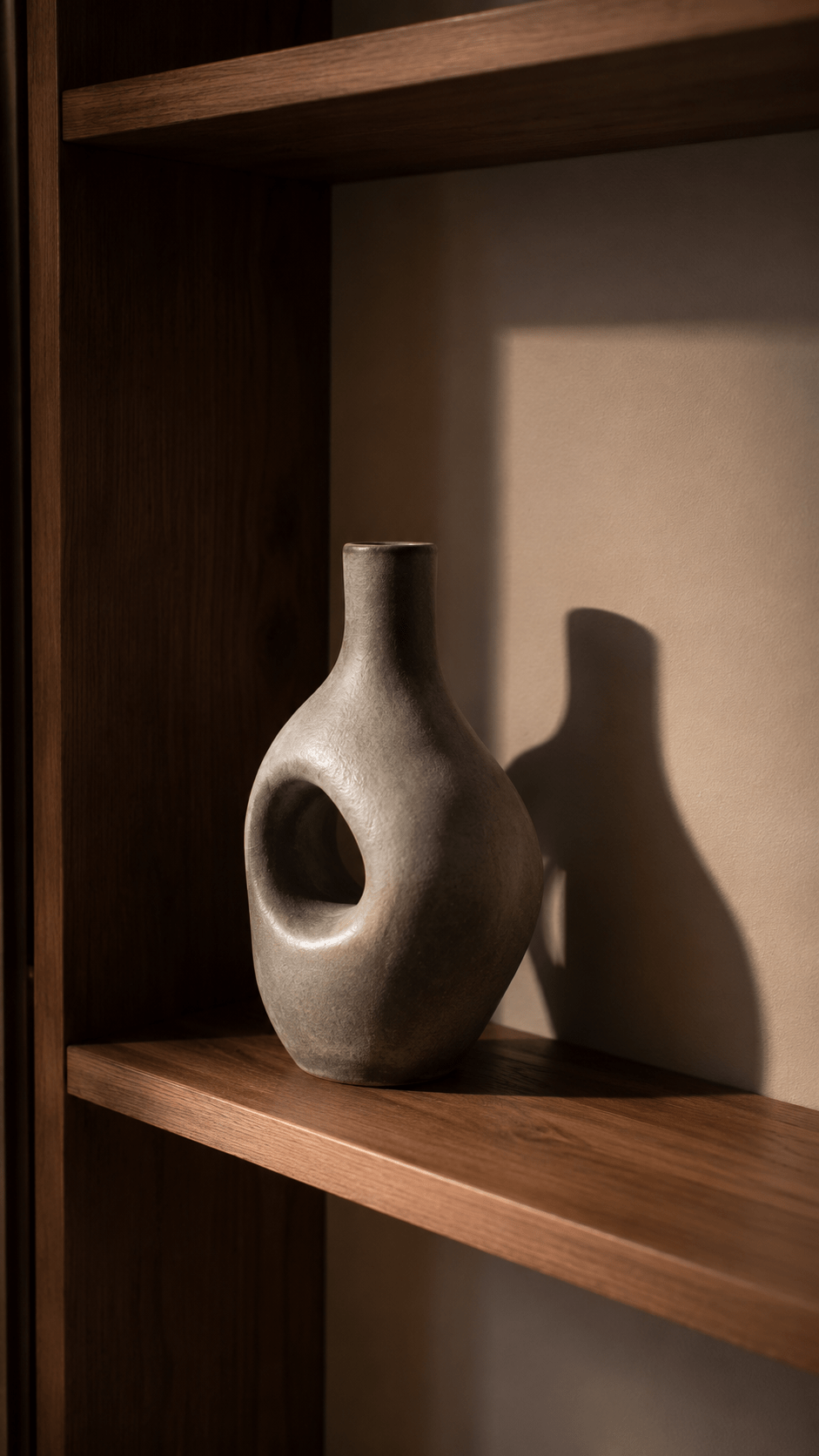
Use Sculptural Objects as Anchors
A single sculptural piece, like a ceramic vase with an unusual shape or a small abstract object, can anchor an entire shelf, giving everything else around it a clear visual starting point. Place it slightly off-center rather than dead-center for a more natural, less staged feel.

Quick Tips Before You Start
A few small decisions make a bigger difference than people expect:
- Height matters. Wall shelves typically sit best between 48 and 60 inches from the floor for comfortable viewing and reach.
- Weight check first. Live-edge wood and epoxy resin shelves hold up well under heavier items like stacked books, more so than thin laminate options.
- Light it last. Add any hidden LED strips after the shelf is mounted and styled, so you can adjust placement based on where shadows actually fall.
A Few Final Thoughts
The shelves that get noticed aren’t usually the most expensive ones. They’re the ones that look like someone actually uses them, rearranges them, and adds to them over time.
If you’re starting from a completely bare wall, don’t try to finish it all in one weekend. Add a shelf, live with it for a few weeks, then adjust. The best version of a styled shelf is rarely the first version.
Frequently Asked Questions
How high should living room shelves be mounted?
Most wall shelves work best between 48 and 60 inches from the floor, which keeps items visible and within easy reach without looking too low or too high.
What is “book drenching” in 2026 interior design?
Book drenching refers to covering an entire wall, or sometimes an entire room, in built-in shelving filled with books, turning a living room into something closer to a home library.
Are floating shelves strong enough for books?
Yes, as long as they’re properly anchored into wall studs and rated for the weight. Solid wood and metal-bracketed shelves generally hold books better than thin decorative shelves not designed for heavy loads.
How do I style open shelves without it looking cluttered?
Leave visible space between objects, mix item heights, and avoid filling every inch. A shelf with five well-placed items usually looks better than one with fifteen crowded together.
What’s a good alternative to a traditional bookshelf?
Floating shelves, picture ledges, or built-in niches around a fireplace or TV all work as alternatives, offering display space without the bulk of a freestanding bookshelf.
Should shelving match the rest of my furniture?
Not necessarily. Many of the most appealing 2026 shelving looks mix materials and tones intentionally, like wood shelves with metal brackets, rather than matching everything exactly.
